


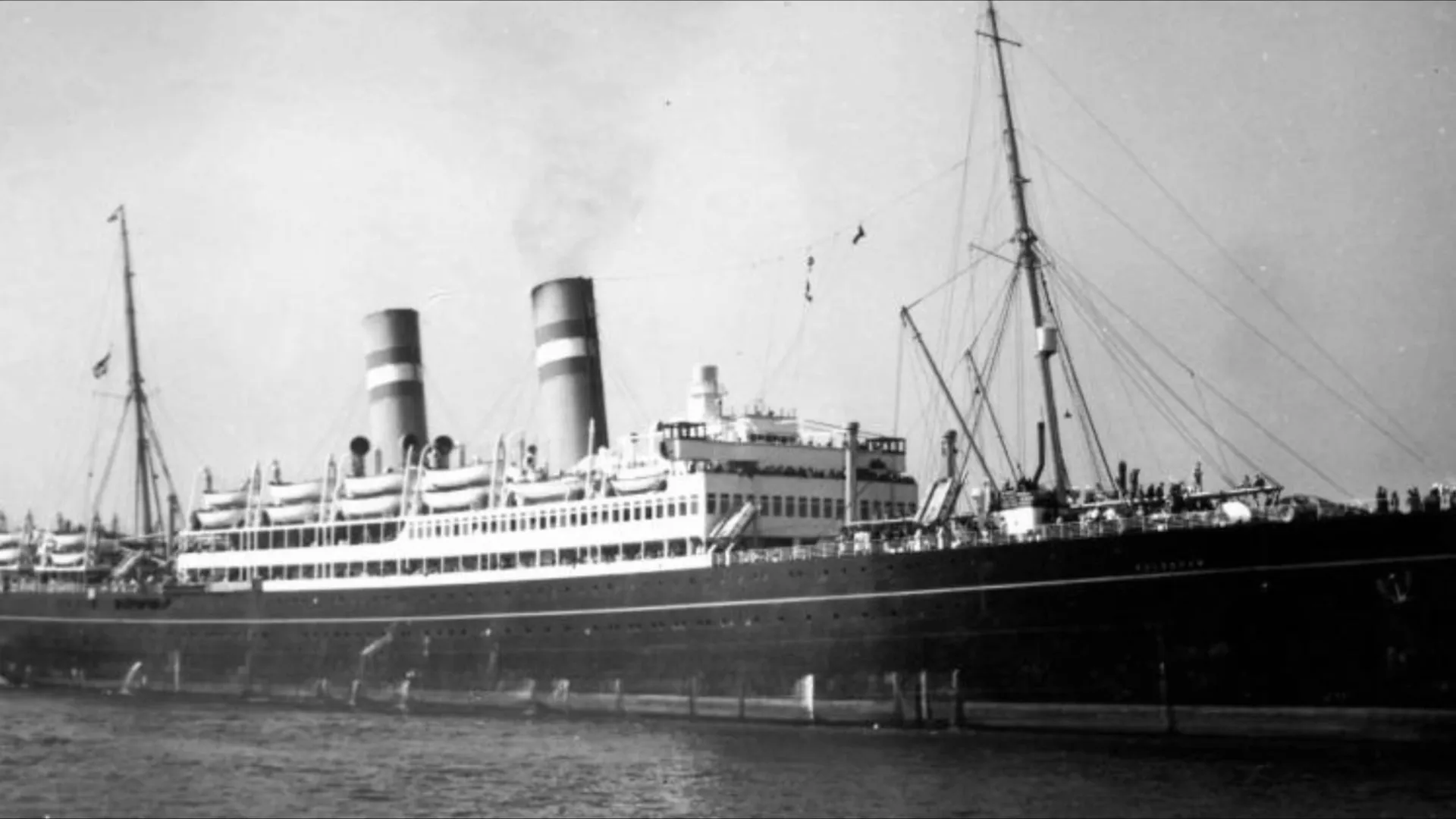
Join me as we delve into the incredible journey of the SS Volendam, a majestic ocean liner that transformed from a symbol of 1920s luxury to a vital transport vessel during World War II. Discover her remarkable story, marked by heroism and resilience, as we explore her construction, service, and legacy.
Table of Contents
Introduction
Welcome to the fascinating saga of the SS Volendam, a ship that not only epitomized the grandeur of early 20th-century ocean travel but also played a crucial role during tumultuous times. Built by the esteemed Harland and Wolff shipyard, the Volendam was a marvel of engineering and design, boasting luxurious accommodations and advanced technology for her era. Yet, her story extends far beyond her majestic stature and elegant features. As we navigate through her history, we will uncover her transformation from a lavish ocean liner to a vital wartime vessel, highlighting the unique chapters that shaped her legacy.
Construction of the Volendam
The SS Volendam was constructed during a period of intense competition among ocean liners, where speed and luxury were paramount. Launched on July 6, 1922, she was the pride of the Holland America Line, boasting a gross tonnage of 15,434 tons. Designed to accommodate 899 passengers across various classes, the ship’s layout was meticulously crafted to enhance the experience of her guests.
Her engineering was equally impressive, powered by two screws and four turbines—two high pressure and two low pressure. This arrangement allowed the Volendam to achieve a cruising speed of 15 knots, making her one of the fastest liners of her time. The use of oil-fueled water tube boilers was a cutting-edge innovation that underscored her modern design.
Early Years of Service
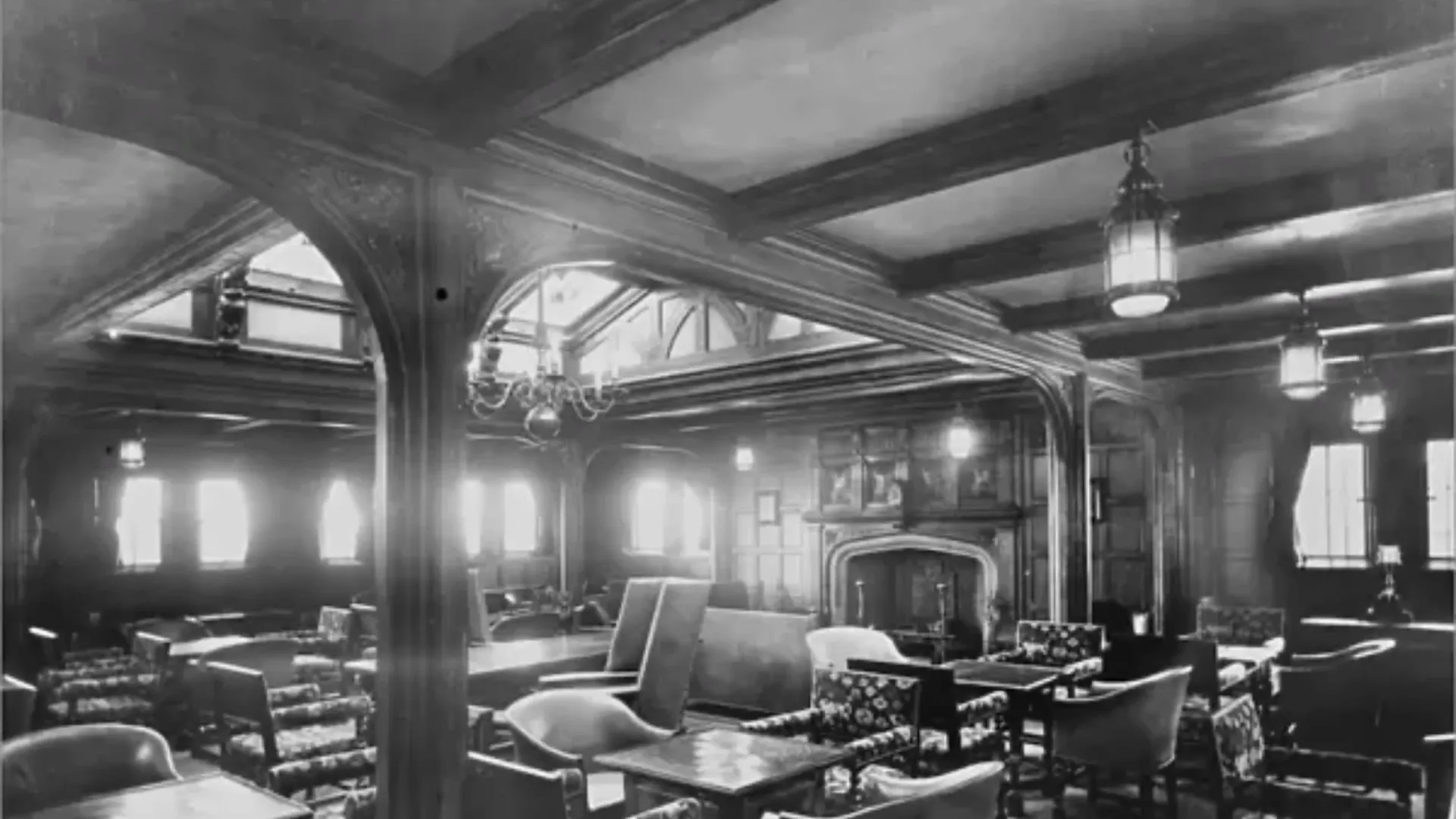
Upon her maiden voyage on November 4, 1922, the Volendam quickly established herself as a favorite among transatlantic travelers. She made a memorable first impression, carrying 750 passengers from Rotterdam to Hoboken, with stops in Boulogne and Plymouth. The ship was equipped with several public spaces, including an elegant smoking room adorned with oak paneling and a cozy fireplace, where passengers could relax and enjoy the ocean breeze.
Her early years were marked by a series of successful voyages, including a notable rescue operation in March 1926, when she aided a schooner adrift for 77 days. This act of seamanship was a testament to the crew’s dedication and skill, further enhancing the ship’s reputation.
Impact of the Great Depression
The onset of the Great Depression in 1929 posed significant challenges for the shipping industry, and the SS Volendam was not immune to its effects. As global trade and travel plummeted, the Holland America Line had to adapt its fare structure to attract passengers. By December 1930, the fare system had been simplified, resulting in substantial reductions that made travel more accessible during these difficult times.
Despite the economic downturn, the Volendam continued to operate, albeit with altered itineraries and reduced passenger capacities. Her ability to navigate these turbulent waters demonstrated the resilience of both the vessel and her operators.
Gold Transport Operations
In a remarkable twist of fate, the SS Volendam was repurposed for transporting gold during the early 1930s. On October 3, 1931, she embarked on a significant mission, carrying $10 million in gold to banks in Amsterdam. This operation highlighted the ship’s versatility and importance during an era when financial security was paramount.
The Volendam’s role as a gold transport vessel continued, further solidifying her place in maritime history. These voyages were not only crucial for the economies involved but also showcased the trust placed in the ship and her crew during a time of uncertainty.
Rotterdam Rescue Mission
One of the defining moments in the SS Volendam’s history occurred on October 1, 1935, when she was called upon to assist the Rotterdam, which had run aground during a hurricane in Jamaica. The Volendam swiftly set sail to Kingston, arriving to rescue 350 stranded passengers and crew members. This mission was an extraordinary display of maritime solidarity and highlighted the ship’s capability in crisis situations.
The successful rescue not only saved lives but also enhanced the Volendam’s reputation as a reliable and brave vessel, further cementing her legacy in the annals of maritime history.
Cabin Class Experience
The experience aboard the SS Volendam was nothing short of luxurious, especially in her first-class accommodations. Passengers enjoyed a range of amenities that were considered cutting-edge at the time, including control over heating and ventilation in their cabins—a notable luxury for the 1920s.
Dining aboard the Volendam was a grand affair, with exquisite cuisine served in elegantly designed dining saloons. The atmosphere was enhanced by the ship’s art deco styling, which provided an inviting and sophisticated environment for guests to enjoy their meals and socialize.
Inconsistent Schedules Explained
Throughout her service, the Volendam did not always adhere to a consistent schedule. Her itineraries often fluctuated between transatlantic crossings and cruise excursions, adapting to the needs of the market and the demands of her passengers. For instance, in 1937, the ship alternated between winter cruises and regular transatlantic services, showcasing her versatility.
This adaptability was crucial during the changing tides of the shipping industry, as it allowed the Volendam to maintain a steady stream of passengers while navigating the complexities of the economic landscape of the time.
Ship Refurbishments Overview
The SS Volendam underwent several refurbishments throughout her career to keep her accommodations modern and appealing. In 1937, significant upgrades were made, including the removal of upper berths in third-class cabins and the installation of new wardrobes and furnishings. These enhancements ensured that the ship remained competitive and comfortable for her guests.
Public areas were also refreshed, with new carpeting and updated dining saloons that featured smaller tables and improved seating arrangements. This commitment to maintaining high standards of comfort and luxury was essential in retaining the loyalty of her passengers.
Bermuda Incident Details
In May 1939, the Volendam found herself embroiled in an unfortunate incident while en route to Bermuda. After calling at Nassau, the vessel struck a submerged object, damaging one of her propellers. This mishap forced the captain to cancel the planned stop in Bermuda and return directly to Hoboken for repairs.
The incident highlighted the inherent risks of maritime travel, as well as the importance of swift decision-making in ensuring the safety of passengers and crew. Despite the setback, the Volendam managed to maintain her reputation for reliability and service.
Antwerp Service Highlights
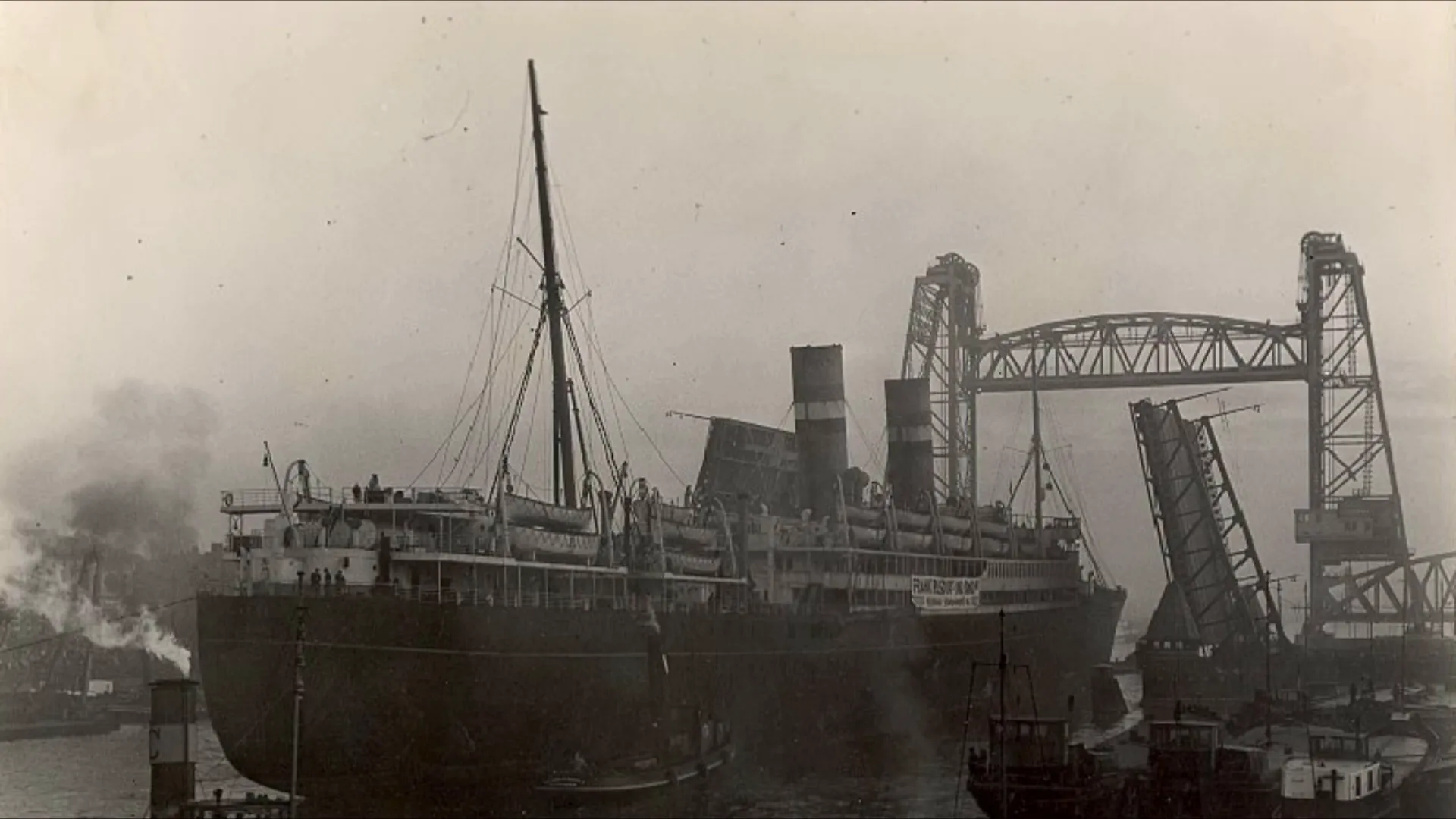
As the world edged closer to the outbreak of World War II, the SS Volendam’s service underwent further transformations. In June 1939, the Holland America Line announced plans to increase the frequency of services between Antwerp and Hoboken, incorporating the Volendam into this crucial route. This strategic move was designed to bolster transatlantic travel at a time when tensions were rising in Europe.
The Volendam’s first voyage from Antwerp was scheduled for July 29, 1939, marking a new chapter in her storied career. This period of service would not only showcase her enduring legacy as a passenger vessel but also set the stage for her vital role during the impending conflict.
The Volendam During World War II
The SS Volendam’s journey through World War II was fraught with challenges and remarkable tales of endurance. Initially, after the outbreak of hostilities in Europe, the Volendam continued her voyages, but soon found herself amidst the complexities of wartime navigation and international neutrality. In September 1939, she departed from Antwerp carrying 845 passengers, including a significant number of US citizens, and was soon embroiled in the tensions of the time.
As the ship sailed, passengers experienced the unique atmosphere of a neutral vessel amidst a world at war. Captain Jan Webster’s response to a complaint about a controversial lecture delivered onboard exemplified the delicate balance the Volendam maintained during these tumultuous times. He reminded everyone aboard of their neutrality, stating, “This ship is Holland territory. Holland is neutral in the present war.” Such moments highlighted the ship’s role not only as a means of transport but as a microcosm of international relations.
The Volendam in WWII Operations
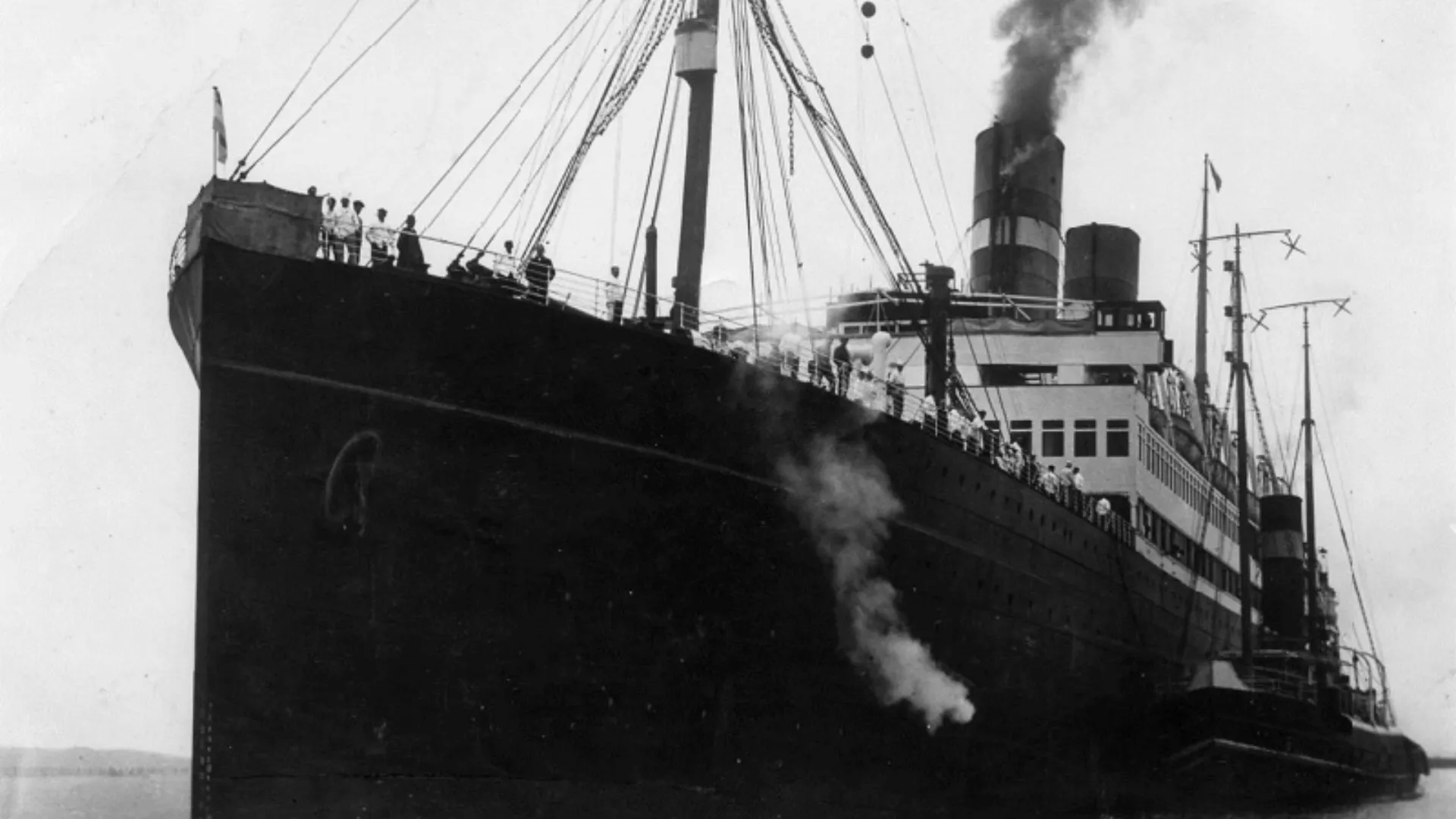
In late 1939 and early 1940, as part of the Allied blockade of Germany, the Volendam faced frequent detentions by the Royal Navy during her crossings between Rotterdam and Hoboken. These detentions extended her voyages significantly, often lasting over two months. Despite these challenges, the Volendam remained steadfast, transporting refugees and mail, playing a vital role in the wartime effort.
During her return voyage in December 1939, the ship was delayed for an entire week due to detentions. By February 1940, she was tasked with carrying 535 passengers, many of whom were fleeing the escalating conflict in Europe. Each journey underscored the ship’s resilience and adaptability in the face of adversity.
The Sinking of the Volendam
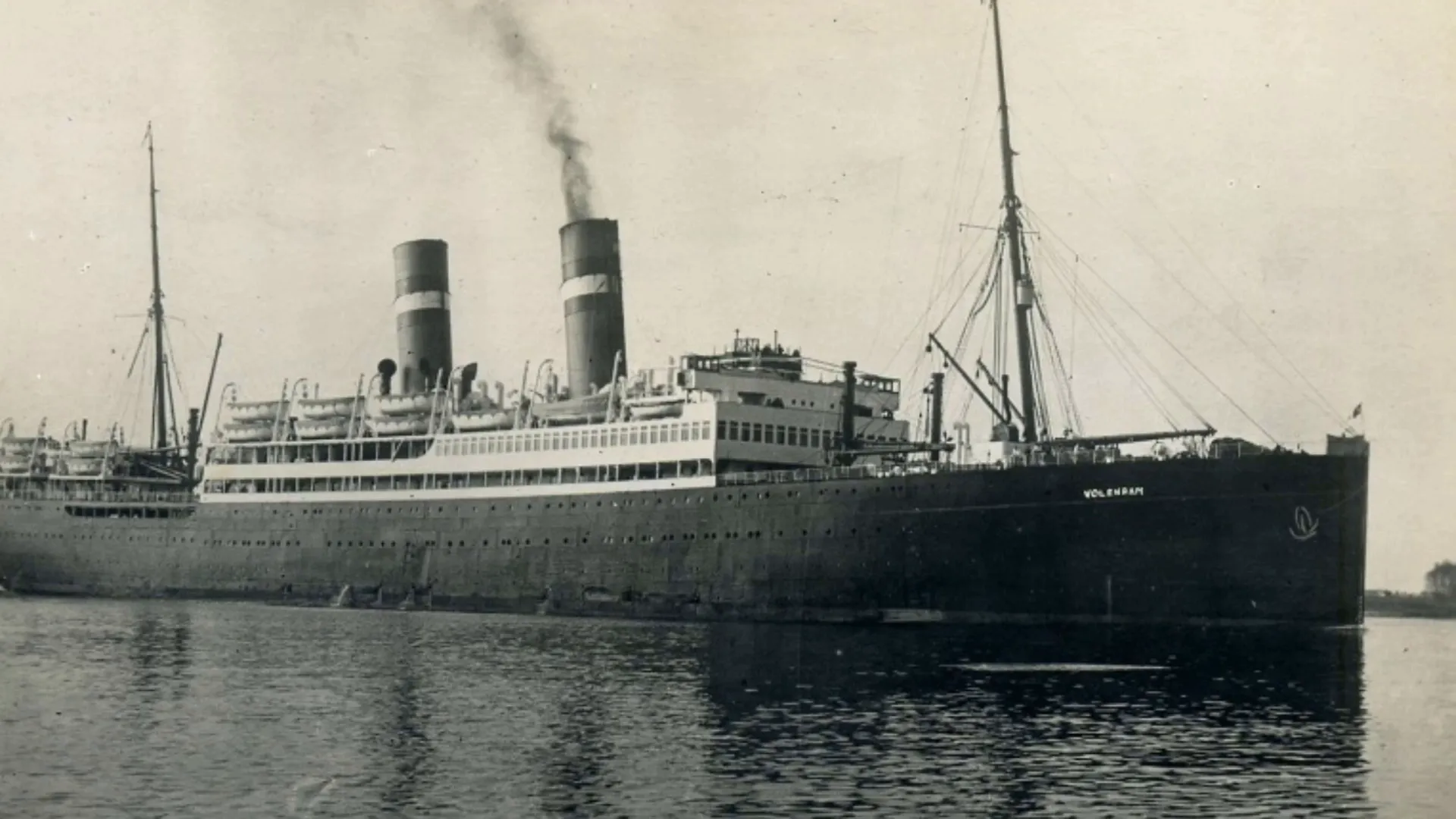
The most dramatic chapter in the Volendam’s wartime saga transpired on August 31, 1940. While sailing with convoy OB 205, the ship was struck by a torpedo fired by the U-boat U-60. The impact created a gaping hole in her hull, flooding the first two holds and forcing Captain Webster to order an immediate evacuation.
In a tense atmosphere, all eighteen lifeboats were launched. Remarkably, the evacuation was executed with a high degree of organisation, leading to the safe escape of most passengers and crew. Tragically, one crew member lost his life during the evacuation, underscoring the perilous nature of maritime warfare.
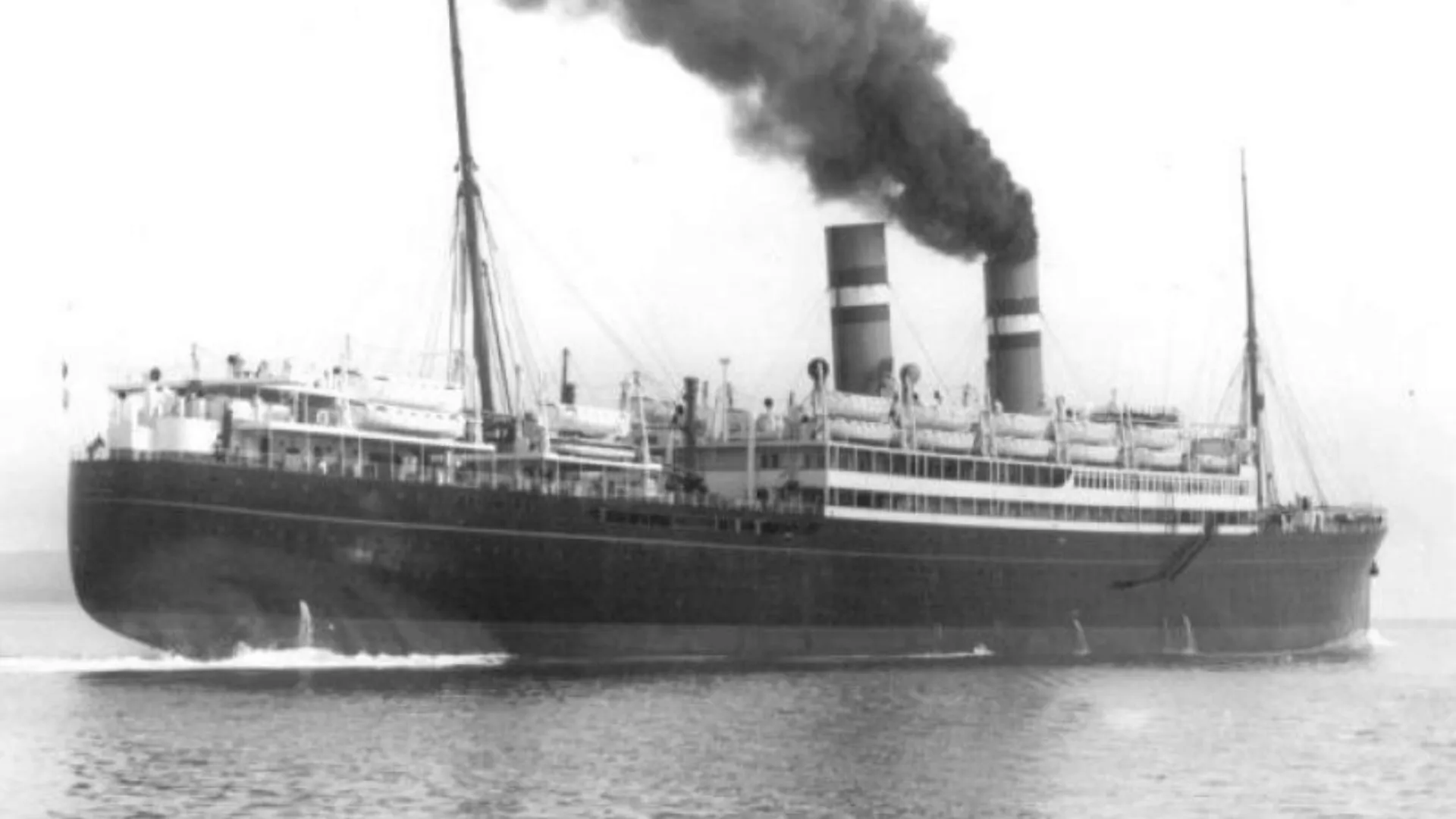
The Volendam as a Troopship
Following her harrowing escape from sinking, the Volendam underwent repairs and was converted into a troopship capable of carrying 3,000 soldiers. The transition marked a new phase in her storied career, as she became an essential asset for the Allied forces. Her first mission as a troopship took her to the Firth of Clyde and then to allied-occupied Iceland in July 1941.
Throughout her service as a troopship, the Volendam transported troops and supplies, contributing to the war effort in various capacities. Her transformation from a luxurious passenger liner to a military vessel exemplified the adaptability and resilience of maritime assets during wartime.
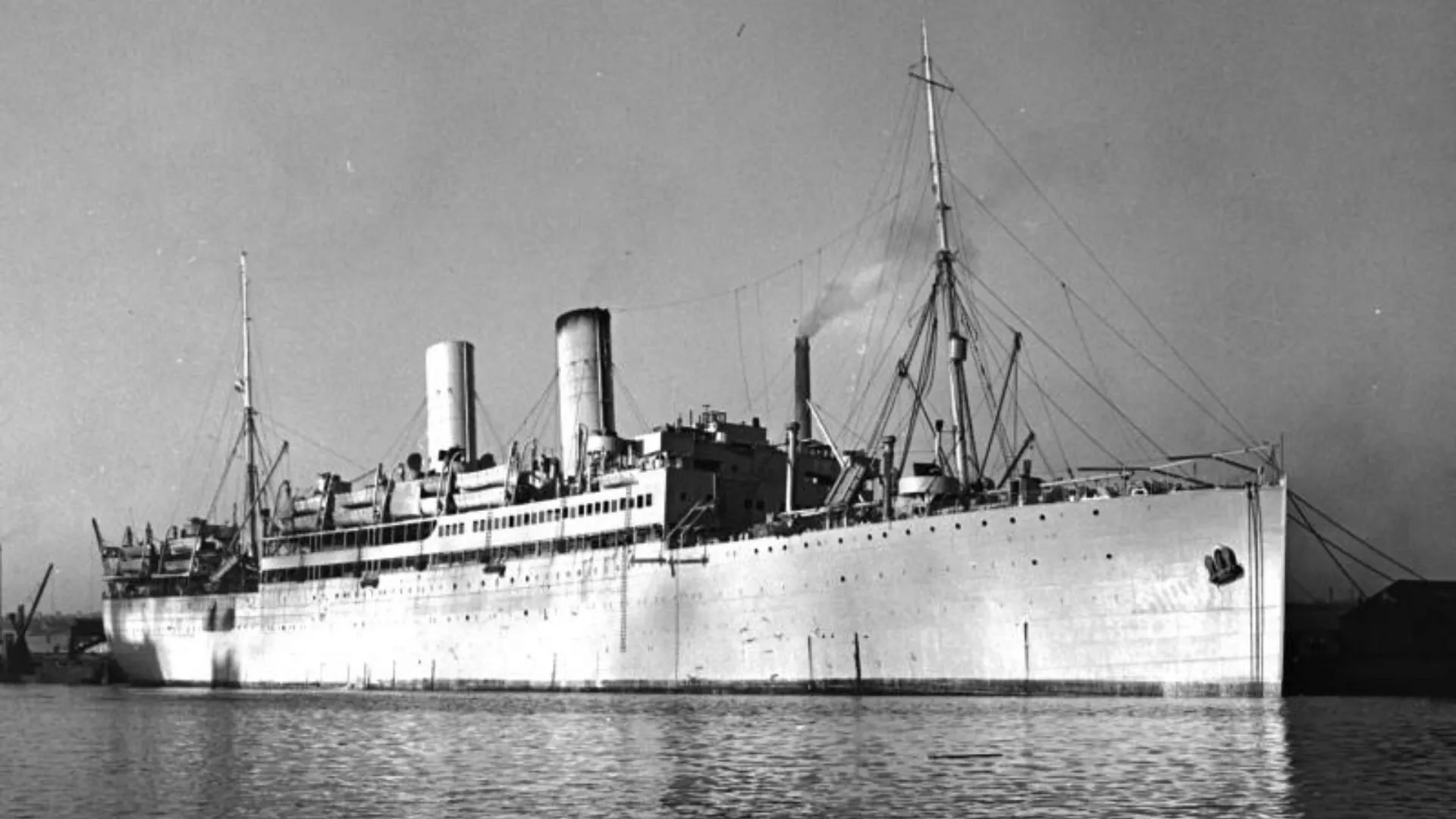
The Volendam as an Immigrant Ship
After the war, the Volendam returned to her roots as a passenger vessel, yet her service took on a new dimension. The ship was refitted to accommodate immigrants, reflecting the post-war migration patterns as people sought new beginnings in distant lands. With dormitory-style berths for 1,500 passengers, the Volendam became a beacon of hope for many seeking a fresh start.
One of her notable voyages included carrying over 2,300 Russian Mennonite emigrants from Bremerhaven to Buenos Aires, where they established a settlement named Colonia Volendam in honour of the ship. This chapter of her life underscored the role of maritime vessels in shaping the destinies of individuals and communities.
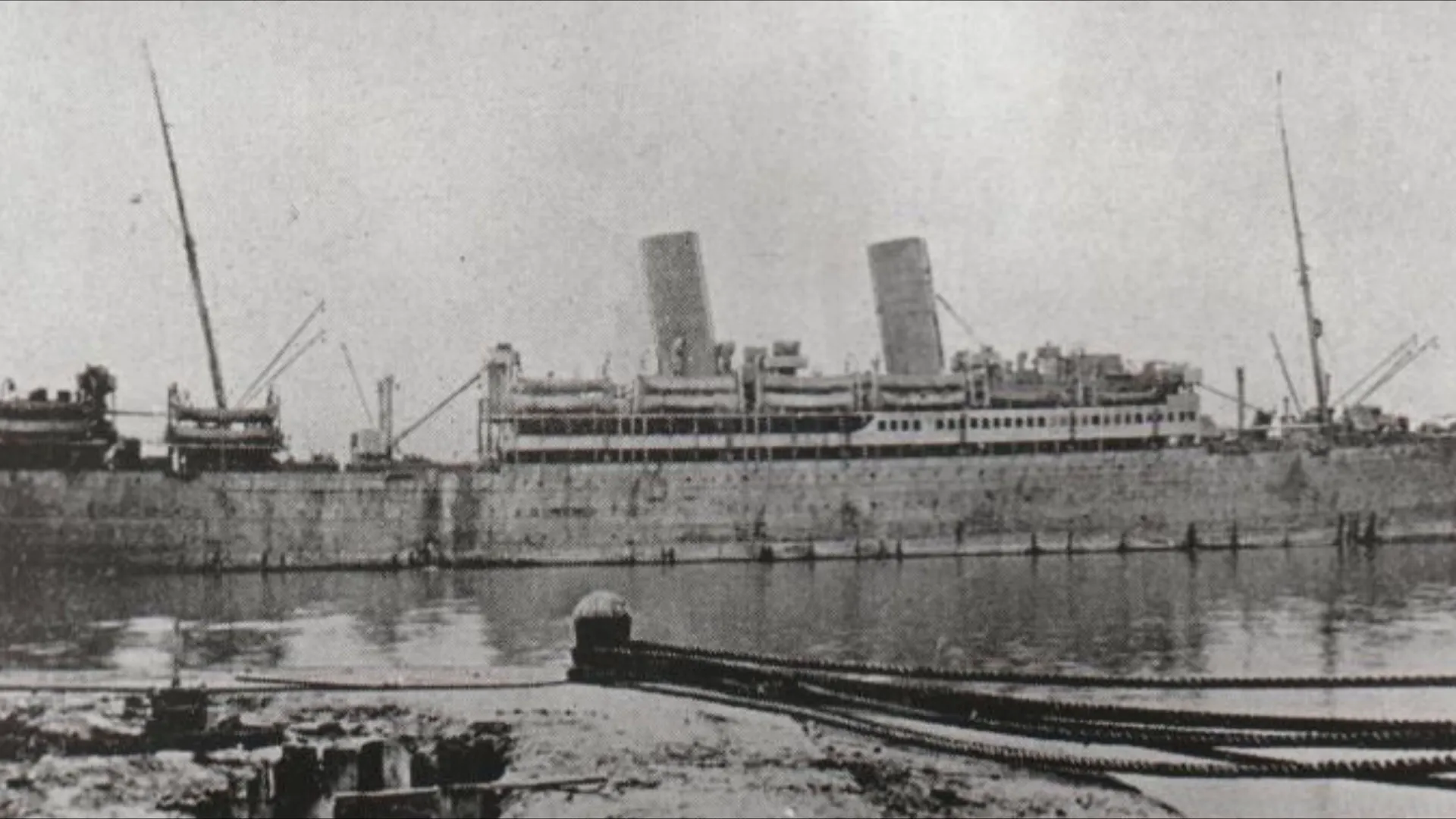
The Volendam as a Passenger Ship
In the years following her transformation into an immigrant ship, the Volendam slowly returned to her former glory as a passenger liner. She resumed operating between Rotterdam and Quebec, re-establishing her place in the transatlantic travel market. In September 1948, she welcomed a large number of students and teachers returning from summer vacations in Europe, marking a significant return to her roots.
The ship’s ability to adapt to changing societal needs—first as a troopship, then as an immigrant vessel, and finally as a passenger liner—demonstrated her enduring legacy in maritime history. The Volendam continued to be a vessel of memories and journeys, connecting people across oceans.
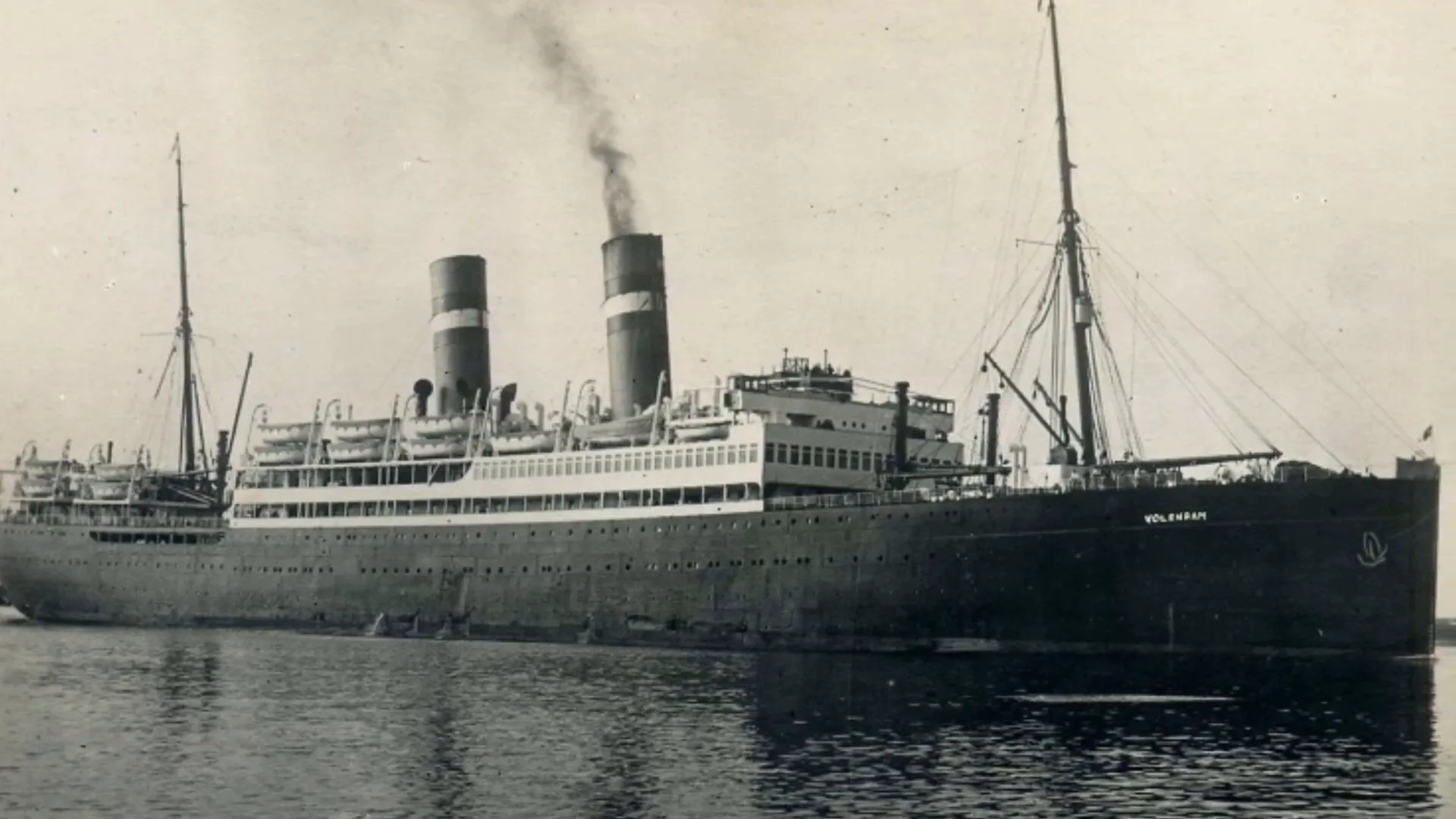
The End of the Volendam Era
Despite her storied past, the Volendam’s time came to a close in November 1951 when she was laid up in Rotterdam. Her final voyages were a bittersweet reminder of the grandeur she once represented. Sold for scrap, she faced an uncertain fate, with some sources noting discrepancies in the exact timing of her sale and dismantling.
Ultimately, the Volendam was dismantled in Hendrik Ido Ambacht, marking the end of an era for a ship that had witnessed the highs of luxury travel and the lows of wartime peril. Her legacy, however, lives on in the hearts of those who sailed her and in the annals of maritime history.
Thank You for Watching
As we reflect on the incredible journey of the SS Volendam, we invite you to consider her legacy. From her luxurious beginnings to her vital wartime service, and her role in shaping the lives of many immigrants, she stands as a testament to the resilience of maritime history.
Final Words and Reflections
The SS Volendam is an enduring symbol of adaptability and hope. Her story reminds us of the interconnectedness of lives across oceans and the remarkable journeys that ships like her undertake. Each voyage tells a story, and the Volendam’s narrative is a tapestry woven with threads of adventure, survival, and new beginnings.
Outro
Thank you for joining us on this voyage through history. The story of the SS Volendam serves as a reminder of the past and the importance of preserving maritime heritage. We hope you enjoyed this exploration of her remarkable life.
FAQ
- What was the original purpose of the SS Volendam? The SS Volendam was originally designed as a luxurious ocean liner for the Holland America Line, catering to transatlantic passengers in the 1920s.
- How did the Volendam serve during World War II? During WWII, the Volendam was converted into a troopship and played a crucial role in transporting soldiers and supplies, while also experiencing a harrowing near-sinking incident.
- What happened to the Volendam after the war? After WWII, the Volendam was refitted as an immigrant ship, carrying many people seeking new beginnings, before eventually being laid up and scrapped in the early 1950s.
- What is the legacy of the SS Volendam? The legacy of the SS Volendam lies in her adaptability and the many lives she touched, from luxury travelers to wartime heroes and hopeful immigrants.


