


The SS Nomadic, a beloved White Star Line tender, has a rich history that spans over a century. From her construction to her current status as a museum ship, this blog delves into the fascinating journey of the SS Nomadic and her vital role in maritime history.
Prefer listening to a podcast about The Story of the SS Nomadic?
Table of Contents
- Introduction to the SS Nomadic
- Construction and Specifications
- Launch and Early Operations
- The Titanic Connection
- The Impact of the Titanic Disaster
- World War I and the Nomadic’s Role
- Transformation into a Mine Sweeper
- The Mine Sweeping Campaigns
- Post-War Adjustments
- The Nomadic’s Role During WWII
- Retirement and Conversion
- The Nomadic’s Rescue and Restoration Efforts
- Recognition and Historic Designation
- Current Status and Visitor Experience
- Personal Reflections on Visiting the Nomadic
- Conclusion
- FAQ About the SS Nomadic
Introduction to the SS Nomadic
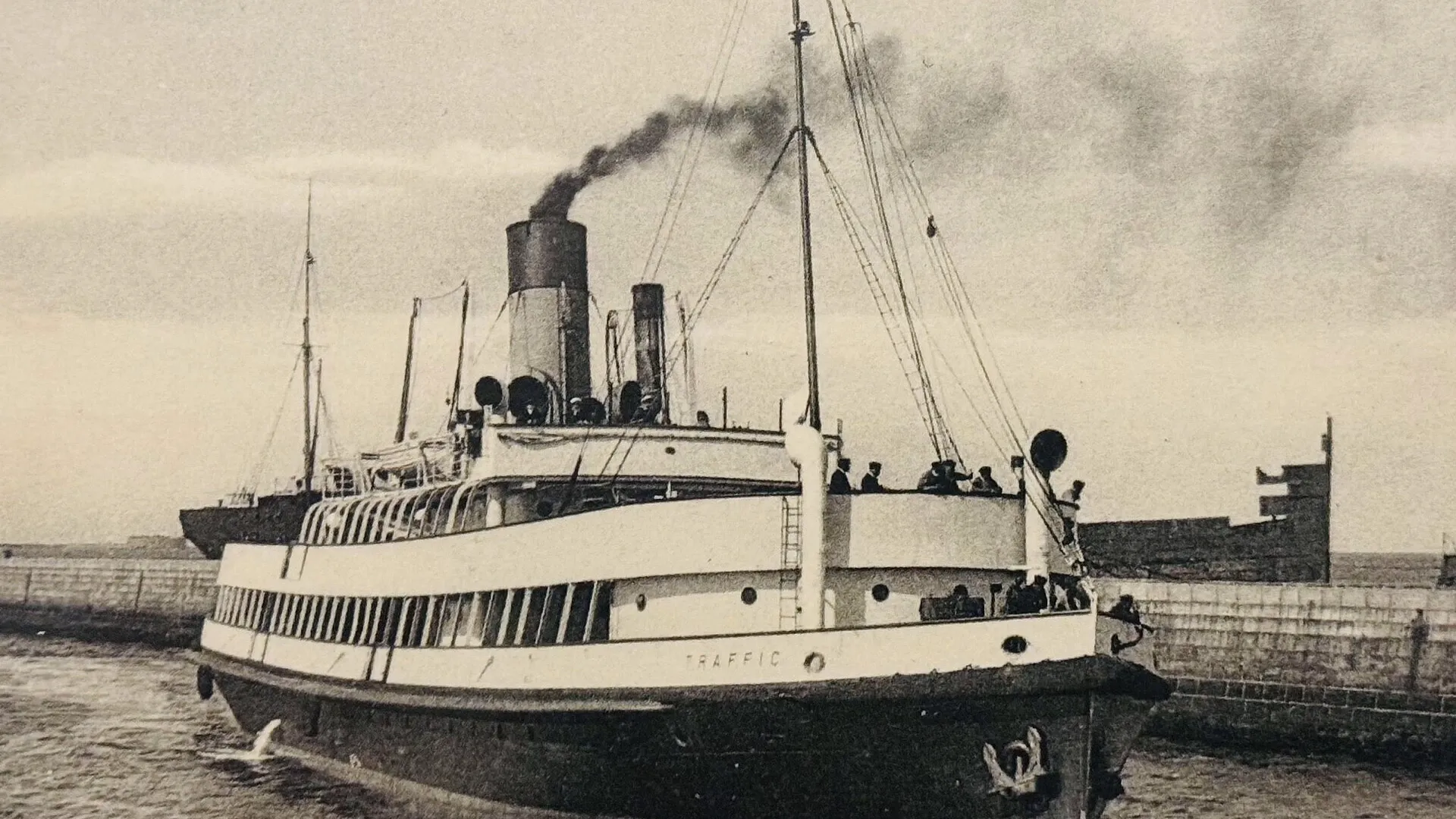
The SS Nomadic, a distinguished tender of the White Star Line, was designed to bridge the gap between the grandeur of ocean liners and the bustling harbors of Europe. Commissioned in 1910, she was the first of her kind, specifically built to assist the Titanic and her sister ship, the RMS Olympic. This innovative vessel played a crucial role in making transatlantic travel accessible and efficient.
Design Purpose and Function
The SS Nomadic was built to accommodate the challenges posed by large ocean liners that could not dock at smaller ports. Her primary function was to ferry passengers, luggage, and cargo between the shore and the anchored ships. This service was vital at ports like Cherbourg, where the Titanic and Olympic frequently stopped during their voyages.
Construction and Specifications
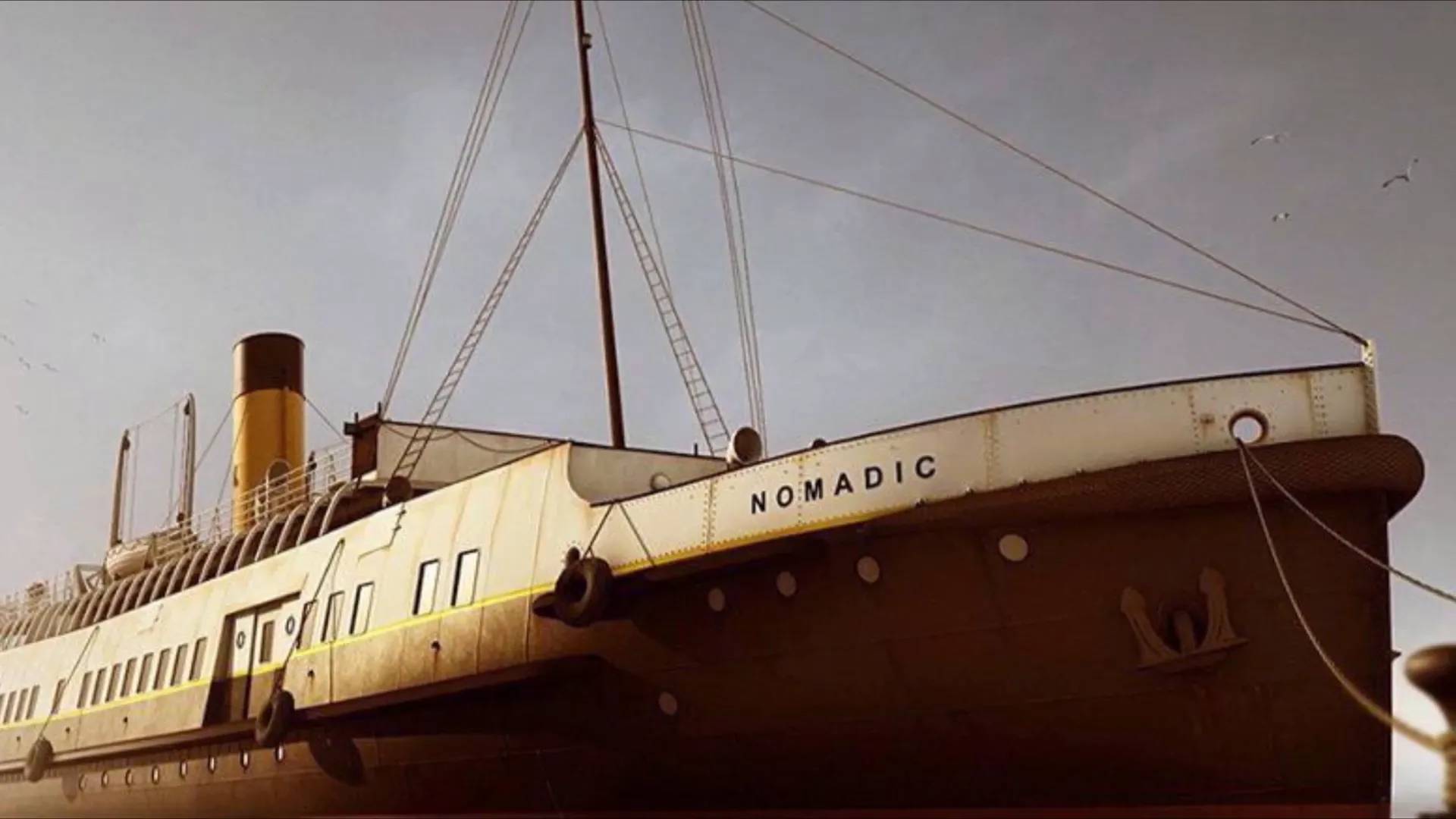
Constructed by the renowned Harland and Wolff shipyard in Belfast, the SS Nomadic was a marvel of engineering for its time. Her specifications reflect a vessel built for both functionality and luxury.
Key Specifications
- Gross Registered Tonnage: 1,273 tons
- Length: 220 feet
- Beam: 37 feet
- Propulsion: Two coal-fired boilers powering compound steam engines
- Service Speed: 12 knots
Luxury Features
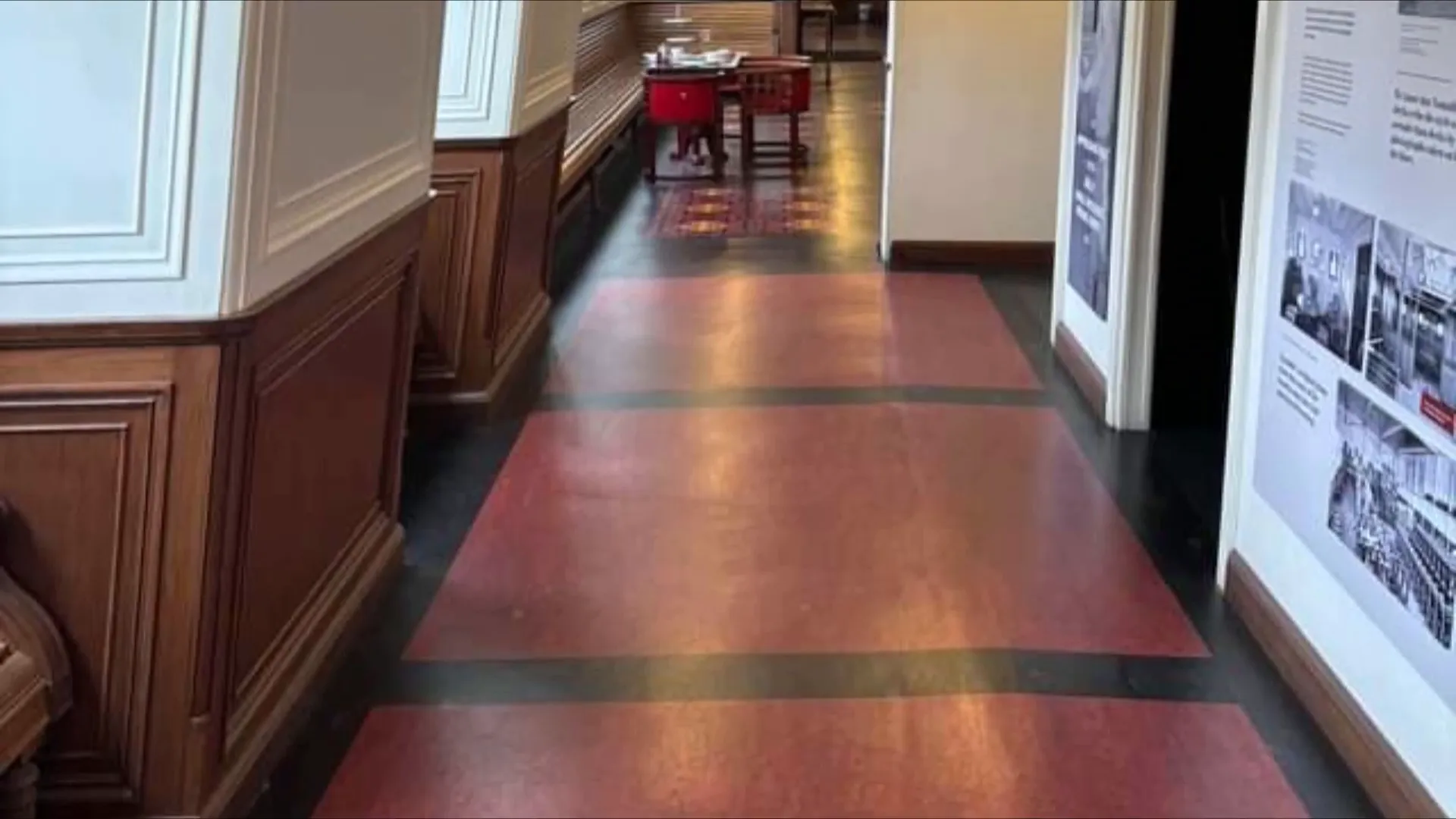
Unlike typical tenders of her era, the SS Nomadic boasted luxurious amenities. It featured spacious lounges, gender-specific bathrooms, and even a buffet area, elevating the passenger experience to match that of the Titanic and Olympic.
Launch and Early Operations
The SS Nomadic was launched on April 25, 1911, and completed her construction by May 27, 1911. As she began her service, she quickly became an integral part of the White Star Line’s operations, particularly in Cherbourg.
First Voyage
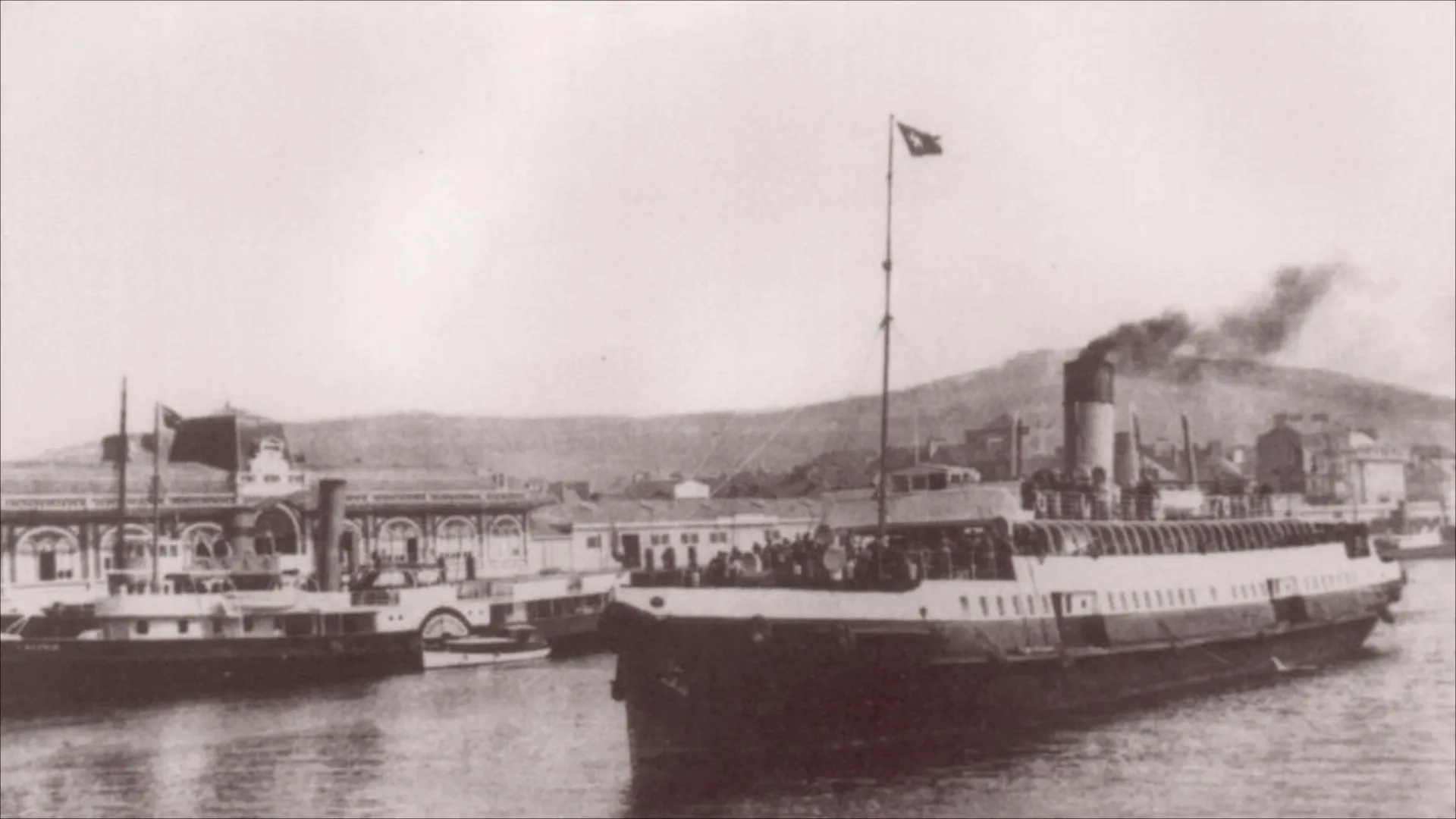
Her first significant operation occurred on April 10, 1912, during the Titanic’s maiden voyage. The Nomadic played a pivotal role by transporting passengers from the shore to the Titanic, facilitating a smooth transition for those boarding the ill-fated ship.
The Titanic Connection
The connection between the SS Nomadic and the RMS Titanic is profound. Both vessels were products of the same era, symbolizing the height of maritime luxury and innovation.
Boarding Experience
On that fateful day, the SS Nomadic welcomed 172 passengers aboard, including some of the wealthiest individuals of the time. This moment marked the beginning of a tragic journey, as many of these passengers would later be lost in the disaster that befell the Titanic.
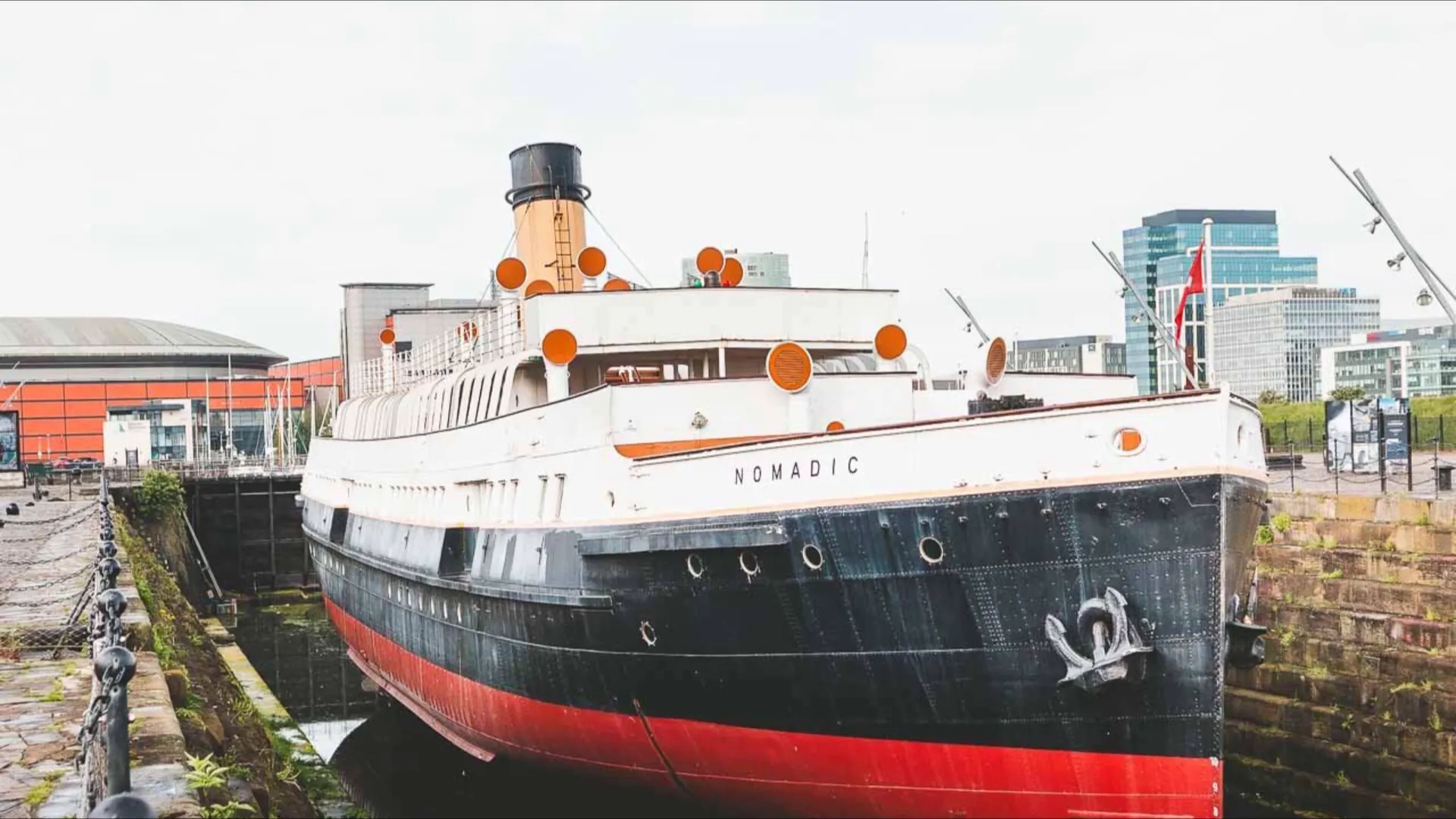
The Impact of the Titanic Disaster
The sinking of the Titanic on April 15, 1912, cast a long shadow over the SS Nomadic. The tragedy not only affected the passengers but also had significant repercussions for maritime operations worldwide.
Community Response
In Cherbourg, flags flew at half-mast as the community mourned the loss of those who had boarded the Titanic from the Nomadic. The disaster served as a stark reminder of the dangers of sea travel, leading to increased scrutiny of maritime safety regulations.
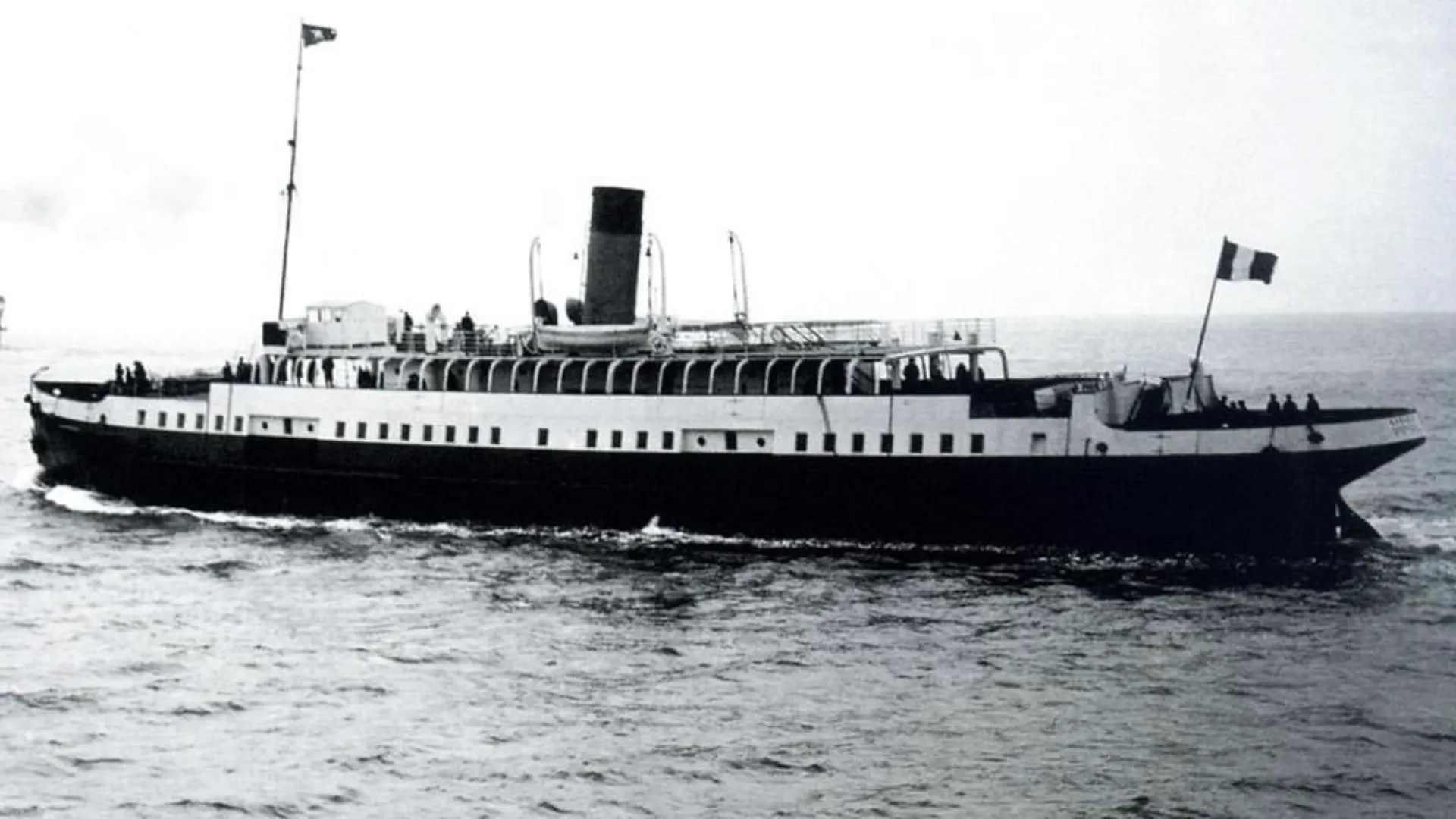
World War I and the Nomadic’s Role
As World War I broke out, the role of the SS Nomadic evolved. Initially serving as a tender for transatlantic liners, she was later requisitioned for wartime efforts.
Transition to Military Use
In 1915, the French Navy began to show interest in the Nomadic, recognizing her potential for auxiliary mine sweeping operations. This marked a significant shift in her purpose from luxury transport to military service, demonstrating her versatility.
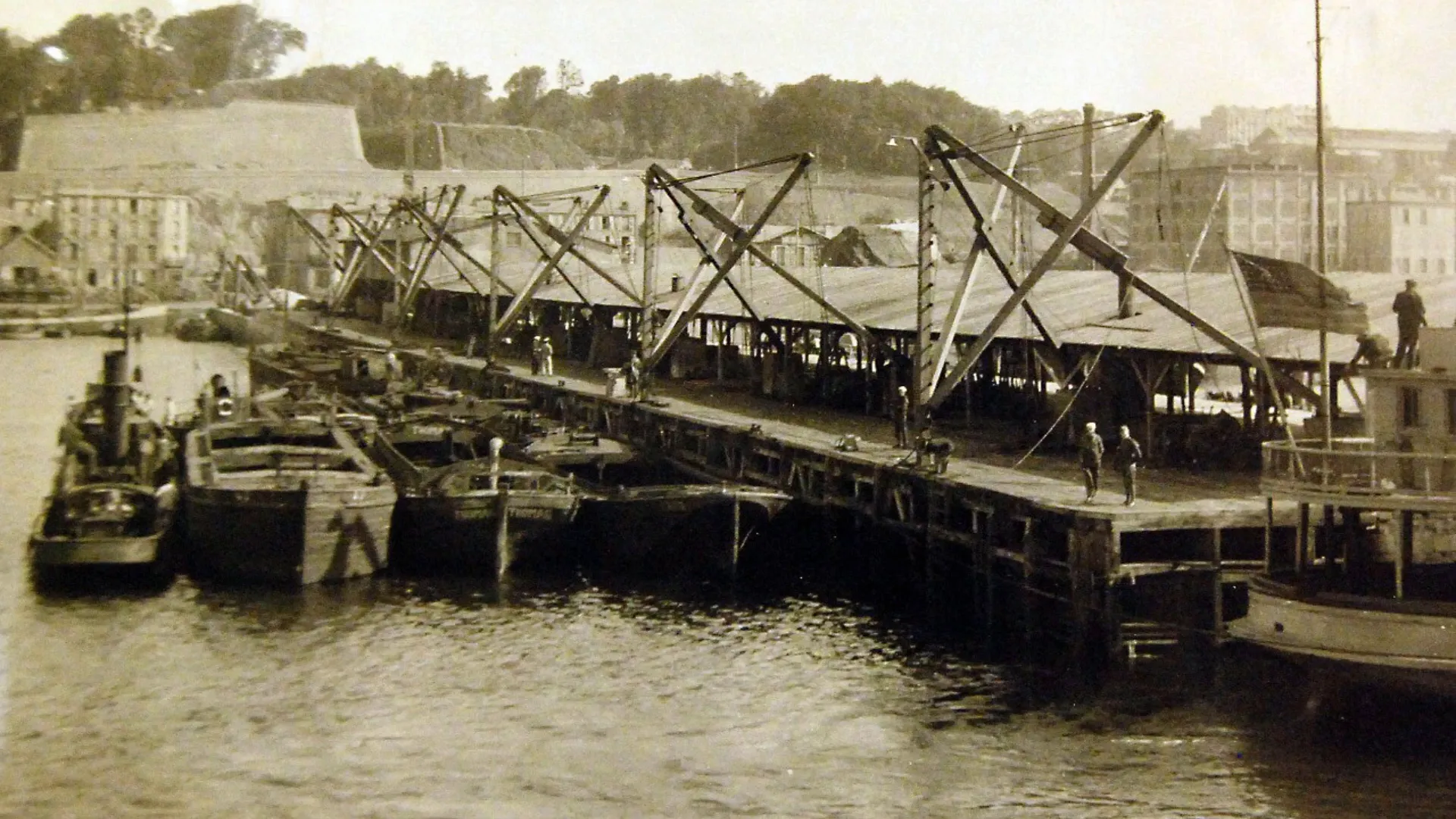
Transformation into a Mine Sweeper
In April 1917, the SS Nomadic underwent a significant transformation. Requisitioned by the French Navy, she was converted from a luxury tender to a mine sweeper. This change required substantial modifications to her structure and equipment.
Modification Details
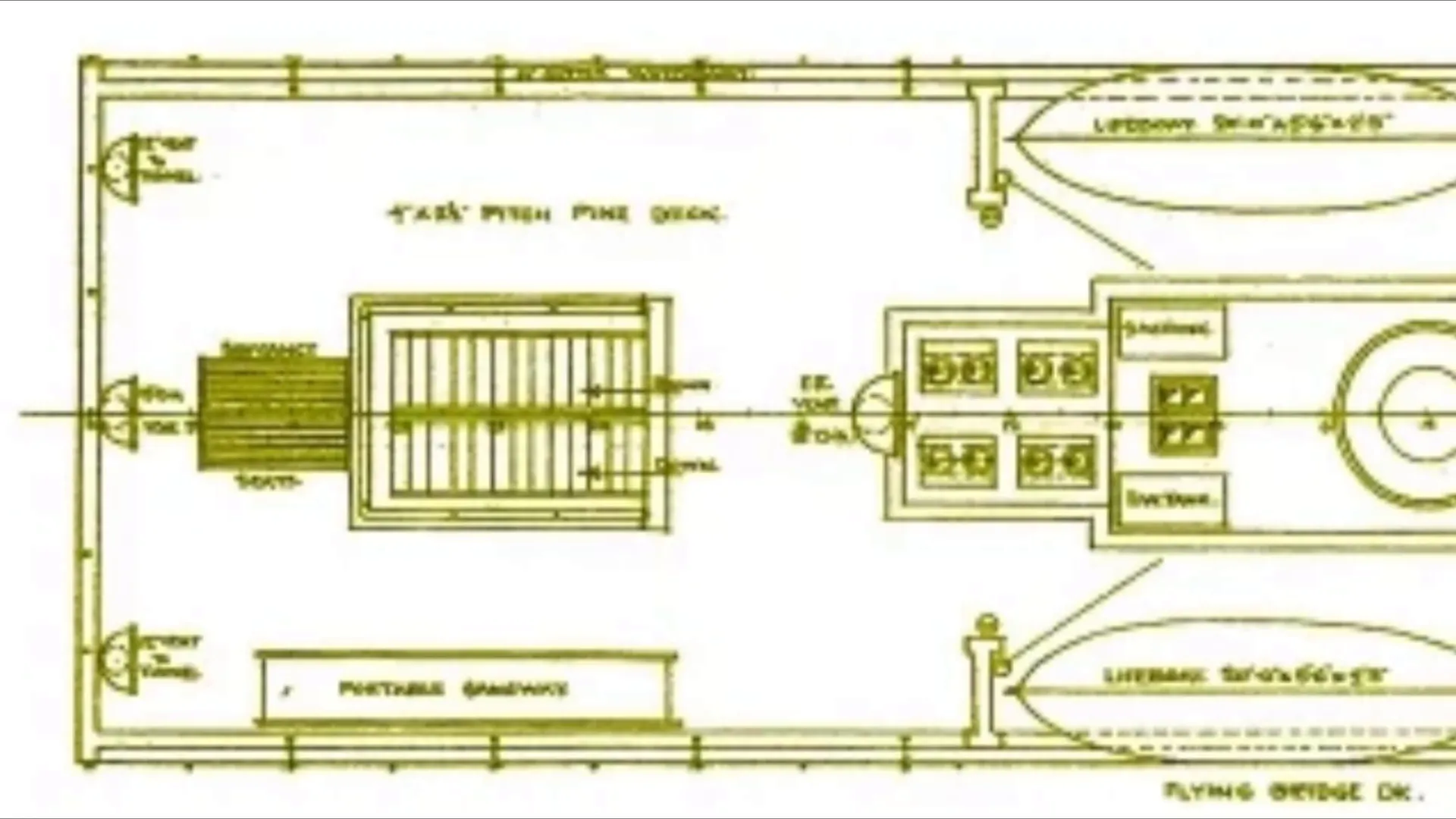
The primary adjustments included installing a sweep winch on the bridge deck. Additionally, a three-roller fairlead was mounted on the stern for better maneuverability. The ship’s average speed was expected to drop from 8 knots to approximately 5 or 6 knots due to these changes.
Challenges Faced
Despite these developments, the Nomadic faced challenges in harsh weather conditions. With a shallow draft of 1.85 meters, she excelled in mine sweeping but was limited in performance during storms.
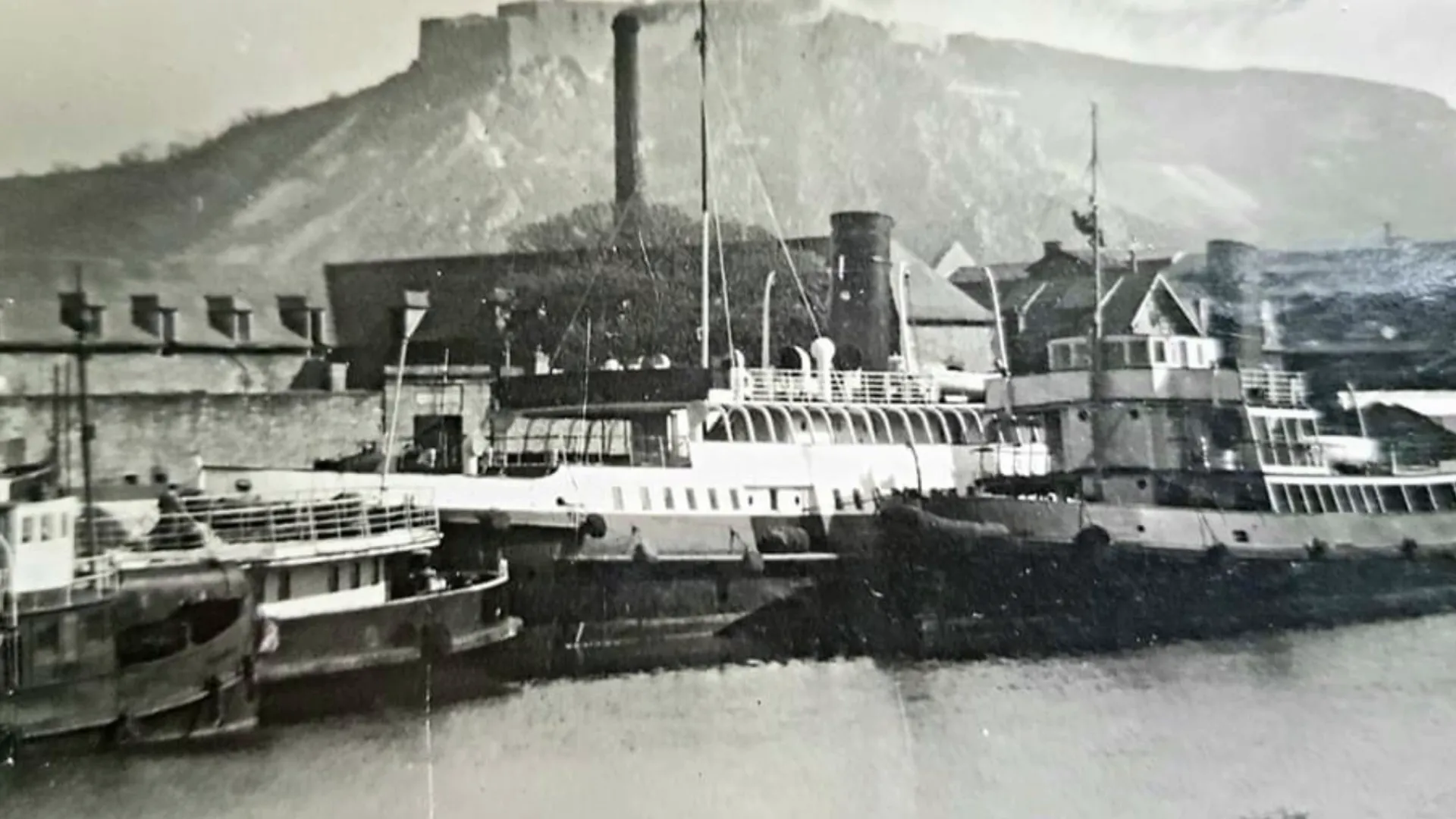
The Mine Sweeping Campaigns
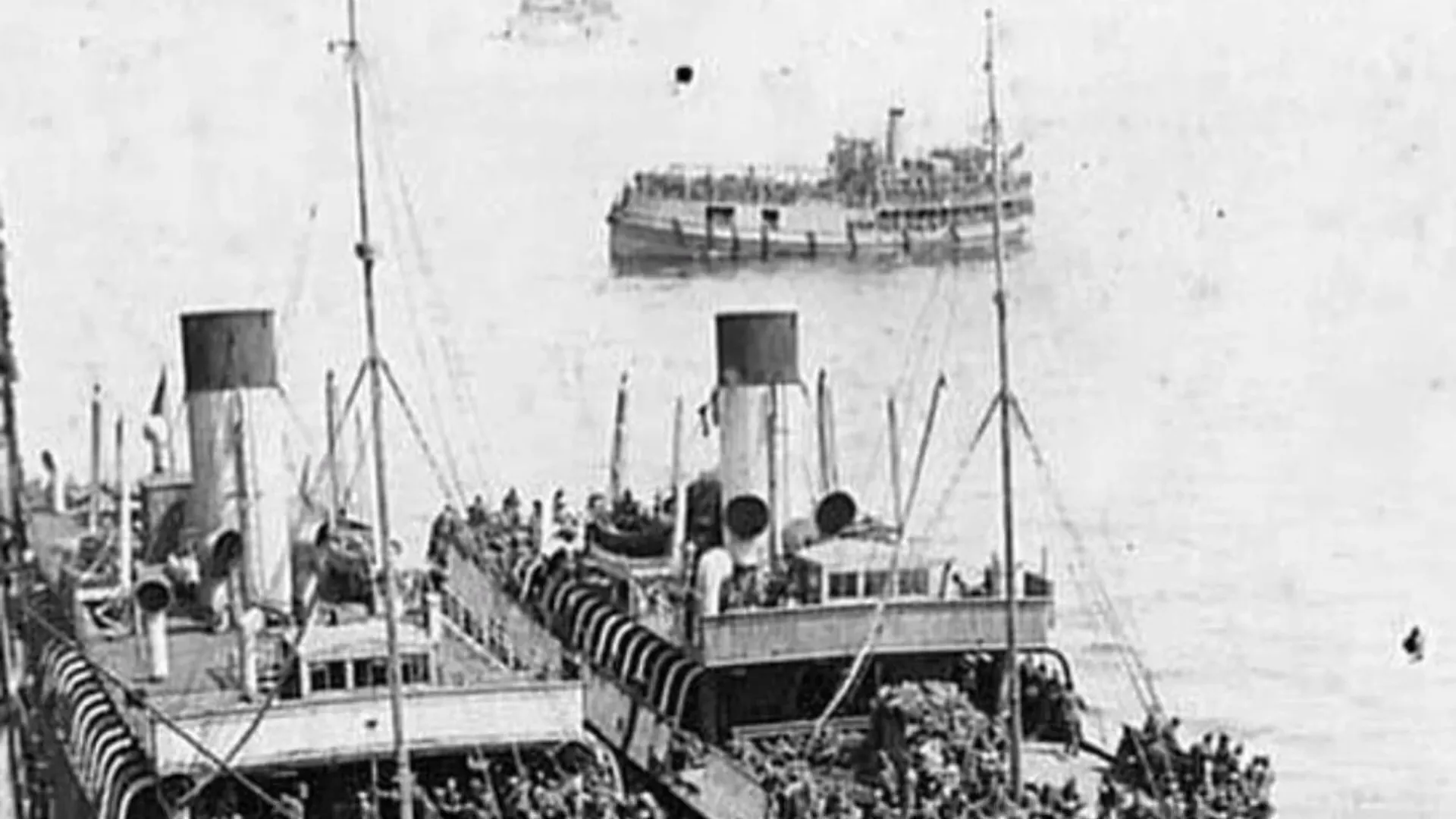
Once operational, the SS Nomadic became part of a larger mine sweeping campaign. Under the command of Lieutenant HRI Duro deonier, she served as the flagship of the Saint Nazaire Mine Sweeper Squadron.
Operational Strategy
The squadron employed tactics that involved multiple passes through known minefields. The aim was to clear the channels, ensuring safe passage for allied ships. The crew quickly adapted to their new roles, marking successes early in their campaign.
Notable Achievements
In her first month of operations, the Nomadic successfully destroyed nine German mines. This achievement was a testament to the crew’s skill and determination, despite facing significant risks.
Post-War Adjustments
After the war ended, the SS Nomadic returned to her original purpose as a tender. However, the maritime landscape had changed, and she faced new challenges in adapting to the post-war era.
Resuming Tendering Services
Following the merger of the White Star Line and Cunard Line in 1934, the Nomadic continued her tendering voyages. The expansion of the Cherbourg port allowed liners to dock directly, reducing the need for her services.
Transition to New Ownership
Eventually, the SS Nomadic was sold to the Cherbourg Tow and Rescue Society and renamed Engineer Menard. This transition marked the beginning of a new chapter in her storied history.
The Nomadic’s Role During WWII
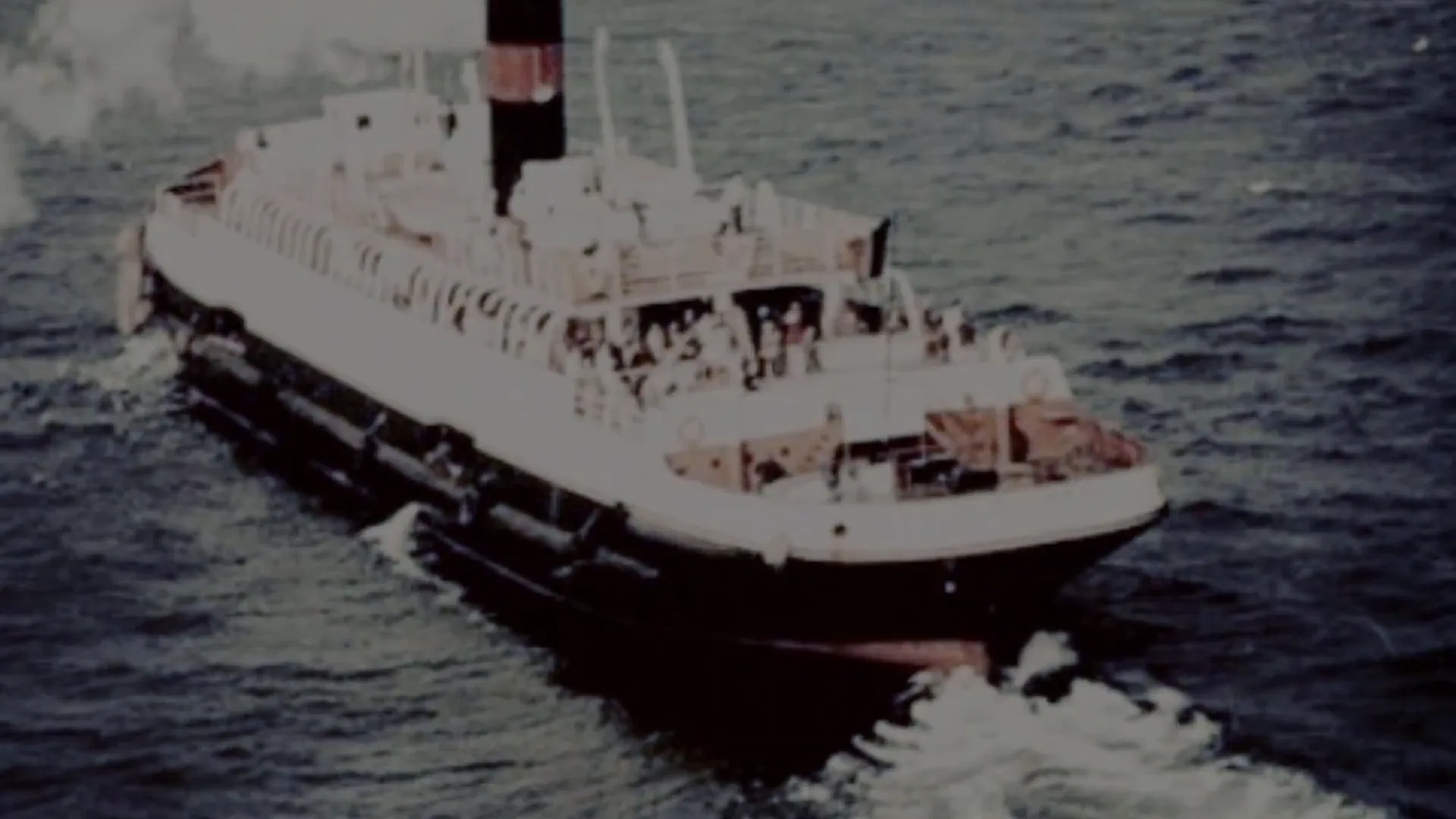
During World War II, the Engineer Menard played a crucial role in the evacuation of Cherbourg. On June 18, 1940, she assisted in moving troops and civilians as the conflict escalated.
Requisition by the Royal Navy
Following her evacuation efforts, the ship was requisitioned by the Royal Navy and stationed in Portsmouth Harbor. She served as an accommodation ship, providing essential support to naval personnel during the war.
Retirement and Conversion
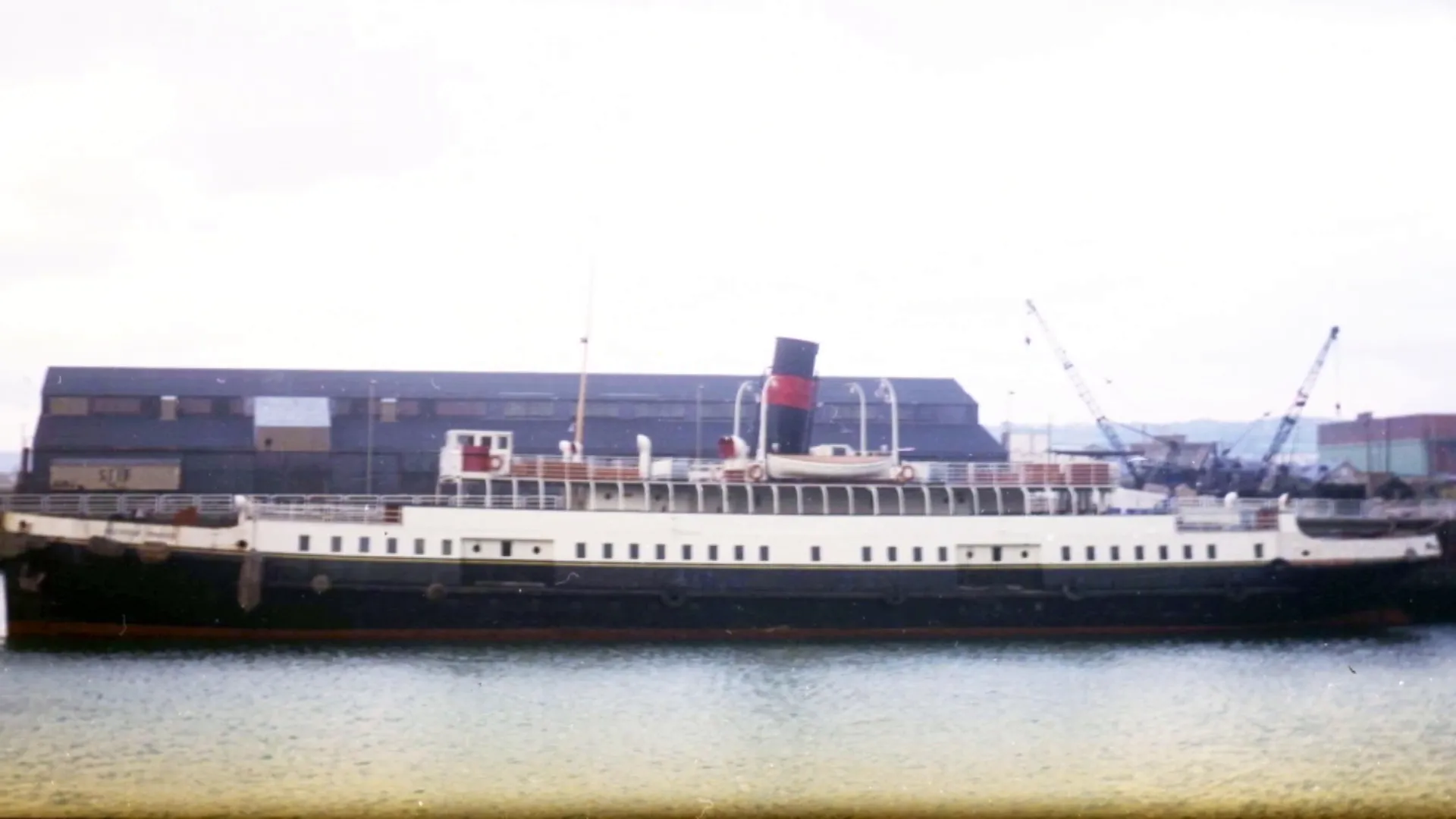
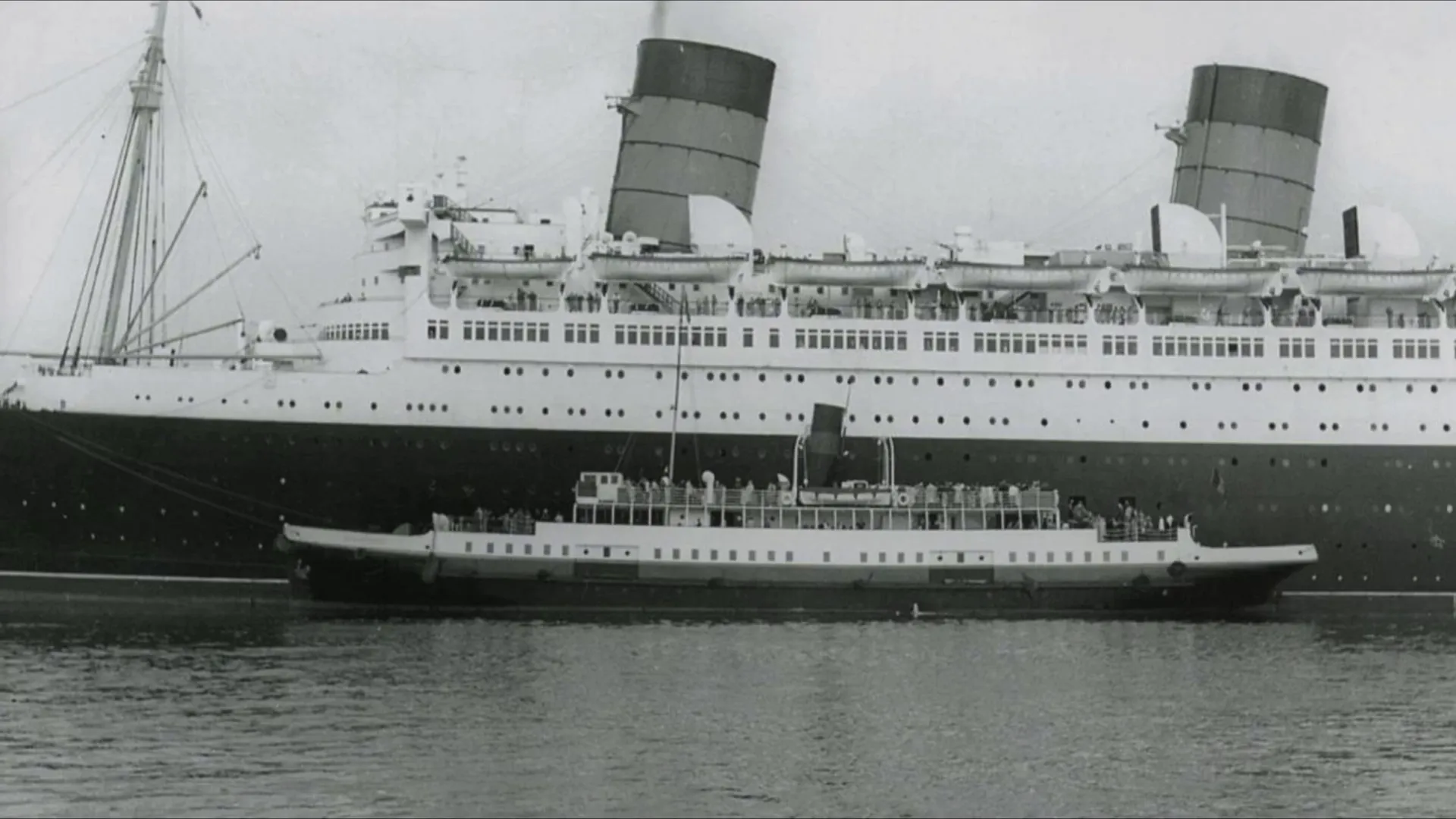
After the war, the Engineer Menard returned to tendering duties for ocean liners, including the Queen Mary and Queen Elizabeth. However, by November 4, 1968, she officially retired from these operations.
Conversion into a Floating Restaurant
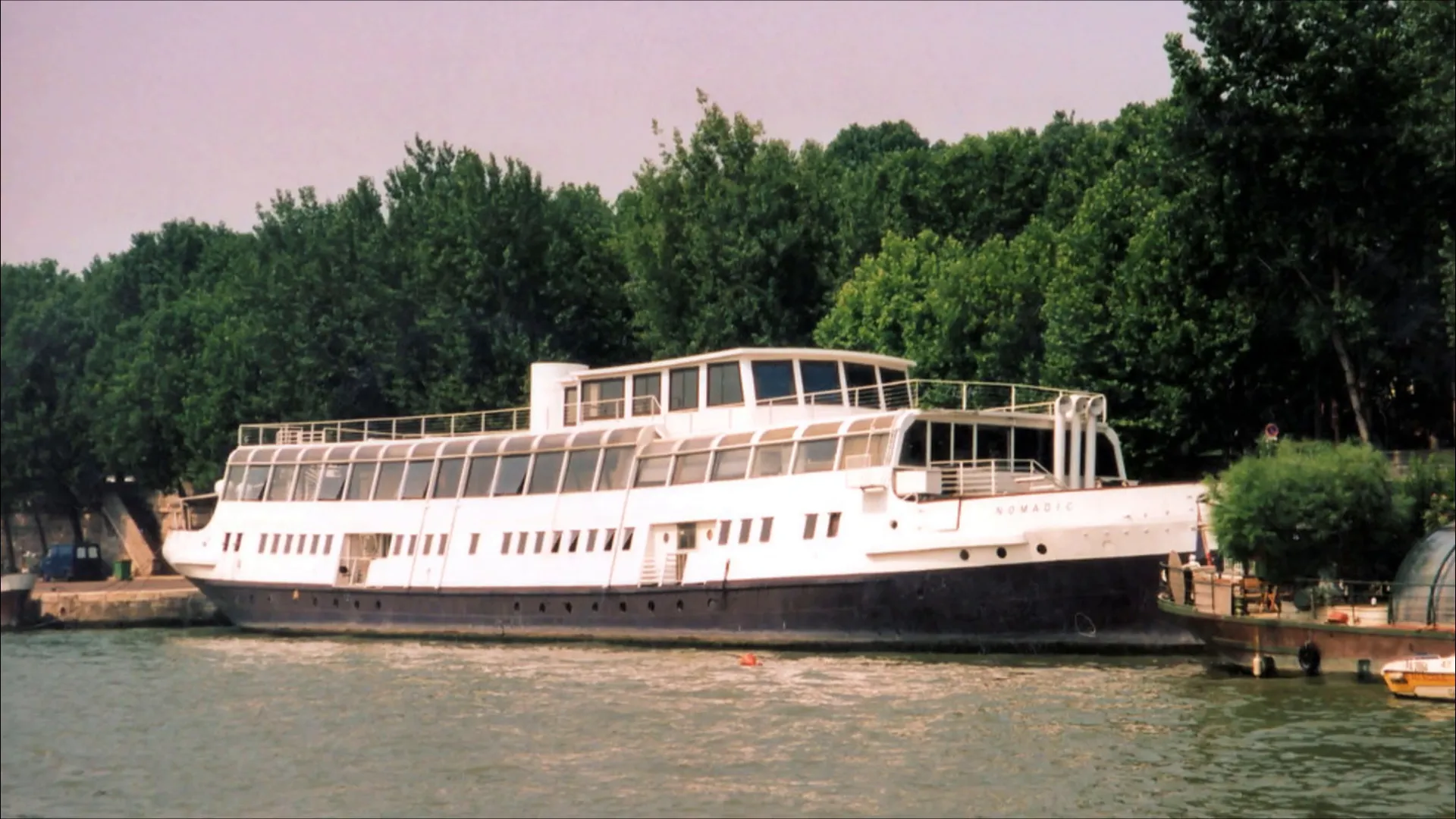
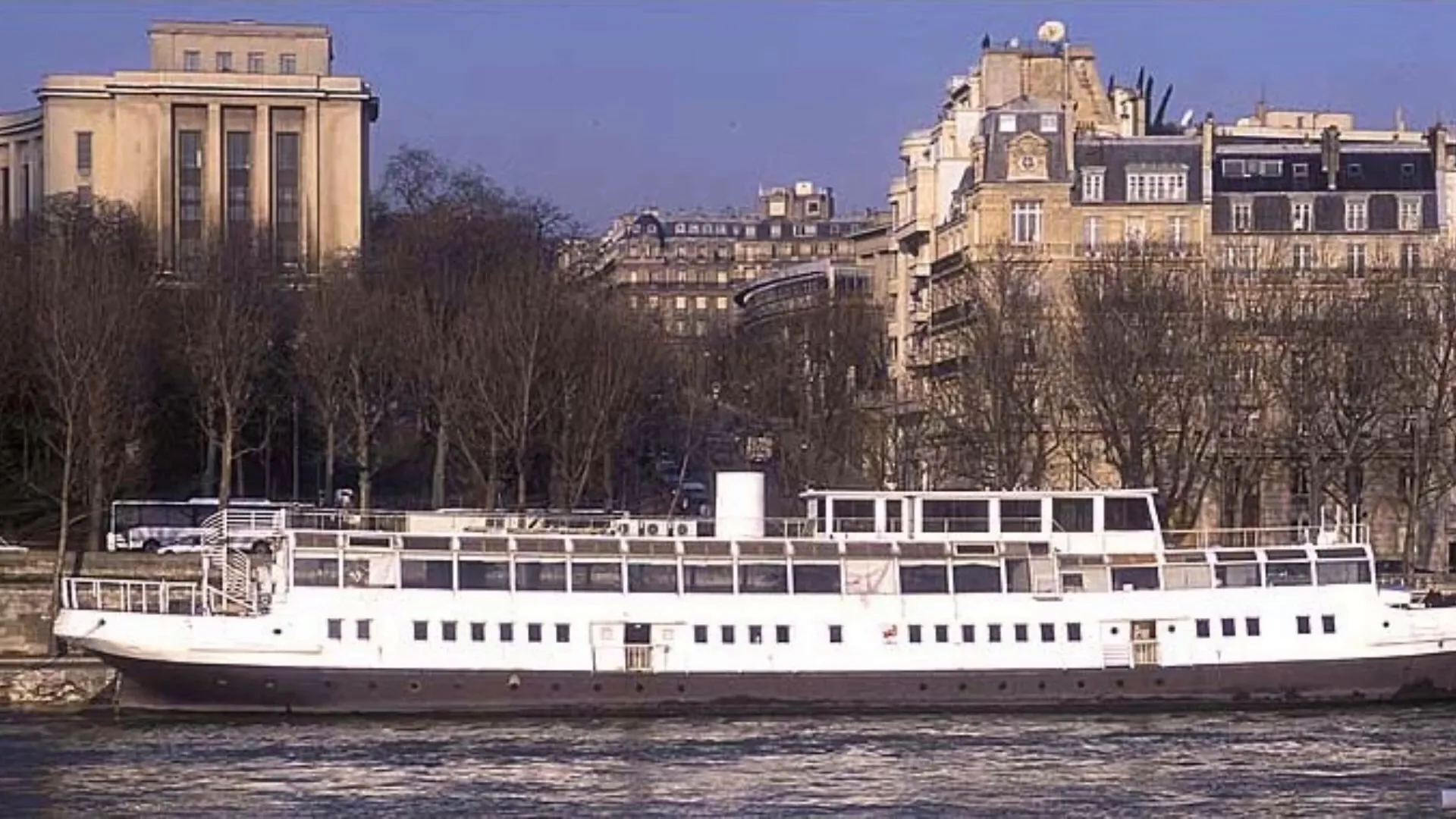
In 1969, the ship was purchased by a private individual, who changed her name back to SS Nomadic. Extensive renovations transformed her into a floating restaurant and function venue, marking a new era for the vessel.
The Nomadic’s Rescue and Restoration Efforts
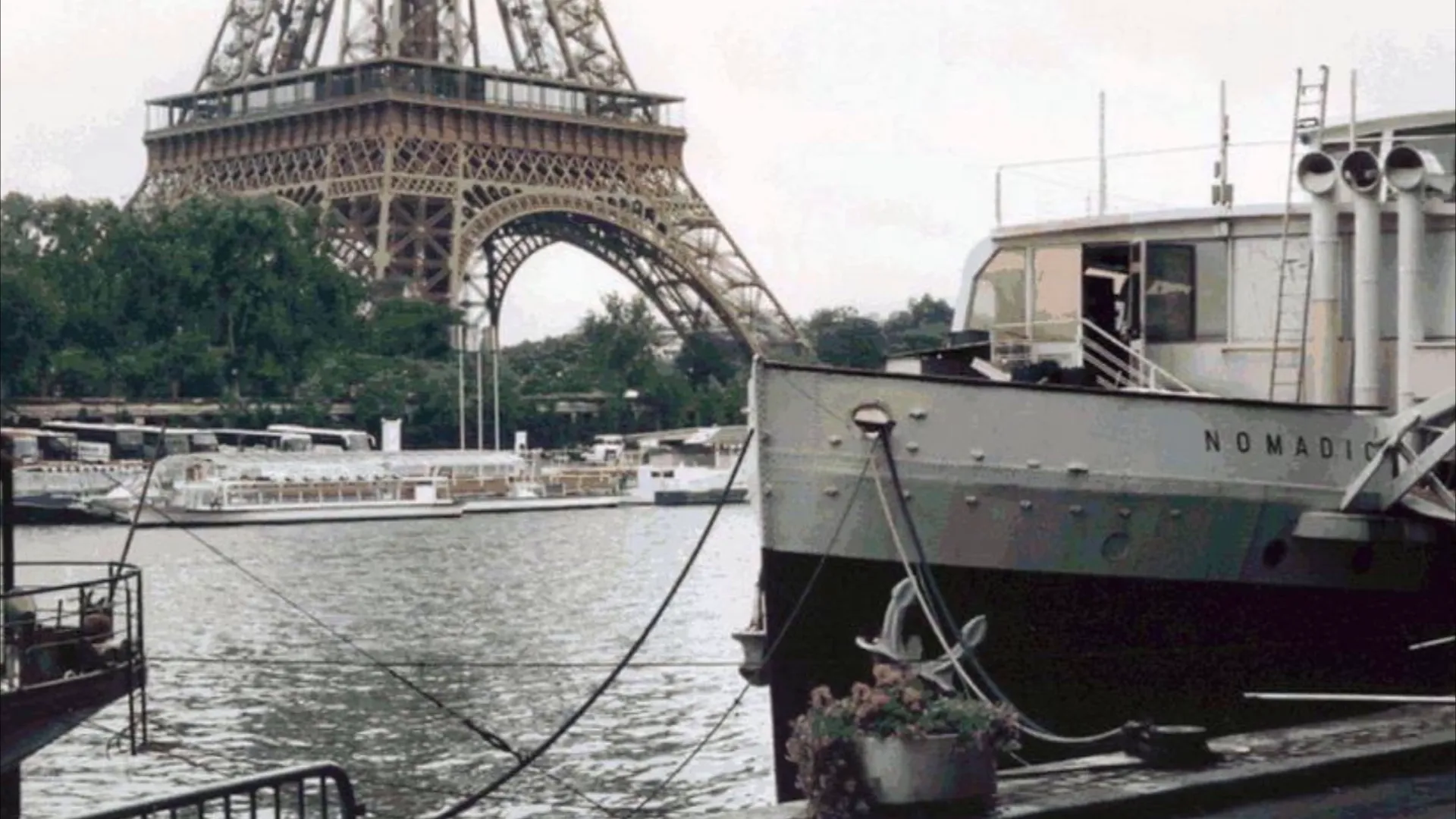
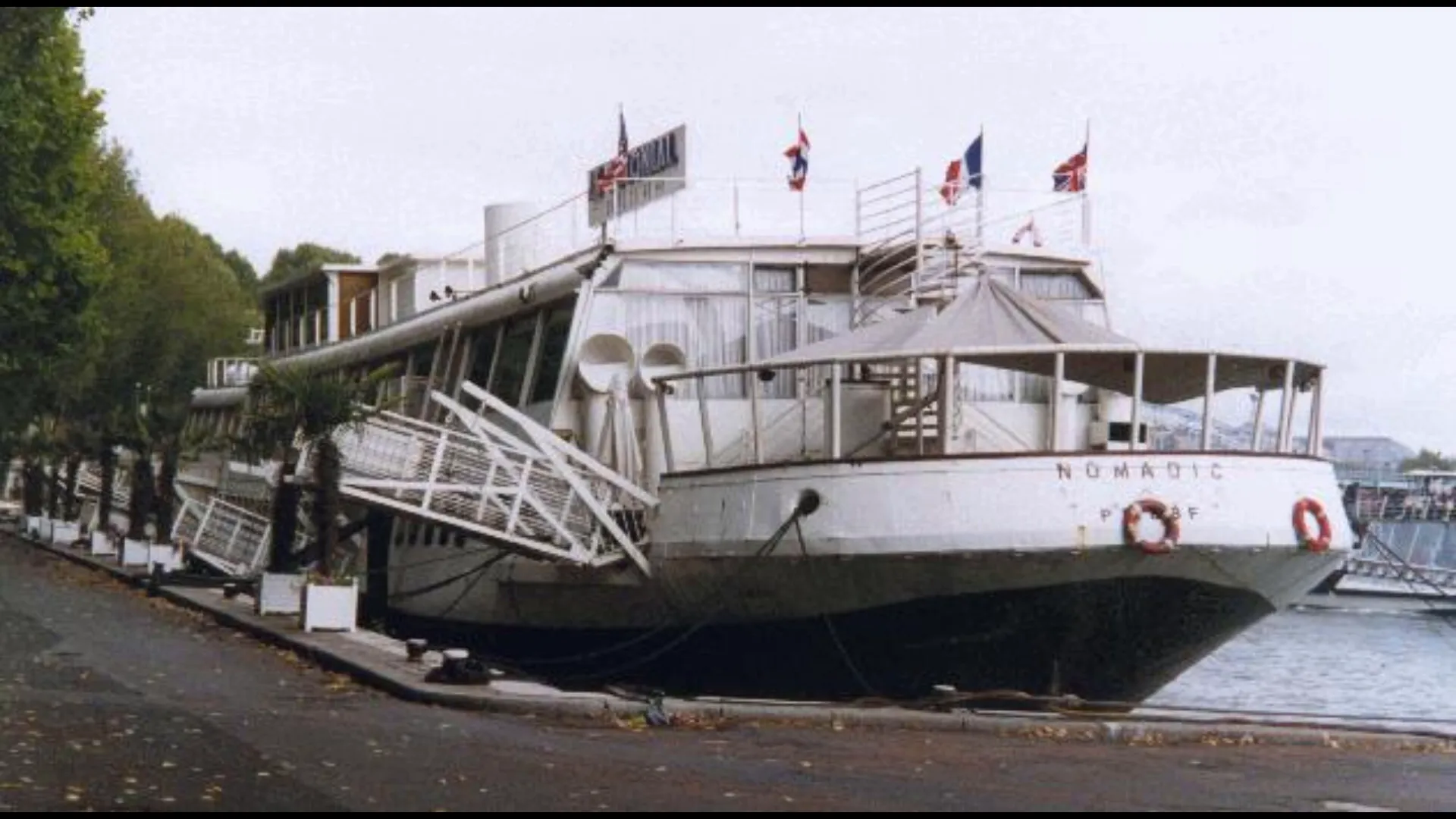
Despite her new role, the SS Nomadic faced financial difficulties in the early 2000s. By 2002, she was seized by the Paris Harbor authorities, risking her fate as scrap metal.
Community Support and Fundraising
Her potential fate sparked outrage among maritime enthusiasts, leading to campaigns aimed at securing her preservation. Organizations like the French Titanic Society rallied support to save the vessel.
Government Intervention
On January 26, 2006, the Northern Ireland government purchased the vessel at auction, ensuring her restoration. This purchase reflected a commitment to preserving maritime heritage and honoring the Nomadic’s legacy.
Restoration Plans
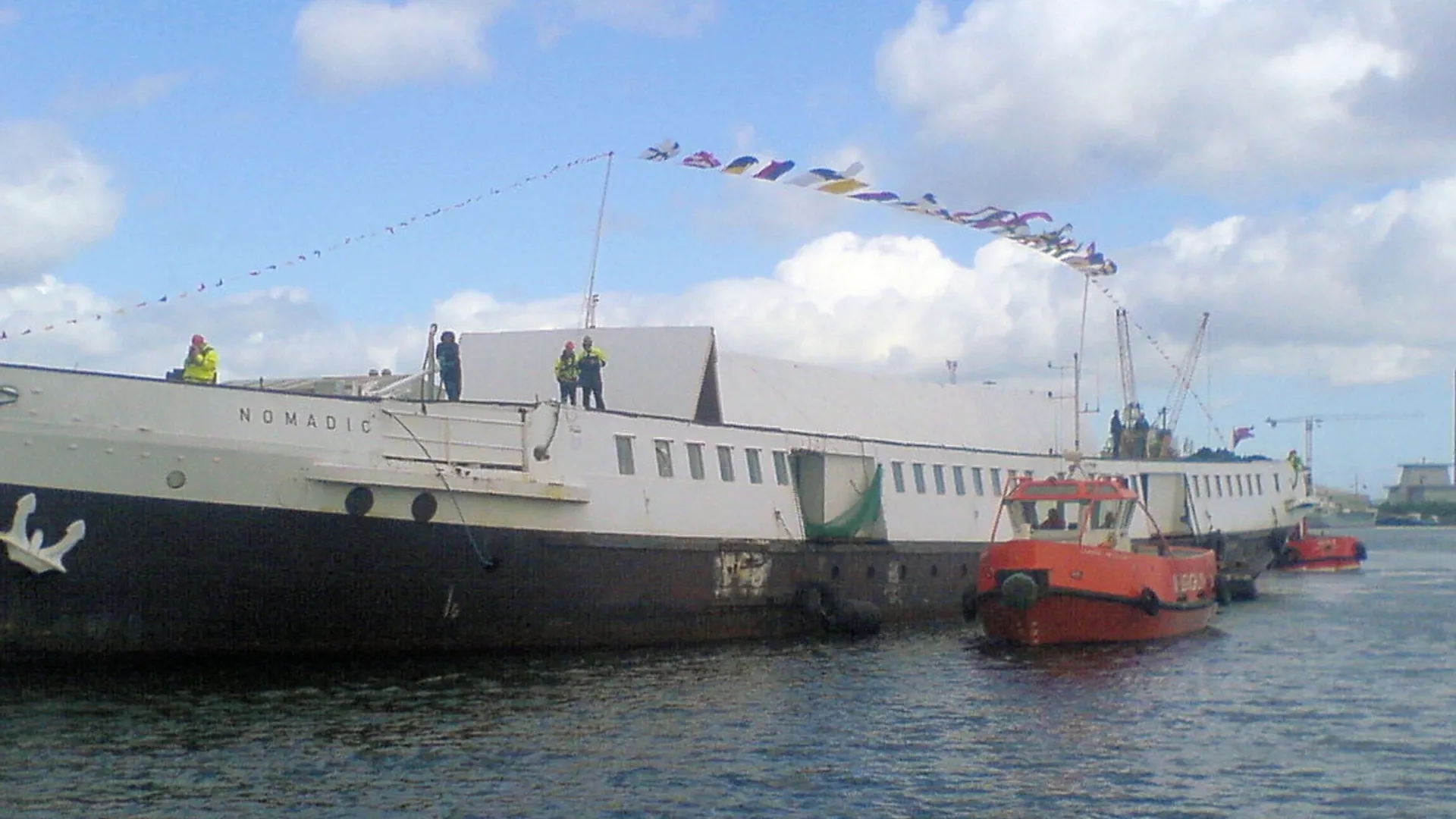
Following her acquisition, the Northern Ireland Charitable Trust began essential maintenance and fundraising efforts. The estimated cost of restoration stood at £7 million, with significant funding already secured.
Recognition and Historic Designation
In August 2008, the SS Nomadic was recognized by National Historic Ships and entered into the National Register of Historic Vessels as part of the historic fleet. This designation underscores the Nomadic’s historical significance, placing her alongside other notable vessels like the CI Sark, Mary Rose, and the Royal Yacht Britannia.
Conservation Efforts
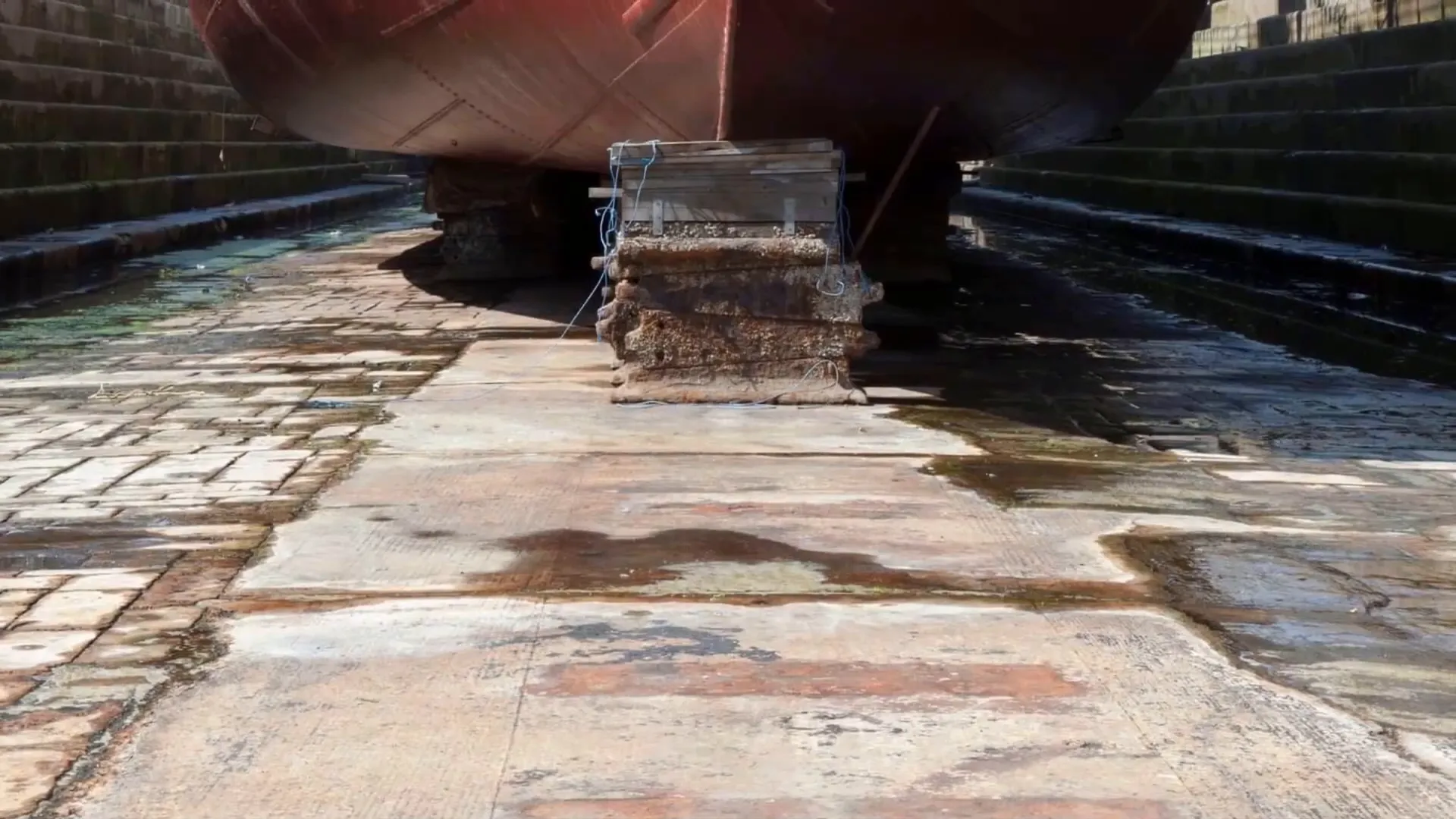
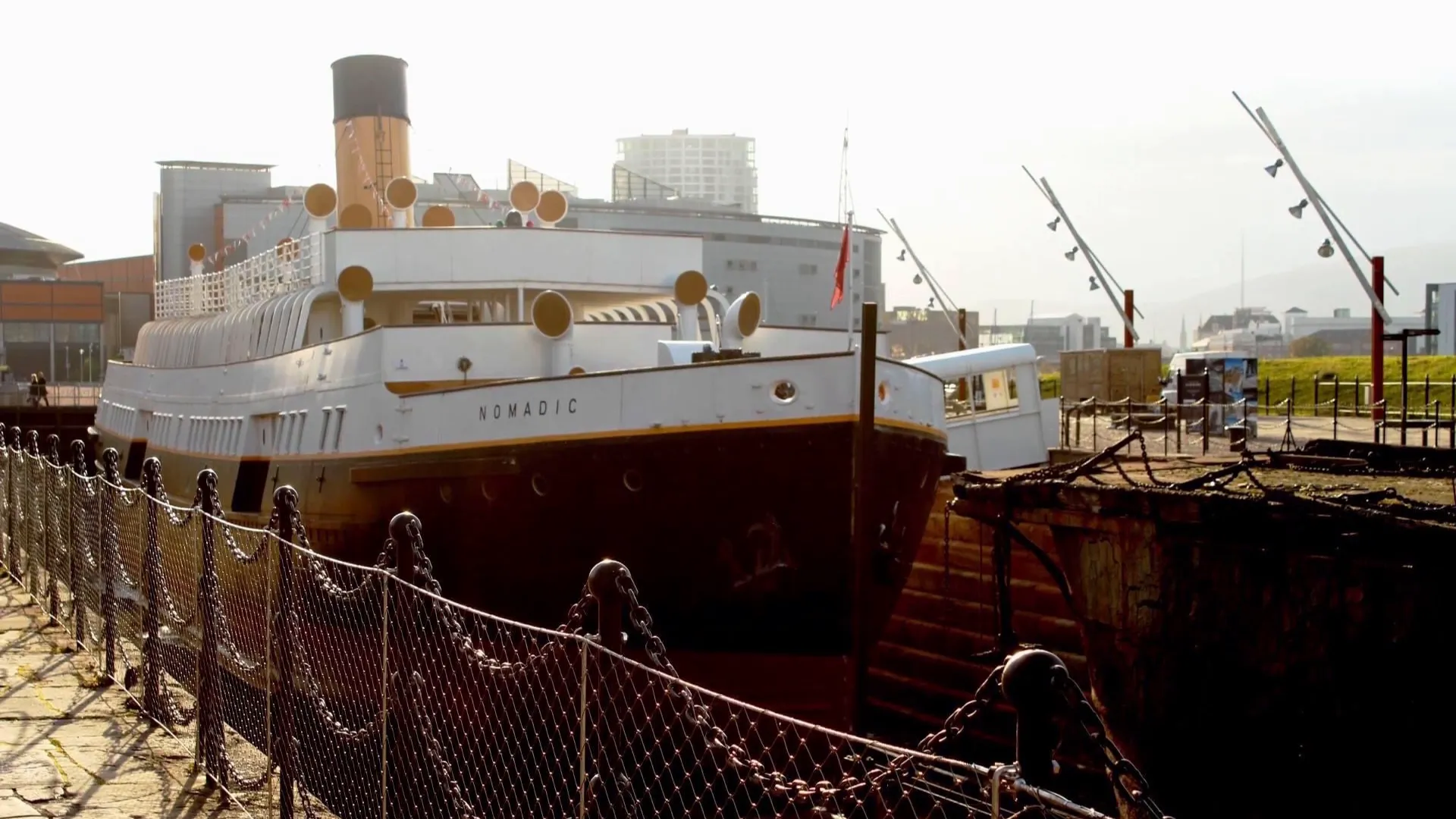
In August 2009, the Nomadic was moved to Hamilton Graving Dock on Queens Road, Belfast. This dry dock, itself a piece of maritime heritage, underwent partial refurbishment through a partnership between the Belfast Harbor Commission and Titanic Quarter Limited.
Major Restoration Initiatives
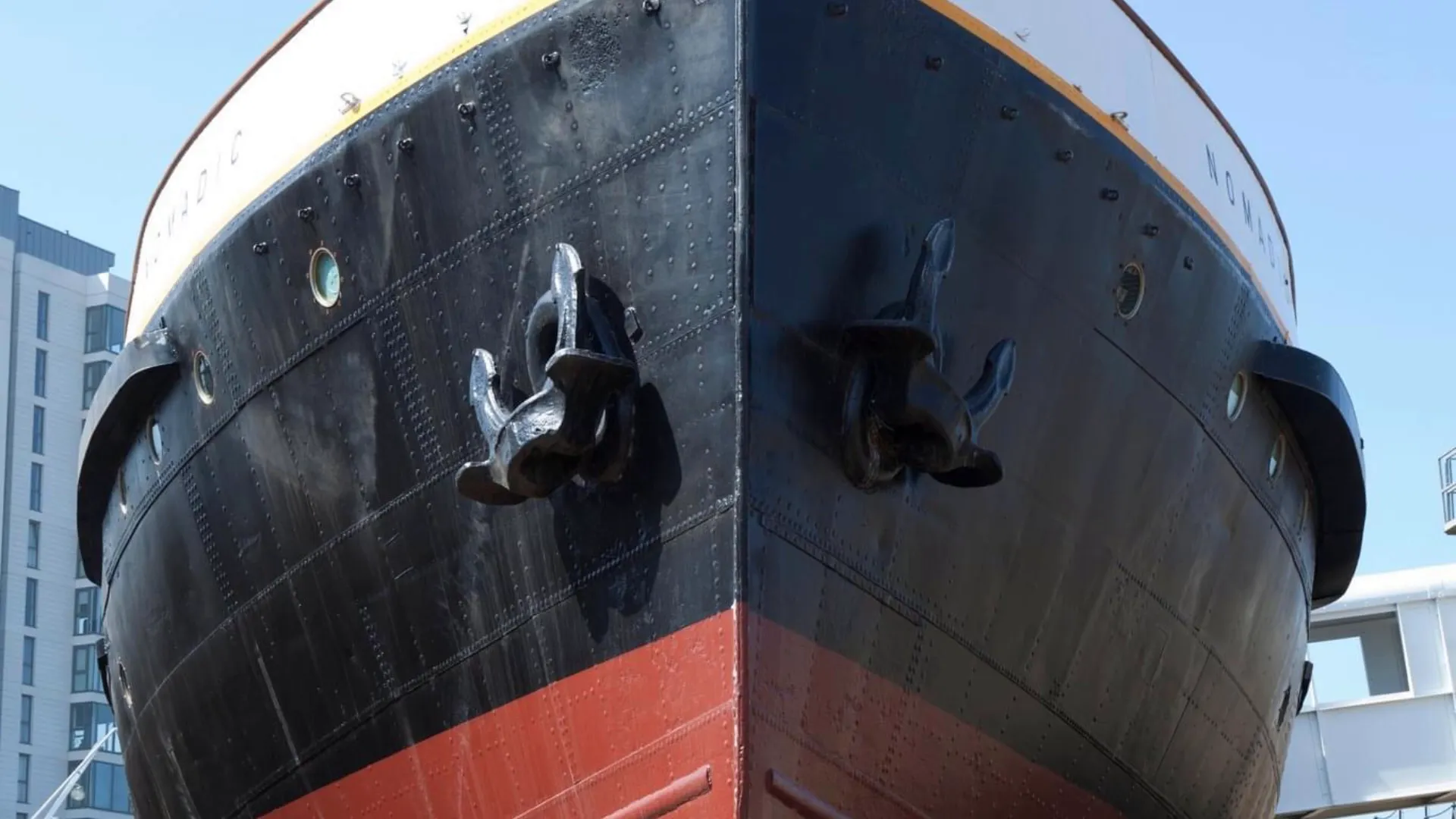
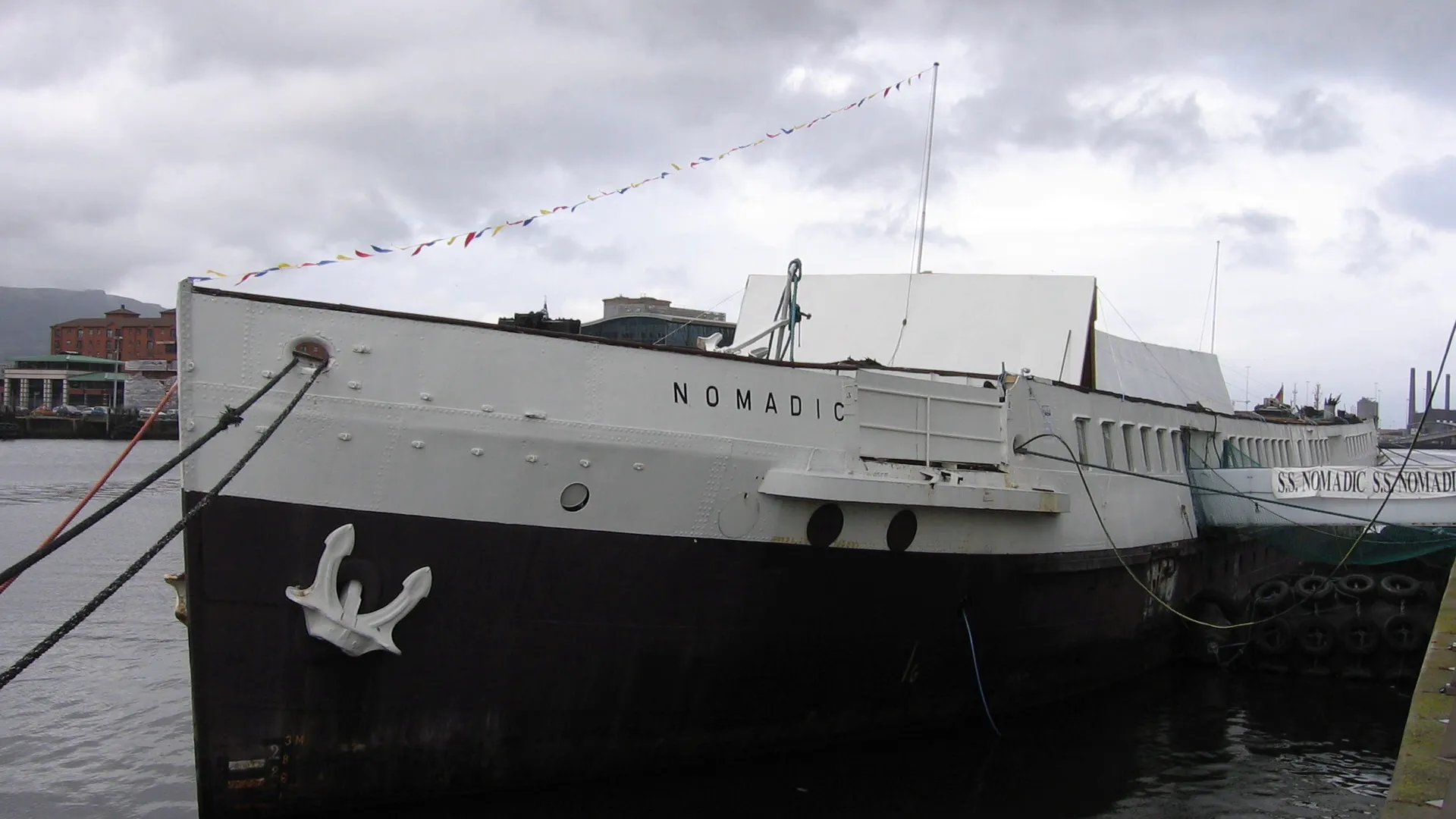
By late 2009, the Northern Ireland Charitable Trust had secured enough funding to initiate significant conservation and restoration efforts. In February 2010, external blasting and priming of the steel hull began to prevent deterioration.
Reviving Historical Connections
In February 2011, Harland and Wolff were appointed to carry out the restoration and repairs, reviving a century-old connection with the ship’s original builders. The £2 million contract included the reconstruction of missing decks and hull repairs, completed by February 2012.
Current Status and Visitor Experience
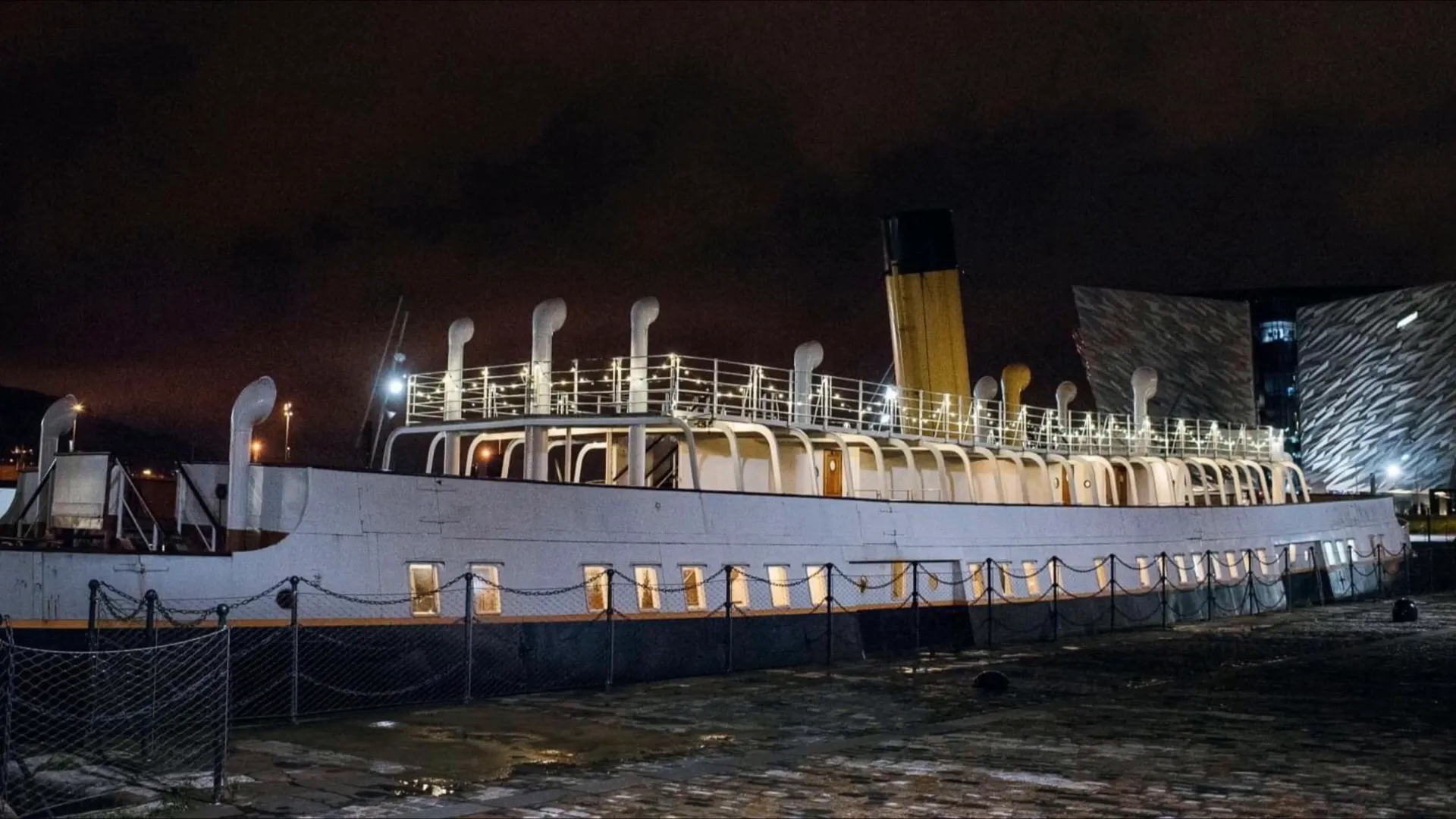
Today, the SS Nomadic is managed by Titanic Belfast Nomadic Limited and is an integral part of the Titanic Belfast visitor attraction. Visitors can explore the beautifully restored tender of the RMS Titanic, experiencing firsthand the legacy of maritime history.
What to Expect During Your Visit
Guests can immerse themselves in interactive exhibits detailing the ship’s history and her vital role as a tender. The experience combines education with the nostalgia of early 20th-century maritime travel.
Accessibility and Amenities
The site is equipped with amenities to ensure a comfortable visit. Guided tours are available, providing insights into the Nomadic’s storied past and her connection to the Titanic.

Personal Reflections on Visiting the Nomadic
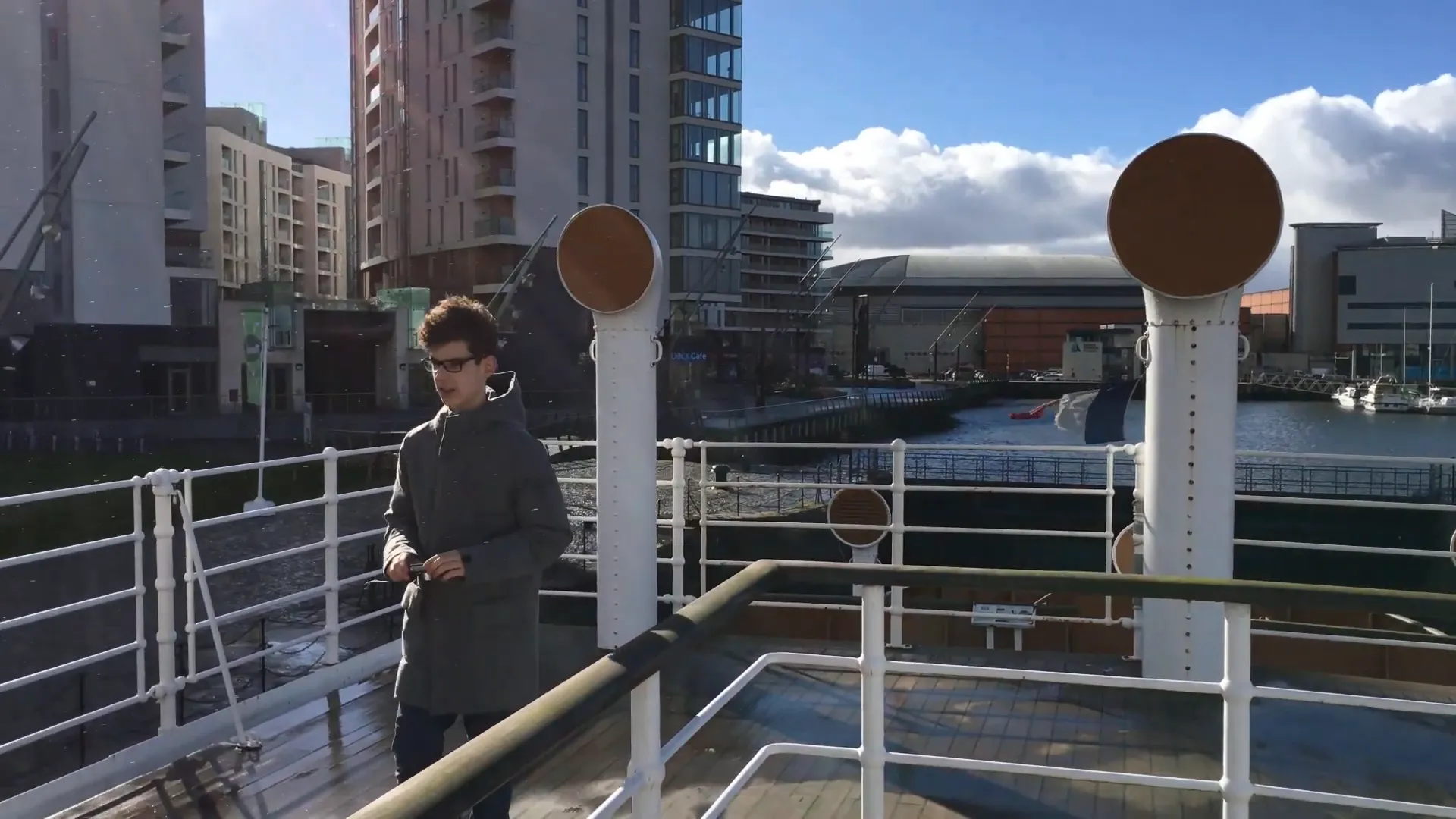
My visit to the SS Nomadic in 2017 was an unforgettable experience. At 16, I was still in the early stages of learning about the RMS Titanic and ocean liners, making the encounter with the Nomadic all the more special.
The Emotional Impact
Seeing the tender in real life was awe-inspiring. The ship carries a weight of history that resonates deeply, reminding visitors of the lives intertwined with her journey.

A Learning Experience
During my visit, I gained a deeper appreciation for maritime history. The Nomadic serves as a tangible link to the past, enriching my understanding of ocean liner travel.
Conclusion
The SS Nomadic stands as a testament to maritime heritage and the enduring stories of those who traveled aboard her. Her journey from luxury tender to a recognized historic vessel encapsulates the evolution of maritime travel.
Preserving the Legacy
As efforts continue to preserve and promote the Nomadic, she remains an essential part of our cultural history. Visiting the SS Nomadic offers a unique glimpse into a time when ocean travel was synonymous with adventure and elegance.

FAQ About the SS Nomadic
What is the historical significance of the SS Nomadic?
The SS Nomadic served as a tender for the RMS Titanic and other large ocean liners, playing a crucial role in maritime travel during the early 20th century.
Can I visit the SS Nomadic today?
Yes, the SS Nomadic is part of the Titanic Belfast visitor attraction, where guests can explore the ship and learn about her history.
What restoration work has been done on the SS Nomadic?
Significant restoration work has been completed, including hull repairs and reconstruction of missing decks, ensuring the vessel is preserved for future generations.
How can I support the preservation of the SS Nomadic?
Support can come in many forms, including visiting the ship, participating in fundraising events, or donating to organizations dedicated to her preservation.


