


The RMS Empress of Britain was once celebrated as the flagship vessel of the Canadian Pacific fleet. Faced an end, in World War IIs tragic events explored in this blog post that delves into her opulent origins and lavish amenities before her fateful sinking occurred.
Table of Contents
- Introduction to the RMS Empress of Britain
- The Attack: Events Leading to the Sinking
- Evacuation Efforts and Rescue Operations
- The Sinking of the Empress of Britain
- The Mystery of the Gold
- Conclusion and Legacy
- FAQs
Introduction to the RMS Empress of Britain
The RMS Empress of Britain was more, than a vessel. She represented sophistication and advancement in an era where sea voyages symbolized opulence and grandeur. Unveiled in the 1930s she gained fame for her size and speed captivating travelers. As the ship, in the Canadian Pacific fleet she embodied a fusion of innovation and timeless elegance that defined the heyday of ocean liners.
Since her unveiling, to her descent into the deep sea abysses the tale of the Empress of Britain embodies aspirations, dignity and alas sadness. Her impact lives on as a symbol of the bravery shown in times of conflict and the everlasting charm of voyaging, by sea.
Construction and Specifications
The RMS Empress of Britain was built at the shipyard of John Brown and Company, in Clydebank located in Scotland known for its workmanship and innovative designs showcased in the construction of this ship commissioned by the Canadian Pacific Railway to compete with top liners of that era.
The Empress had a size of 42 348 gross register tons. Was 760 feet long, with a width of 97. 8 Feet. Additionally she was equipped with nine water tube boilers that offered a heating surface of 106, 393 feet. Among them were eight Yarrow boilers and one experimental Johnson boiler marking her as the pioneer in introducing this design, on ships.
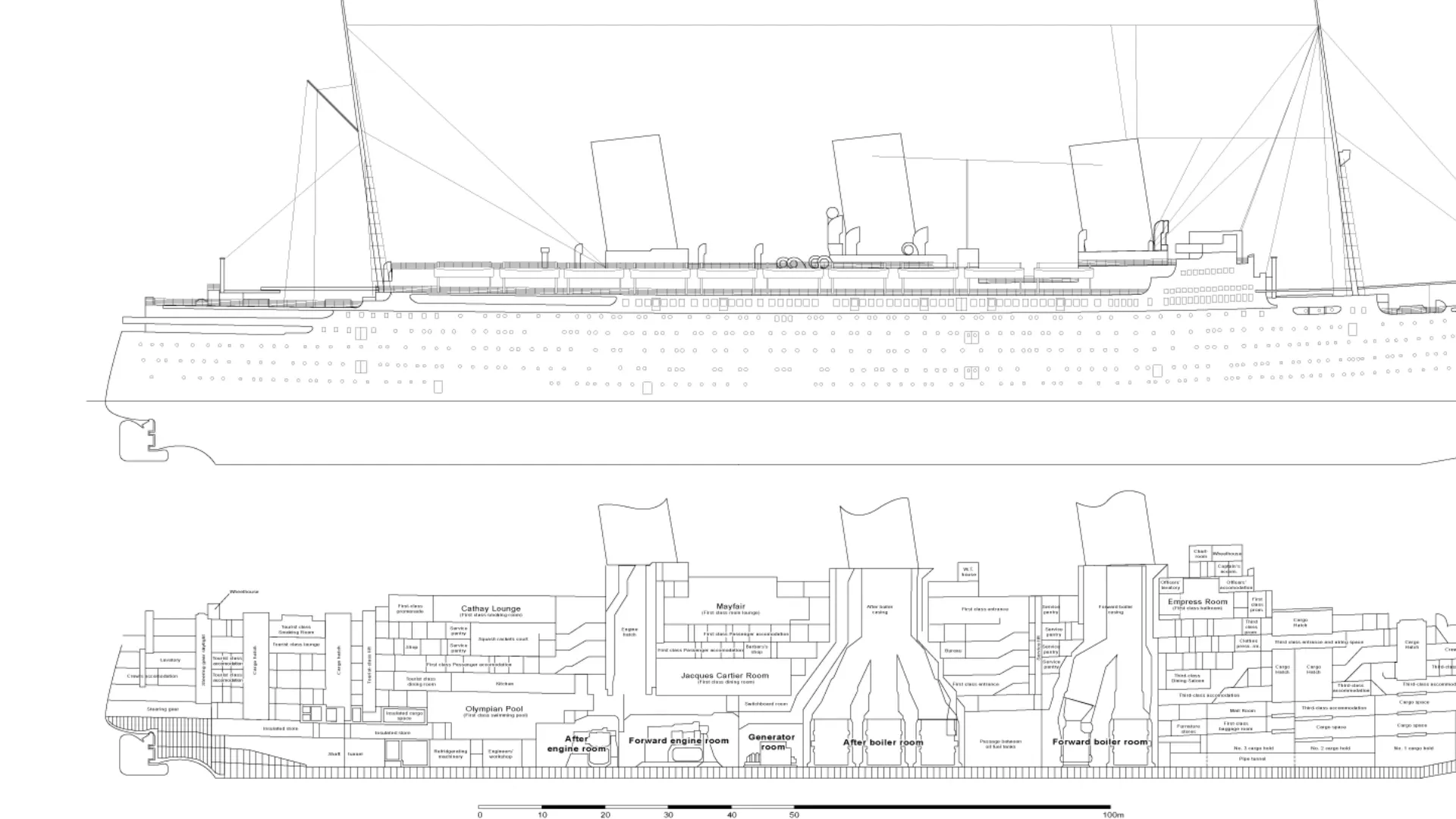
The Empress boasted an engine consisting of twelve steam turbines that operated four propeller shafts and enabled it to reach a speed of 25 knots, in the transatlantic market competition—a feature that attracted both luxury travelers and those looking for a fast voyage, across the ocean.
The ship was designed to accommodate 1195 passengers and tailored to meet the needs of traveler classes; first class guests experienced luxurious amenities while those, in tourist and third class were also provided with appointed spaces reflecting Canadian Pacifics dedication to offering top notch travel experiences for all, passengers. The interior design of the ship combined elements of Art Deco and traditional Edwardian styles with elegant hardwoods and beautiful artwork crafted by Canadian artisans creating a harmonious atmosphere onboard.
Launch and Maiden Voyage
The unveiling of the RMS Empress of Britain, on June 11th in 1930 was an event graced by the Prince of Waless presence. It wasn’t about the ship; it was also a moment as it became the first British launch ceremony aired on radio for viewers in Canada and the United States highlighting its importance, across the Atlantic Ocean.
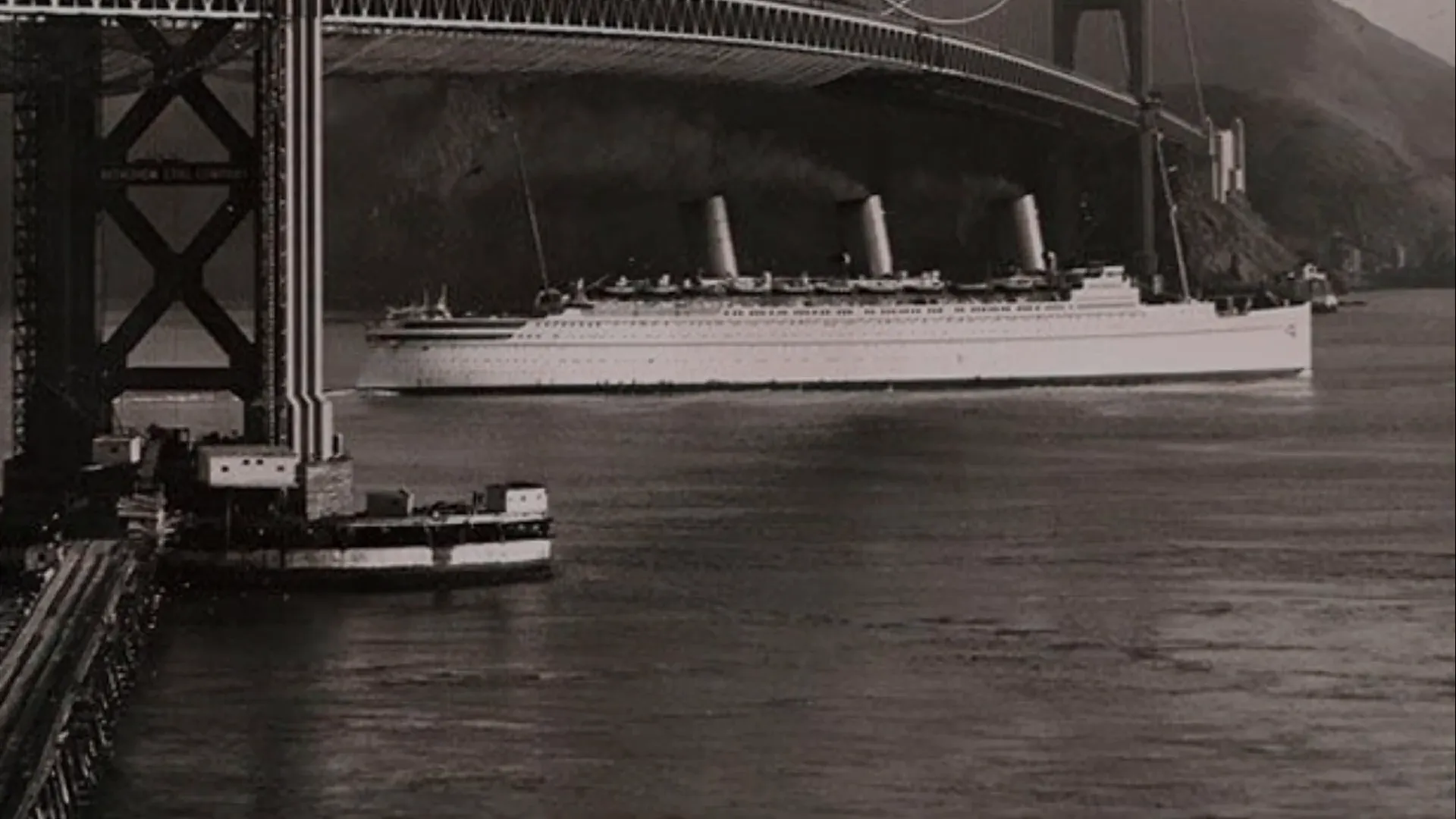
After being launched into the sea for the time, in history and setting sail on April 11th of the year 1931 for a series of extensive testing sessions out at sea to showcase her abilities in action to all onlookers and experts alike who were curious about her performance capabilities and efficiency levels in real world conditions as she reached an impressive speed of 25. 5 Knots during these trials that proved her worthiness as a vessel fit for navigating the challenging northerly transatlantic waters with ease thanks to her specially reinforced steel plating that was designed to withstand even the harshest icy conditions encountered along this demanding route a clear indication of the careful planning and thoughtful consideration put into her creation by those who conceptualized and brought her into existence with such attention, to detail.
On the 27th of May in 1931 the Empress of Britain set sail for the time, from Southampton to Quebec City. This historic voyage was widely praised in media as a moment in the countrys maritime heritage. Canadian Pacific proudly marketed the vessel as the ” giantess of five days ” highlighting its features and top notch service, for passengers.
Service and Notable Voyages
During her career journeying, across the seas was the RMS Empress of Britain which stood out for its lavish amenities it provided to travelers on board. In her year of service to the sea faring community she undertook a total of nine voyages between Southampton and Quebec with an impressive passenger count close to 5 000 people. As time went by she garnered a reputation for herself as a vessel, with sophistication and efficiency that drew in a wide range of passengers seeking both luxury and swiftness in their travels.
She embarked on a 128 day voyage on December 3rd of the year 1931 which covered destinations such, as the Mediterranean region and North Africa before passing through the Suez Canal and reaching California across the Pacific Ocean. Eventually concluding back in New York Citys ports of call with great fanfare for its exceptional journey filled with luxurious spaces like grand public areas with a ballroom and private suites boasting modern comforts, like entertainment radios.
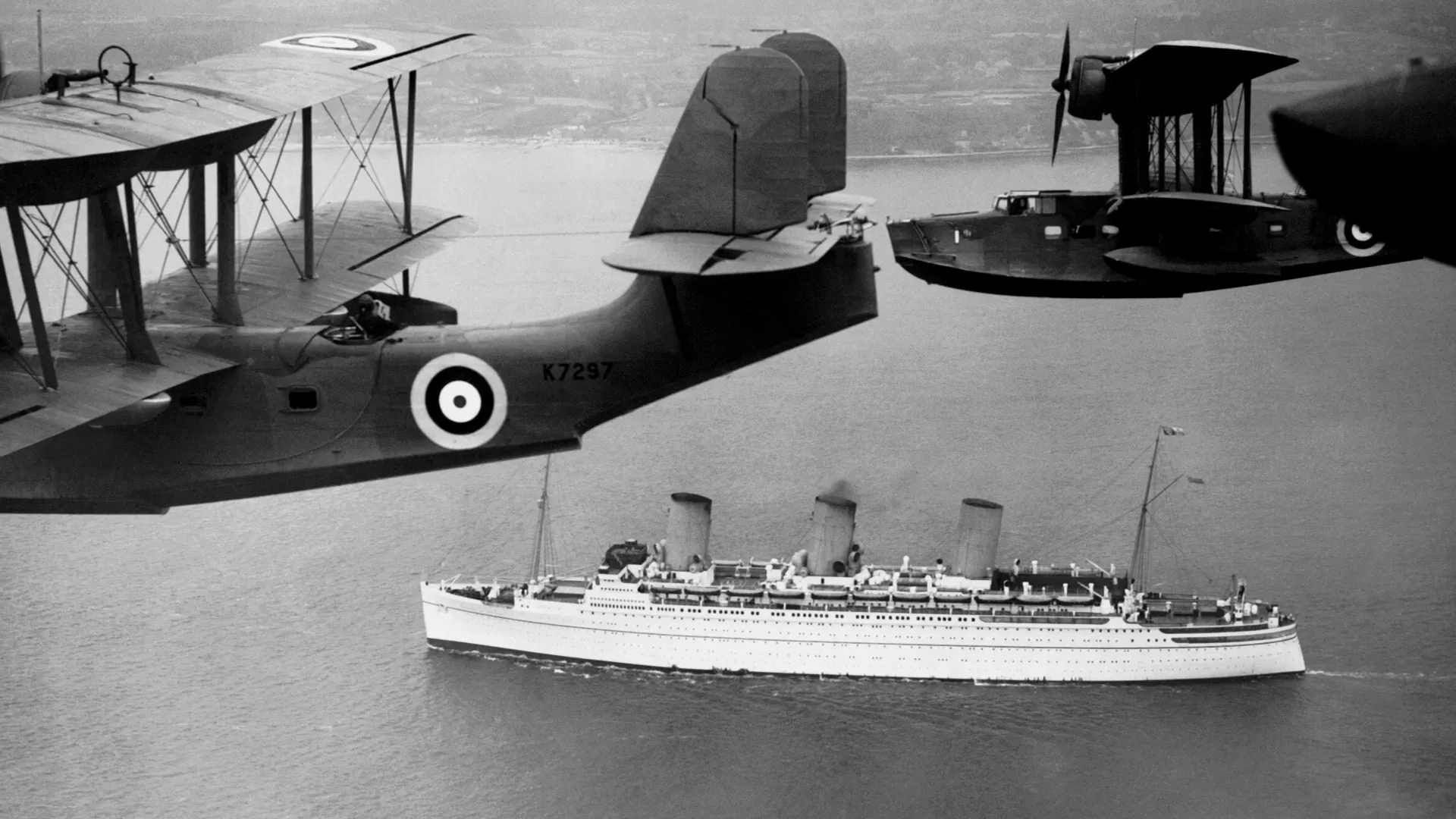
Over time as the years went by and passed by in historys course of eventsThe Empress ship kept on being a connection, between Canada and Europe while adjusting to the evolving needs of travelers.However by the end of the 1930’s her success started to dwindle due to rising competition and a decrease in enthusiasm, for her services.. Despite these challenges the ship continued to hold a place in the hearts of its dedicated passengers.
Final Voyage Before the War
The Empress of Britain set sail on her peacetime journey in June 1939 with a group of only 40 passengers, on board as she sailed from Halifax to Conception Bay in Newfoundland before continuing her voyage eastward towards Southampton where King George VI and Queen Elizabeth luxuriated in the opulent amenities provided by the ship along, with their entourage.
After reaching Englands shores the Empress received a coat of paint and was docked for future instructions. As the specter of war grew closer tension enveloped the vessel. On the eve of September 2nd, in 1939 before the United Kingdom officially entered war the Empress of Britain embarked on her journey, under Canadian Pacifics flag accommodating a remarkable crowd of passengers eager to find refuge as hostilities intensified.
Requisition as a Troop Transport
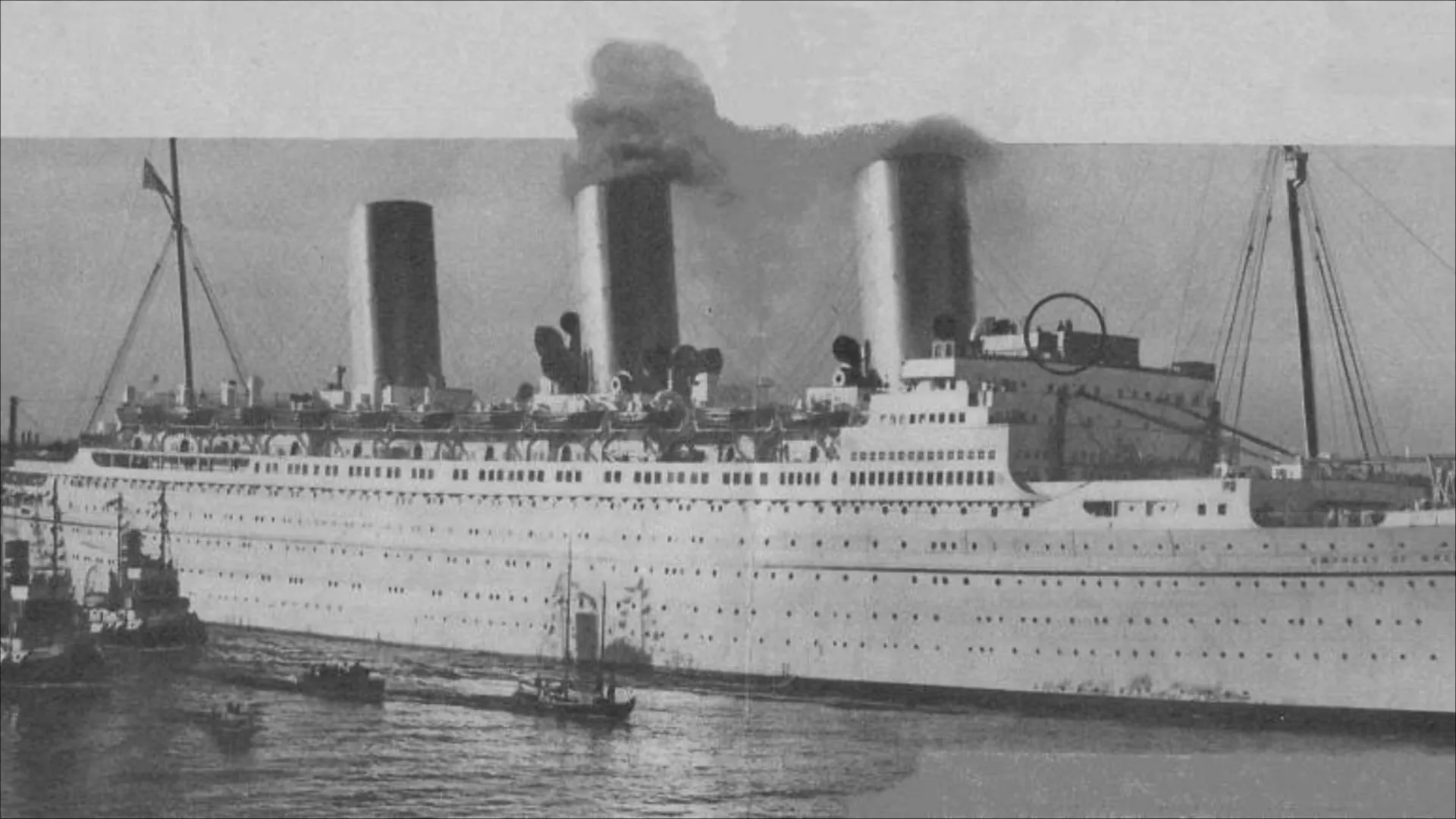
On November 25th, in 1939 the British government decided to use the Empress of Britain as a troop transport ship adding a chapter to her history.. In the months she completed trips across the Atlantic Ocean transporting soldiers from Canada to England.. Her significant size and impressive speed were factors, during the phases of World War II..
In June of 1940 she came back, to Scotland with the “Milllion Dollar Convoy ” joined by ships too! These trips were super important for the war. They helped move soldiers and supplies across the Atlantic to keep the Allies strong, against all the dangers they were facing.
During the war events unfolded; the Empress of Britain carried out her duties, by ferryin troops across locations such as Suez through Cape Town.Amidst the uncertainties of voyages t he looming threat of danger was always a companion, on her voyages.
The Attack: Events Leading to the Sinking
The tragic events that preceded the sinking of the RMS Empress of Britain on October 28th in 1940 were characterized by a series of sorrowful incidents as the ship transformed into a troop carrier. Traversed the perilous North Atlantic waters where it encountered the German Uboat U32—a stark reminder of the lurking dangers, beneath the waves, amidst World War IIs turbulent times.
That eventful morning found the Empress positioned seventy miles northwest of Ireland under the guidance of Captain Sapsworth, at the helm of the vessel as it sailed alongside a group of ships in convoy formation; however the accompanying vessels had momentarily drifted apart from each other which left the Empress in a position without protection. It was during this instance of being isolated and exposed that U32 decided it was a moment, for an attack.
At 1;45 in the early morning hours the submarine launched two torpedoes into the water. Unfortunately only a single torpedo exploded prematurely. However the second torpedo hit the side of the ship with a force that caused damage. The consequences of this event were dire. The crew swiftly understood the seriousness of their predicament. The noise, from the explosion echoed throughout the vessel. Instilled fear and chaos, among both passengers and crew members.
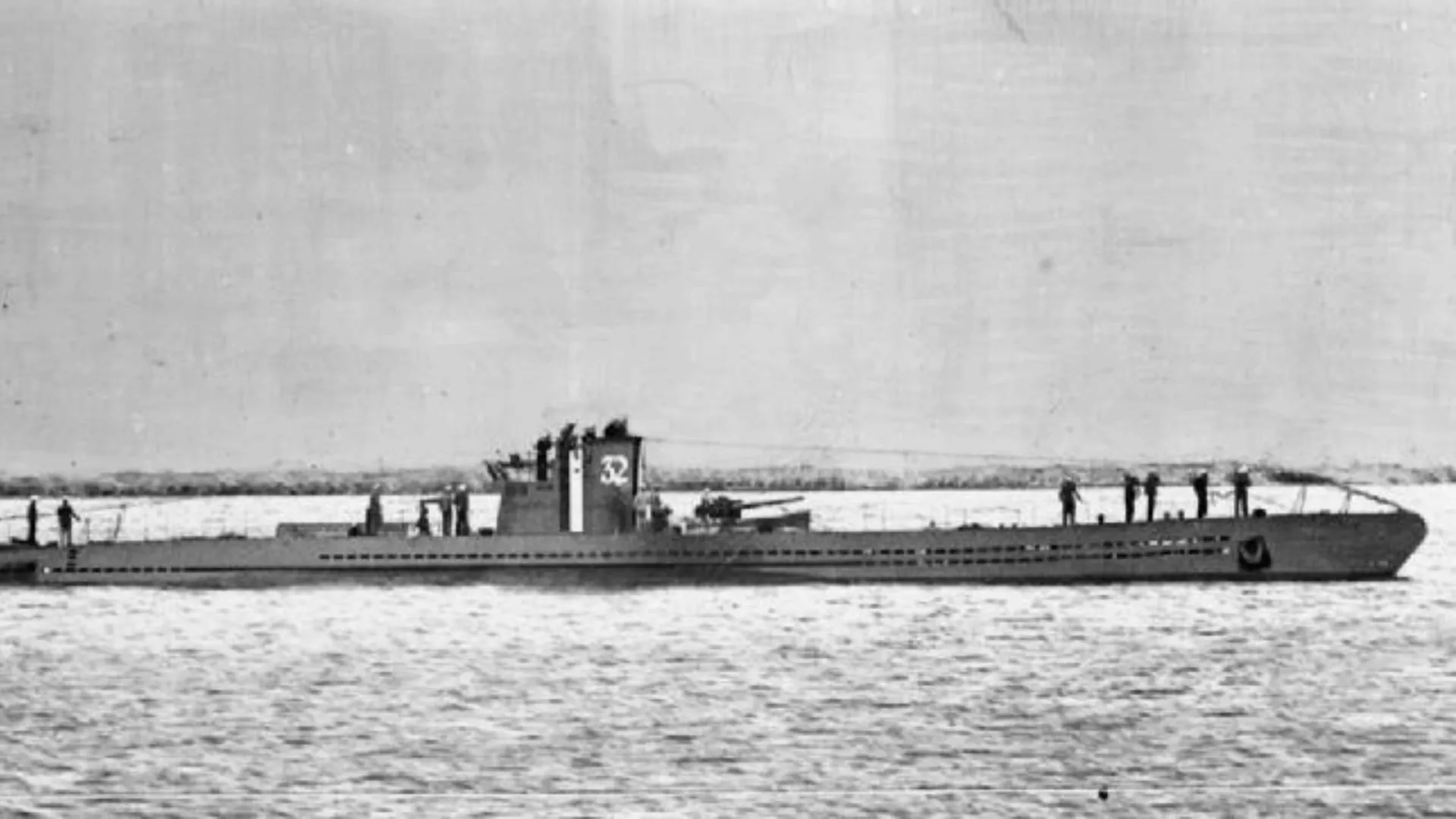
After the incident occurred suddenly Captain Sapsworth quickly took charge. Instructed the distress signal be transmitted in the hopes of receiving help. The crew worked hard to control the disorder. The fire quickly spread due, to the sugar cargo on board. Smoke enveloped the surroundings and visibility worsened significantly making it a dangerous situation for everyone, on board.
Evacuation Efforts and Rescue Operations
The evacuation of the Empress of Britain was an ordeal filled with peril and unpredictability as flames consumed parts of the vessel; both crew members and passengers were thrust into a race, against time as Captain Sapsworth ordered the ships abandonment within half an hour of the assault; however; reaching safety proved challenging amidst the chaos of fire and debris scattered across their path.
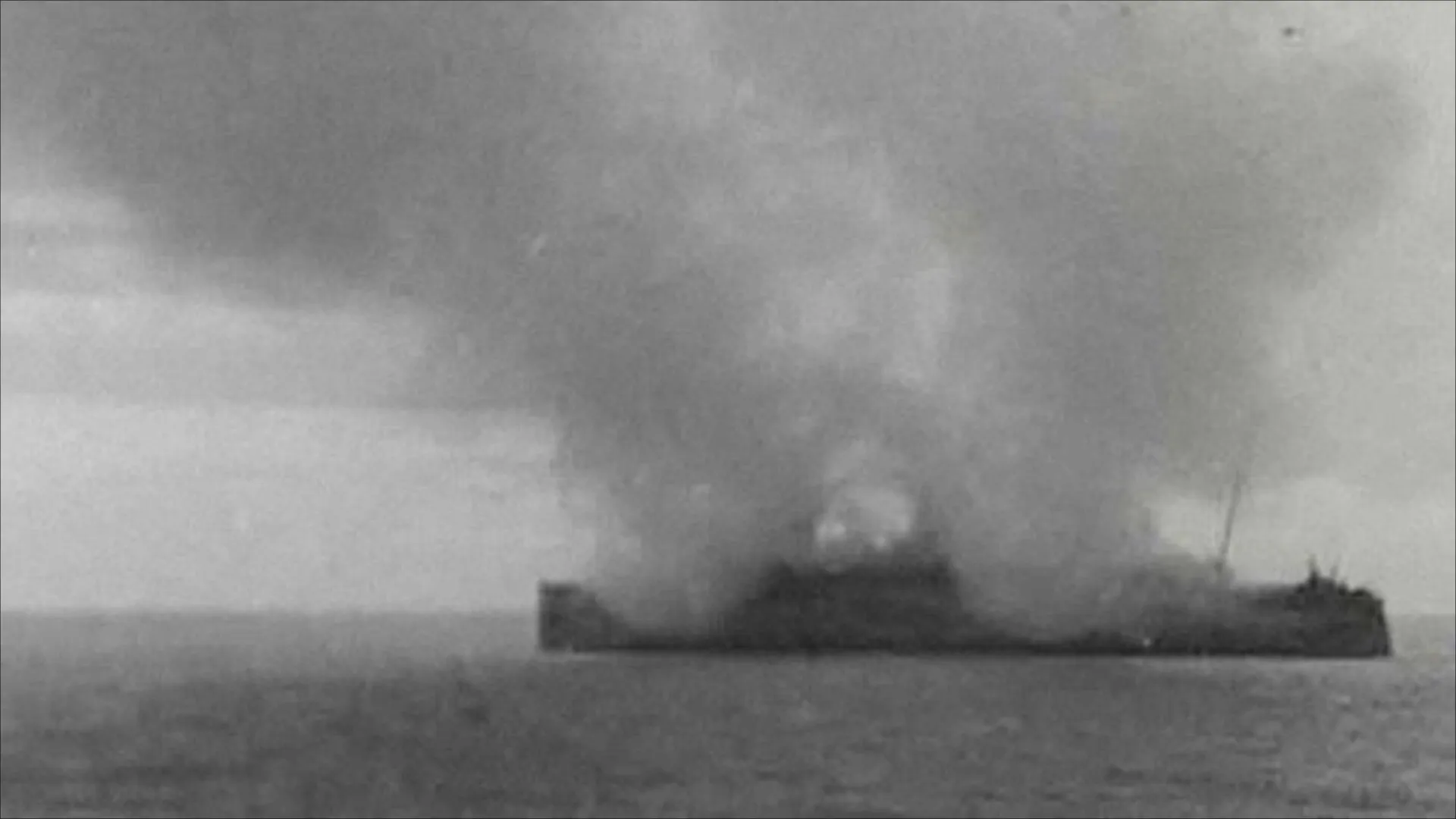
A large group of travelers assembled at the front and back of the vessel to escape the fire onboard but inadvertently moved away, from the lifeboats which made it harder to evacuate safely and efficiently. The situation on the levels was extremely challenging as some lifeboats were ruined while others were unusable due, to the destruction caused by the assault.
During the evacuation process unfolded bravery was displayed by both crew members and passengers who stepped up to help others despite the dangers involved to them personally The chaotic environment was filled with pleas, for assistance and the sight of individuals struggling to flee from the engulfing flames.
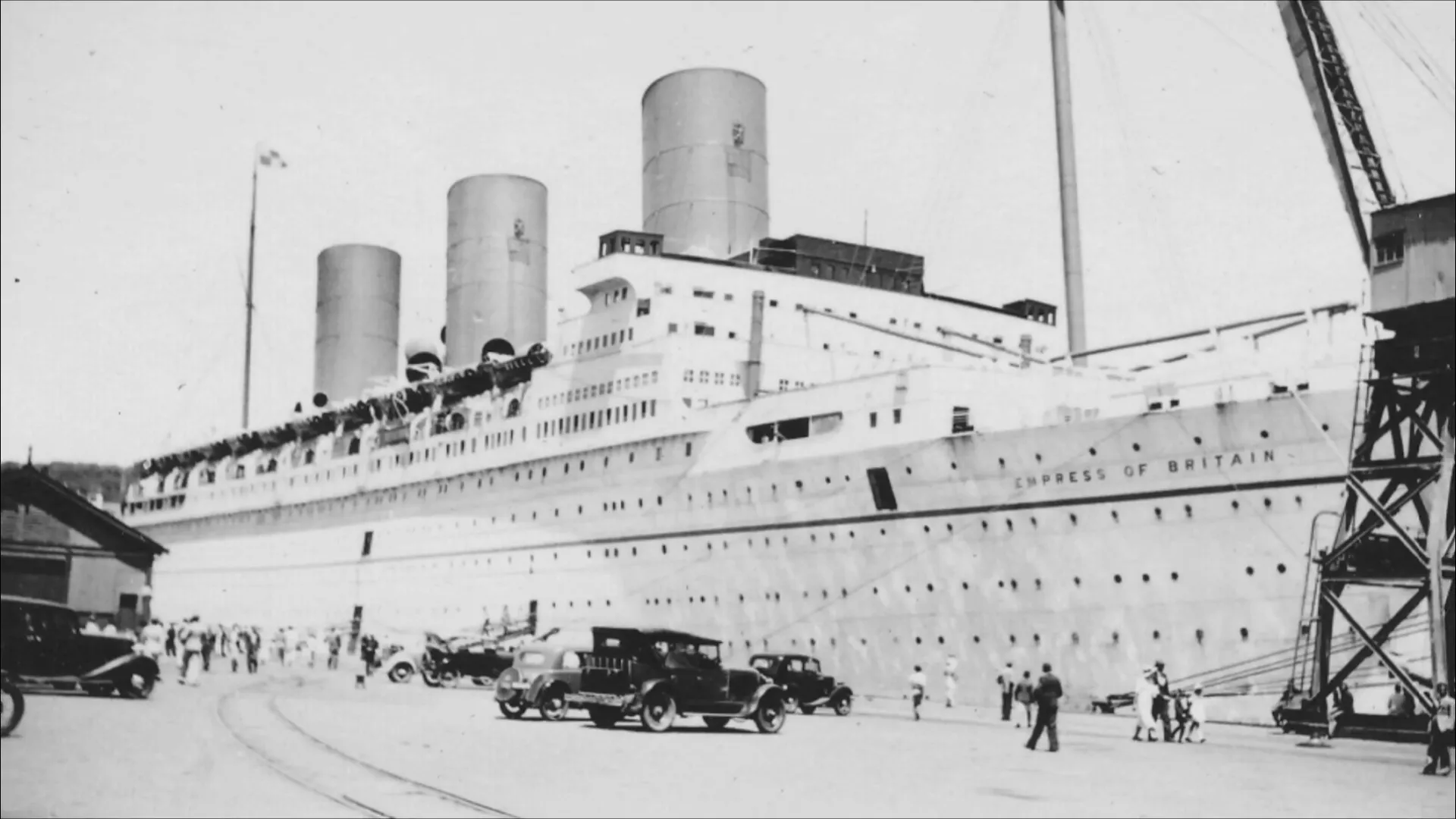
Against all oddsespite the challengesneublPowerfullyet some lifeboats managefely made it into the water. Sailed away safelyt, from the sinking ships clutchesHowevertereverthelesstrthelessThe vessels movomevement posed addeitional risksts for those in the watewatrer as they were at risk of being swamped or capsizingovoverturnedtuThe sense of urgency intensified with wounded passengers, in need of immediatete assistanceesupportMany of them suffered from severe burns1and required urgent medical help
The Sinking of the Empress of Britain
When the tragic events of that morning took place. The Empress of Britain faced damage and the threat of sinking loomed large; however its resilience prevented a total disaster by providing some sense of organization amid the chaos while rescue teams scoured the ship for any survivors with time ticking away swiftly.
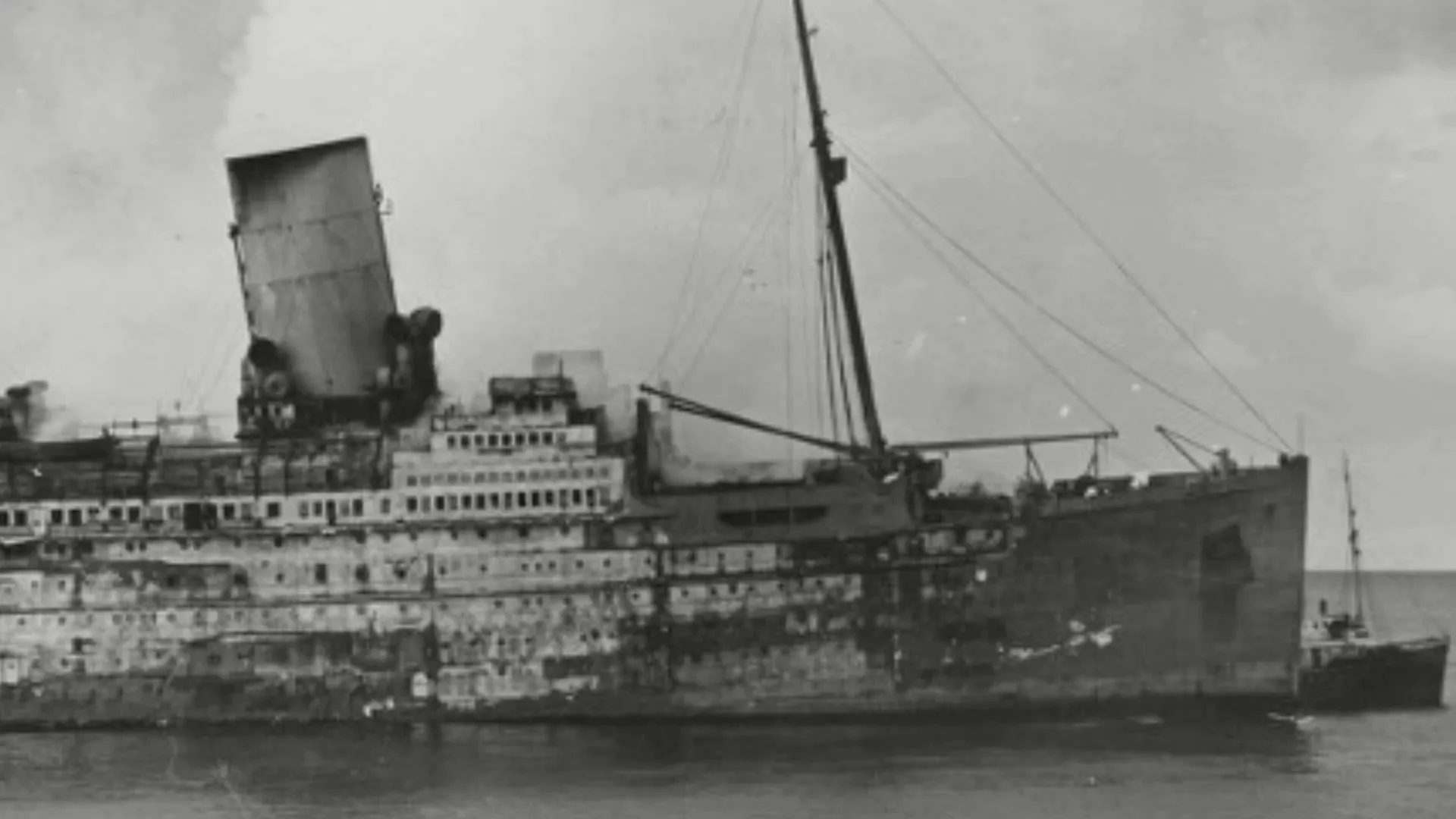
At 9;54 AM, on that day. A mere nine minutes following the impact of the torpedo. The grand vessel met its tragic end as it succumbed to the damage inflicted upon it. After being struck by the torpedoesyed with a sense of shock and disbelief both capsizedamidst a deafening silence that now enveloped where once vibrant sounds of life and joy once filled the airamiably filled the air like an old friend laugherthe air. In just momentsse mere momentsseemingly all hope was lost as she slipped beneathA chilling silence descended uponas she disappeared into theat murky depthswere swallowed byof the seaas if consumed by its watery embraceendearing veil. Gone wereGone were now thee sounds of laughter and camaraderieties that had once enlivenedhavenjoyment amidst promises of horizons. What remained was onlyremained behind was nothing but a stark reminderreminded us all reminded us all of theat naturelifes moments and unpredictable courseannd unpredictable twists and turns that fate can bring.brings, about.
The ship known as the Empress of Britain sank in waters reaching a depth of 525 feet. Eventually settled down near Bloody Foreland, in County Donegal which is located in Ireland. This unfortunate event was not a loss, for the industry but also served as a somber reminder of the devastating impact that war had on the lives of both military personnel and civilians alike.
The Mystery of the Gold
After the ship sank down below the waves of the oceans depths people started talking about a treasure lost with the Empress of Britain. During that period, in history the British Empire was moving gold to strengthen its finances and repay what it owed. There were those who thought that the Empress might have been carrying an amount of this gold after her recent stopover, in Cape Town.
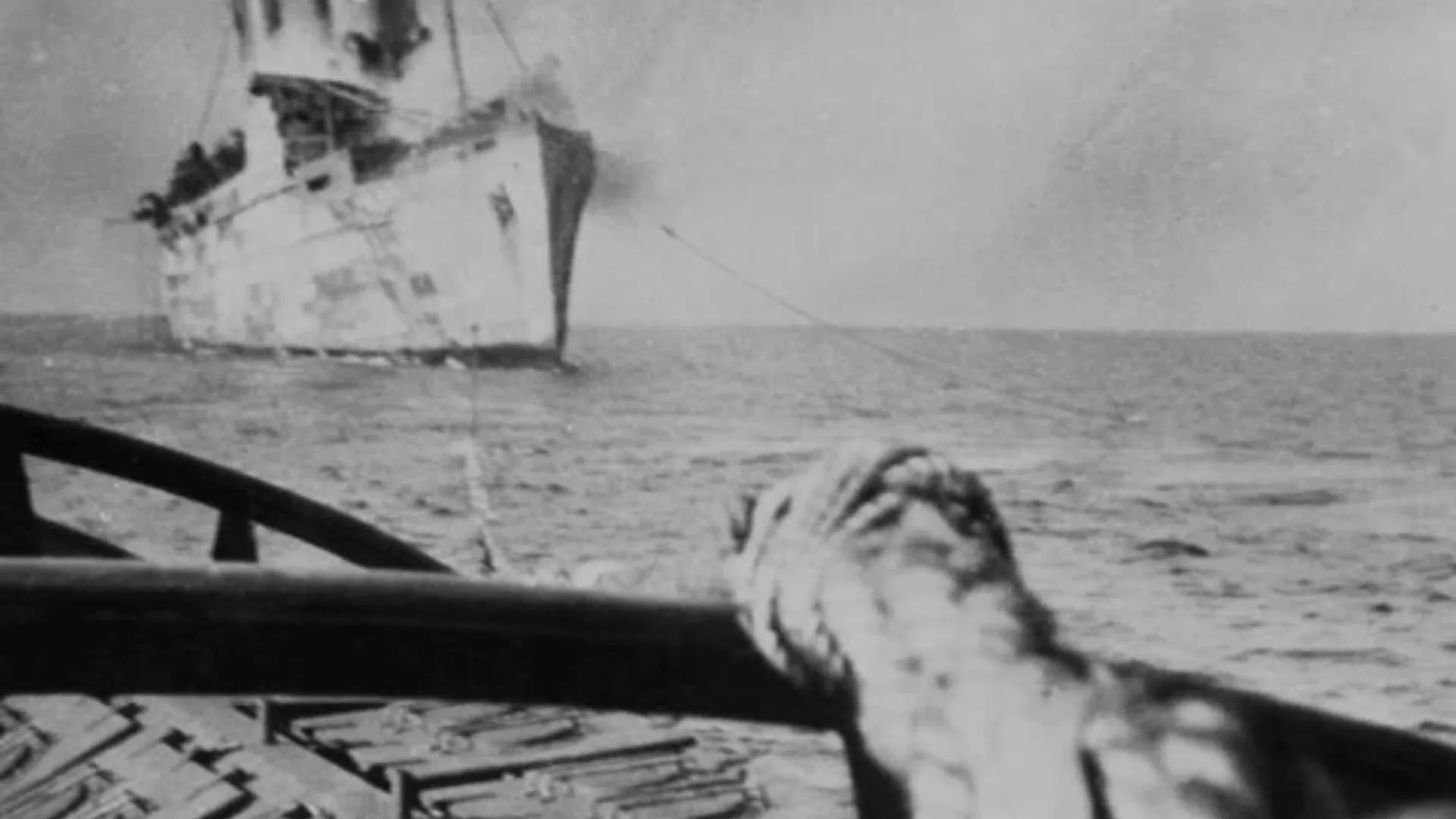
There were reports suggesting that the Empress was possibly assigned to transport gold from Cape Town, to England due to a lack of ships instead of its typical journey to Sydneys port route got popular attention after salvagers found the ship in 1995 and noticed significant damage to most parts of the ship except, for the bullion room which was untouched.
The salvagers made a discovery, in the bullion room. A skeleton. No gold to be found anywhere nearby! Its believed that the gold was taken away during the chaos of the ship fire and evacuation process. The puzzling disappearance of the gold only deepens the story of the Empress of Britain shipwreck. A narrative that continues to captivate both maritime historians and treasure seekers alike.
Conclusion and Legacy
The RMS Empress of Britain sinking during World War II serves as a reminder of the dangers encountered in that era of history.it was more, than a vessel. It represented a time of grace and excitement that has passed.her tragic end underscores the courage and determination of those who were on board, during that turbulent period.

The Empress of Britain is famous, for more than her features and remarkable details; she is also remembered for the tragic loss of lives during her sinking incident. Tributes and narratives about her tale persist to this day. Keep her memory alive, in the pages of history.
FAQs
- What caused the sinking of the RMS Empress of Britain?
The Empress of Britain sank after being hit by two torpedoes fired by the German U-boat U-32 during World War II. - How many passengers were on board during the sinking?
There were 643 passengers and crew members aboard the Empress of Britain at the time of the attack. - Was there any gold on board the Empress of Britain?
While there was speculation about gold being transported, salvagers found no gold in the bullion room after the sinking. - Where did the Empress of Britain sink?
The ship sank off Bloody Foreland, County Donegal, Ireland, in 525 feet of water.


