


Read about the MV Monte Cervante, a German Cruise Liner that was filmed sinking off the coast of Australia, from her glamorous origins to the events on the day she went down.
Watch the detailed story of the tragic tale of the MV Monte Cervantes YouTube video below
Prefer listening to a podcast conversation about this article?
Table of Contents
- Introduction to the MV Monte Cervantes
- Evacuation and Rescue Efforts
- The Aftermath of the Sinking
- Inquiry and Legal Proceedings
- Salvage Attempts and Final Resting Place
- Discovery of the Wreck
- Legacy and Current Status
- FAQs About the MV Monte Cervantes
Introduction to the MV Monte Cervantes
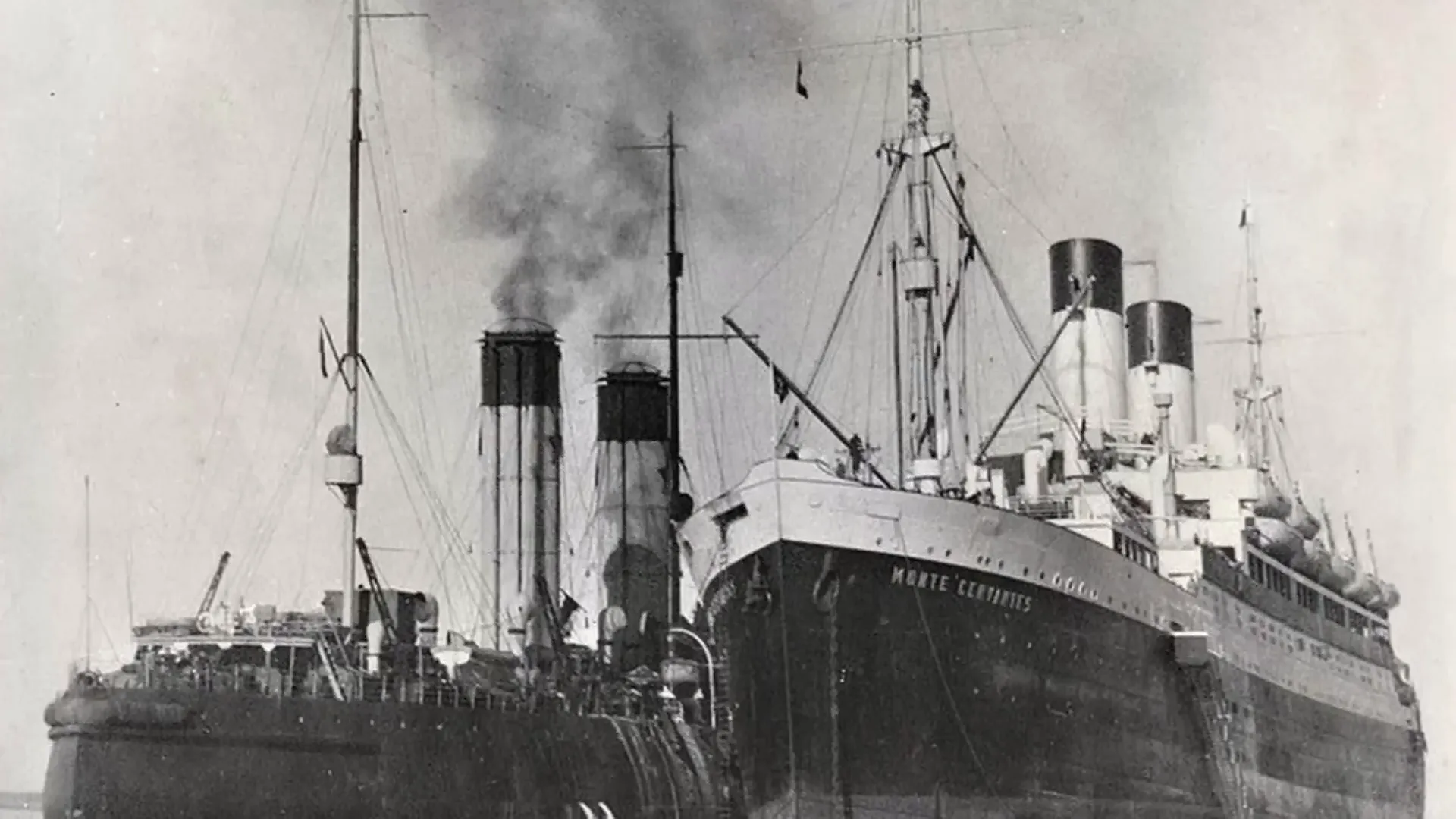
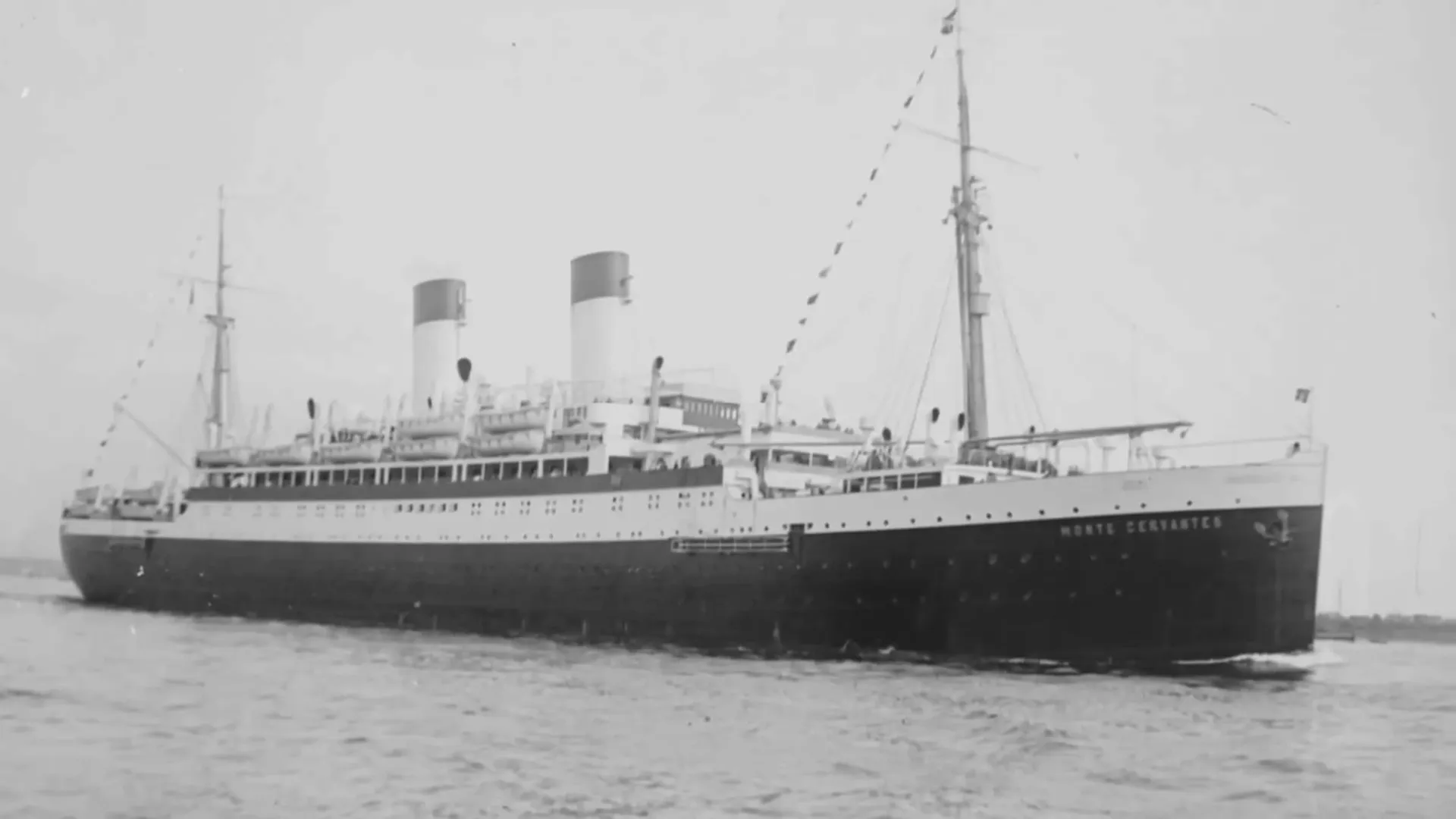
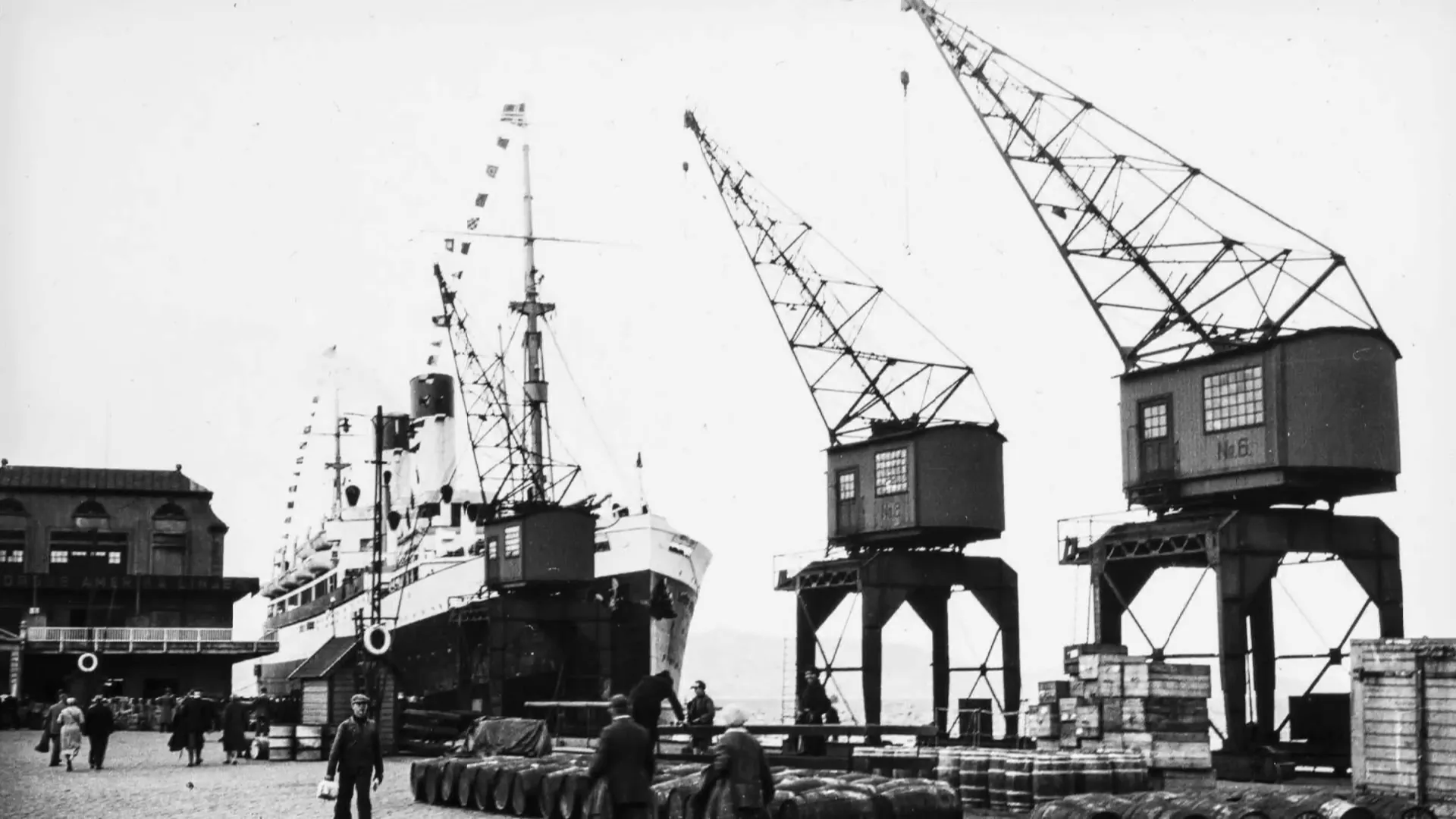
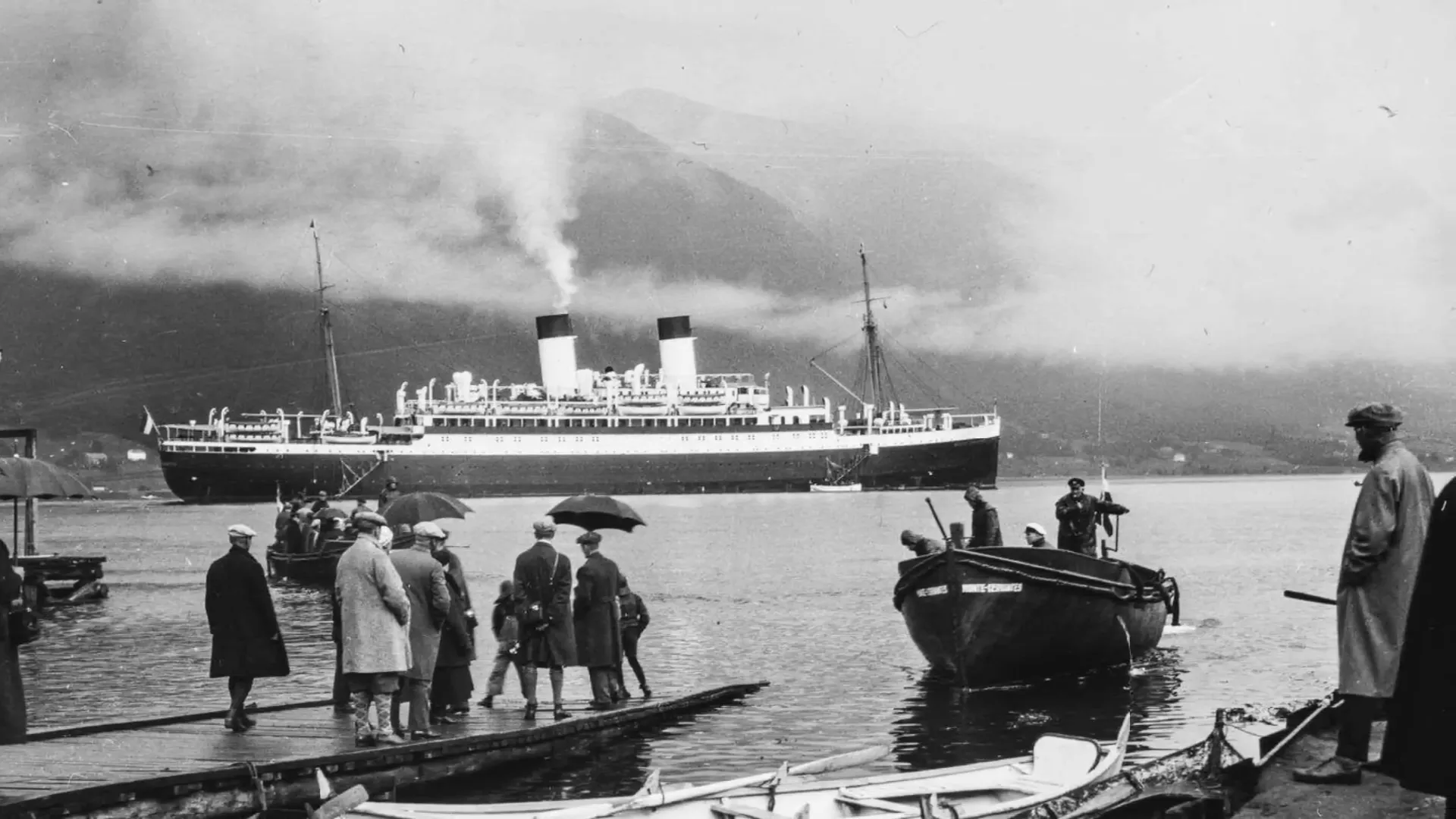
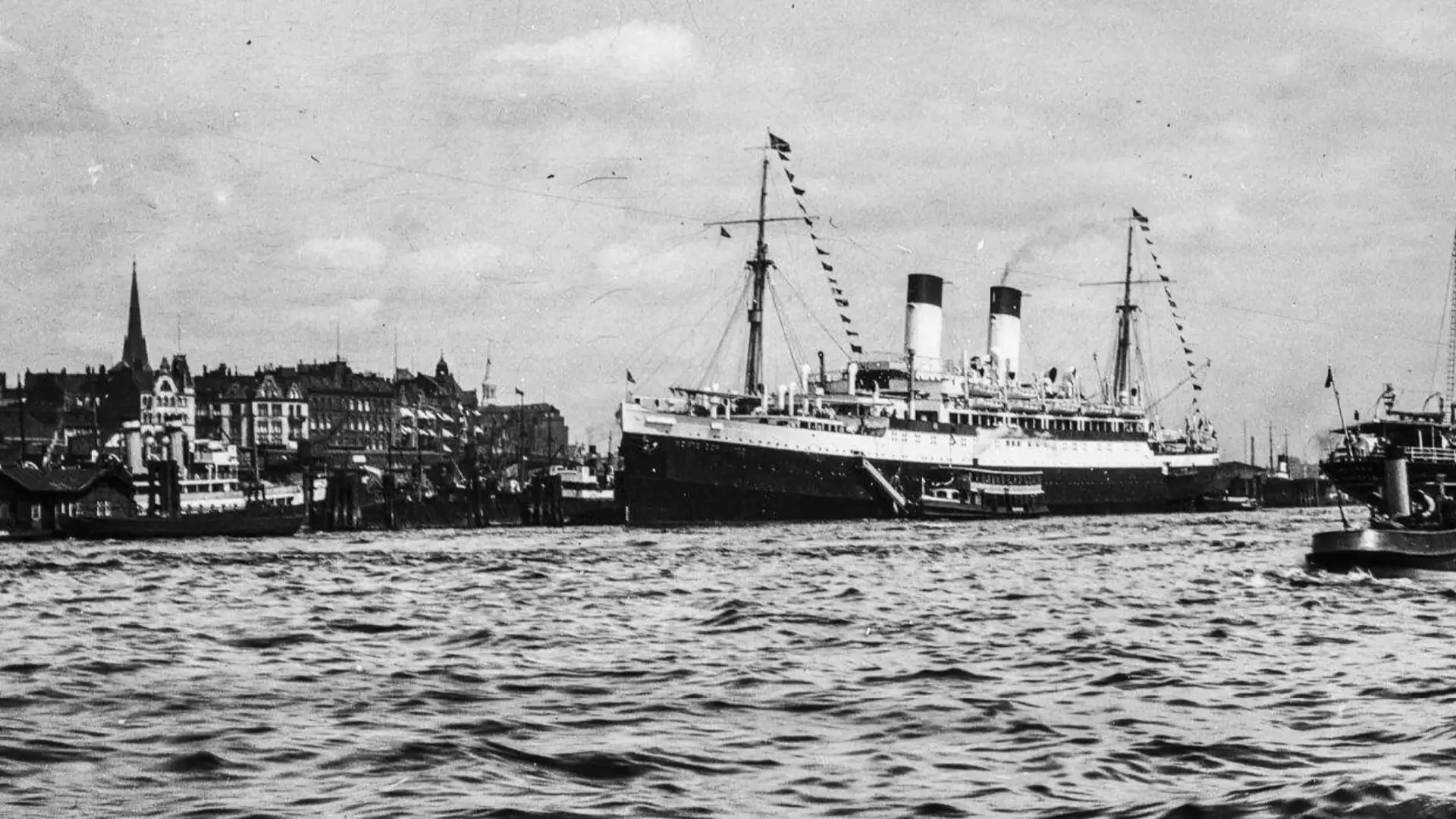
The MV Monte Cervantes holds a unique place in maritime history, not only for her tragic fate but also for the luxurious experiences she offered her passengers. Launched in 1927, she was part of the esteemed Monte class of ocean liners operated by the Hamburg South American Line. This vessel was designed to connect Europe with South America, providing a vital link between the two continents during a time when ocean travel was the epitome of luxury.
Construction and Specifications
Constructed by the renowned shipbuilders Blom & Voss in Hamburg, the Monte Cervantes was a marvel of her time. She boasted a gross tonnage of 13,915 tons and a beam of 20 meters, making her a substantial presence on the high seas. Equipped with twin screw propellers, she could achieve a cruising speed of 14 knots, allowing her to traverse the Atlantic with relative speed.
The ship was no mere utility: she was a mobile palace. In a nod to the needs of the genteel traveller, modern services were provided for her passengers, with comfort and luxury as the order of the day. Her interior was expensively appointed, with long promenade decks, grand dining rooms and a magnificent smoking salon.
Initial Voyages and Luxury Features
Upon entry into service on 3 January 1928, the Monte Cervantes became an immediate hit with passengers as she was put into service running between Hamburg and Rio de Janeiro and Buenos Aires, the southern capitals of South America. Here she served on regular cruise schedules, but was soon diversifying by taking on entertainment cruises.
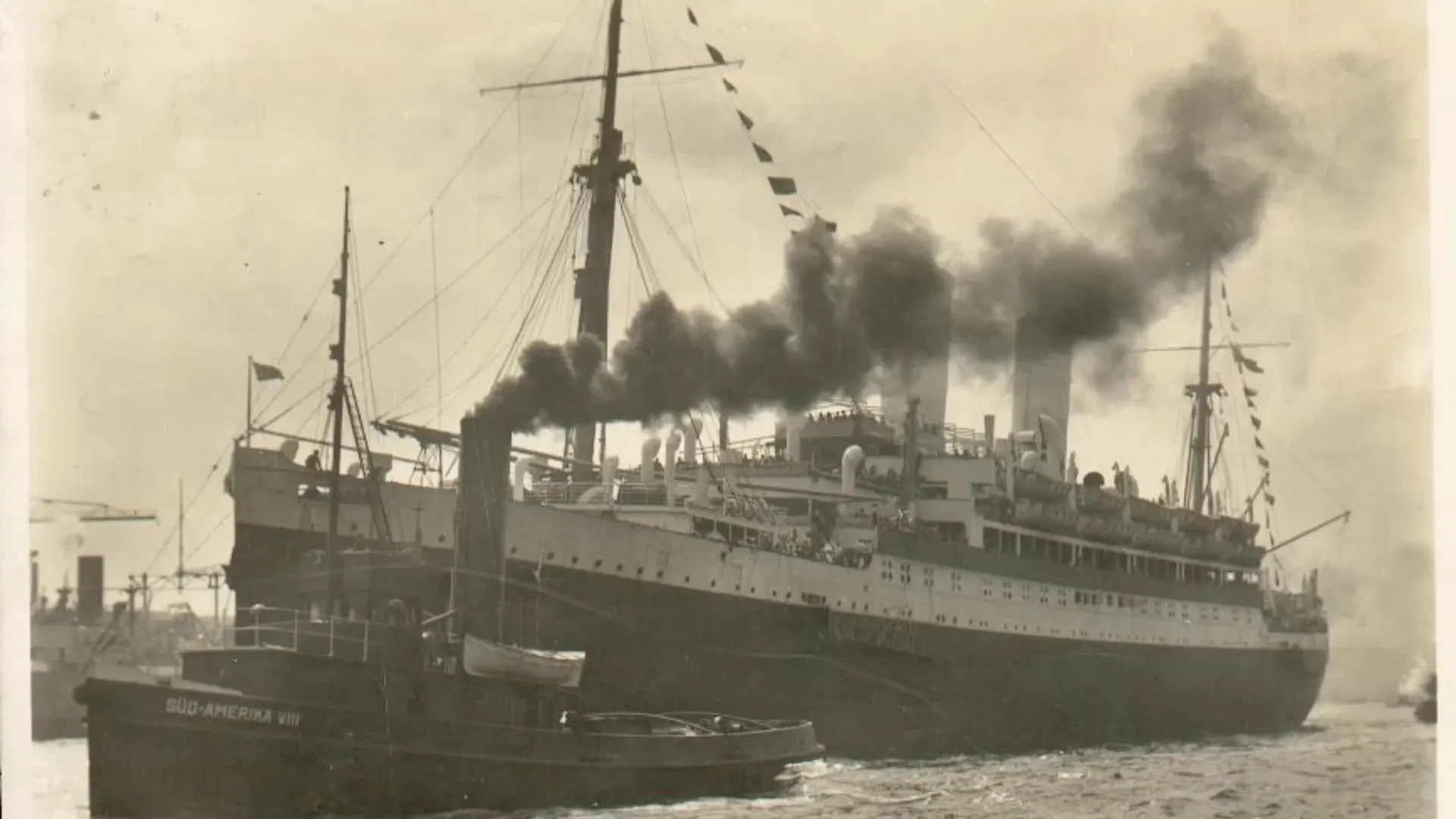
The ship was designed to carry up to 2,492 passengers, but to ensure a more comfortable journey, this number was reduced to around 1,750. This decision allowed for a more spacious environment where passengers could enjoy the various amenities available onboard. Cabins were categorised by price, with the most luxurious options featuring running water and private facilities, while dormitory-style sleeping halls provided affordable accommodation for those on a budget.
The Maiden Voyage
On January 7, 1928, the Monte Cervantes embarked on her maiden voyage under the command of Captain Meyer. The excitement among passengers was palpable as the ship set sail from Hamburg towards La Plata, Argentina. This journey marked the beginning of many memorable voyages, with the ship soon becoming synonymous with elegance and comfort.
The Iceberg Incident
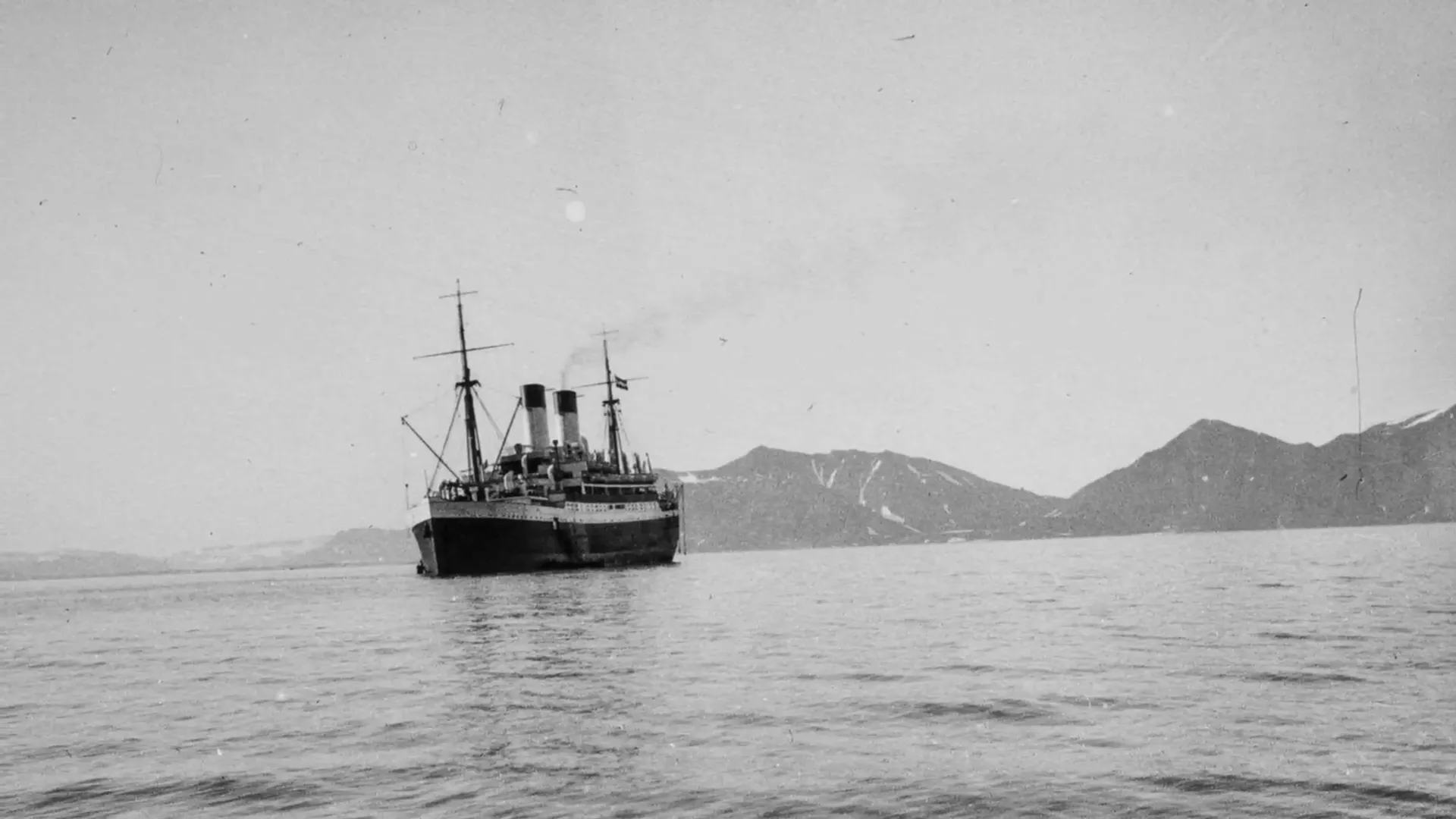
But the luster of the Monte Cervantes didn’t last long. On 24 July 1928, while it was sailing through ice pack off Norway, it struck an invisible small iceberg, or so the official report of the disaster was. There was a gash in the hull around 80ft long, and water was accumulating in the lower decks.
With almost 1,800 people on board, the crew took immediate action. They manoeuvred the ship around the icebergs towards Spitsbergen in order to find a suitable anchorage. Passing by the Soviet icebreaker Crin, they sent a distress signal.
The Fateful Journey to South America
When the Monte Cervante set sail again in early 1930, on a South American voyage commanded by Captain Theodore Dryer, it might have been with a sense of deja vu. After successful stops at Puerto Madryn and Punta Arenas, the ship headed for its next port of call, through the Beagle Channel, with some trepidation.
On 22 January, Monte Cervante weighed anchor and set sail for Yaya Bay. The captain steered a course through dangerous channels, awash with seaweed and a myriad of small islands. Yet despite the peril, the ship was well-manned.
Collision with the Unmarked Rock
Around 12:40 in the afternoon, the lookout sighted a rock under water just ahead of them. The captain gave orders for an immediate change of course, but it was too late. The ship struck the uncharted rock and ripped a hole in its outer skin.
The damage was devastating. Water poured into the ship, and chaos erupted on the decks. Panic spread among the passengers as the vessel began listing. Crewmembers slammed down hatches, but it was already too late. The bow was soaked by water leaking into the cargo hold and the steerage.
Despite their panic, the crew told the passengers that the lifeboats would be enough to accommodate them. Meanwhile, the evacuation was under way, and the crew worked hard until all 1,117 of the passengers and 255 members of the crew were loaded into lifeboasts, ready to brace the elements for survival.
Evacuation and Rescue Efforts
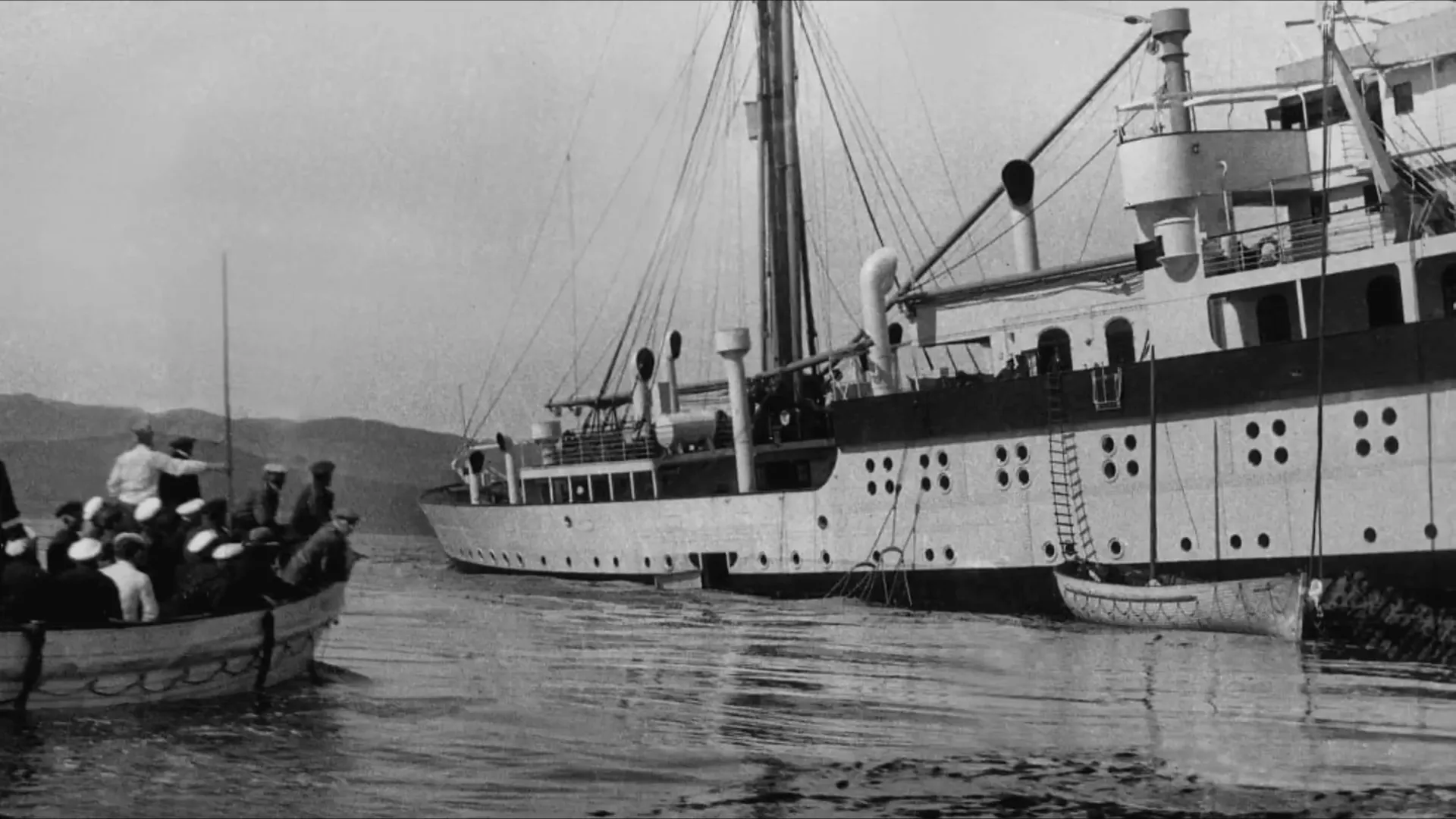
As you’ve probably guessed, what ensued was quite chaotic: initially, those onboard could only stare at the submerged rock. Eventually, panic set in as the list worsened. The crew was prompt, determined, disciplined and unyielding. They assured the passengers that the lifeboats would be in place, and the evacuation would continue.
For 1,117 passengers and 255 crew, the stakes could not have been higher. Lifeboats were loaded. ‘Gently away over the side! Into the lifeboats as quickly as possible – every available seat will be filled,’ the crew shouted over the crowd of terrified passengers. A small comfort: each boat could accommodate 500 people more.
Once in the lifeboats, the struggle for safety began. The passengers faced immense challenges as they rowed against fierce winds and towering waves. One passenger later described the terrifying experience: “The waves lifted us to heights of 10 meters, only to let us plunge back into deep troughs.” These harrowing moments tested the resolve of everyone involved.
As the SOS signal was sent, help was on the way. The Argentine freighter Vicente Fidel Lopez, having received the distress call, set out to assist. However, on her way, she encountered her own issues, which delayed rescue efforts. Meanwhile, the crew of the Monte Cervantes gathered the passengers’ valuables, ensuring that their belongings were not lost to the sea.
Challenges During Evacuation
The rescue wasn’t without drama: some lifeboats drifted off course and found themselves in far-flung locations, and passengers from them had to hike through dense forests to reach Ushuaia (population 800 in 1914), where the sudden influx of nearly 1,200 people quickly overwhelmed the small town.
Yet rescue efforts continued until the Vicente Fidel Lopez, carrying close to 800 passengers, headed for Durban harbour. The story of rescue is one of courage and commitment on the part of all the people involved. The remaining crew remained aboard, hoping the ship could be refloated, but the Monte Cervantes continued to roll, taking in water by the feet.
The Aftermath of the Sinking
Photo by RexFeaturesIt was the initial human wreckage to affect the town that welcomed these passengers. Ushuaia is used to overcrowding. It is accustomed to the movement of people around it. But this was different: the passengers were suddenly on Spanish soil, scattered across the town. Some had found refuge in the town prison.
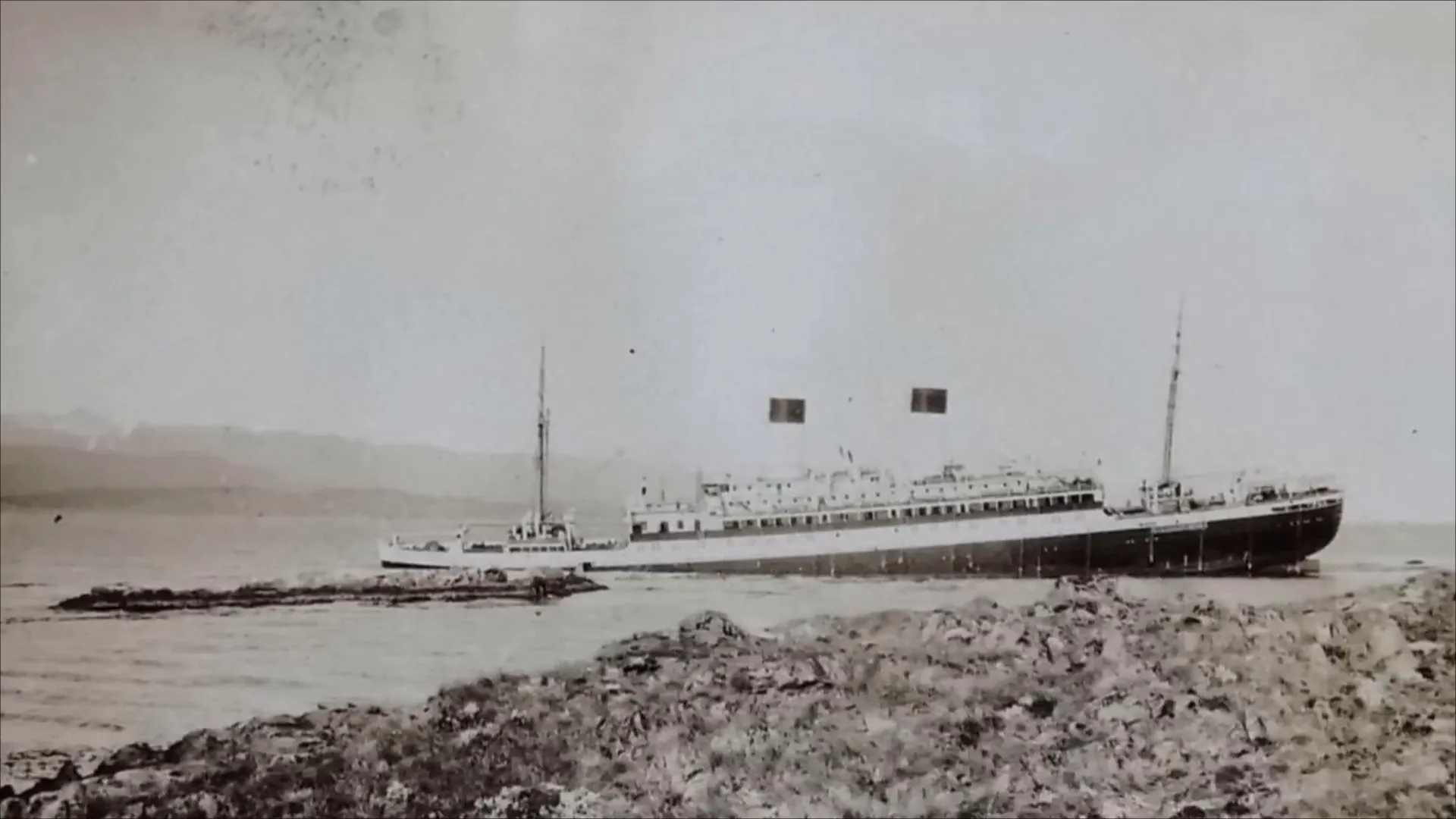
Meanwhile, the Monte Cervantes, which had been deliberately grounded to prevent her from sinking completely, was beached. The captain and his last crew managed to restart the engines, but it was clear the ship was doomed. The captain steeled himself to abandon the ship.
Captain Dryer’s Final Moments
The captain, Theodore Dryer, was a veteran mariner who elected to remain onboard, hoping to save her. Still, he was the only fatality of the disaster, as during the final huge quake the ship nosedived and he was killed.
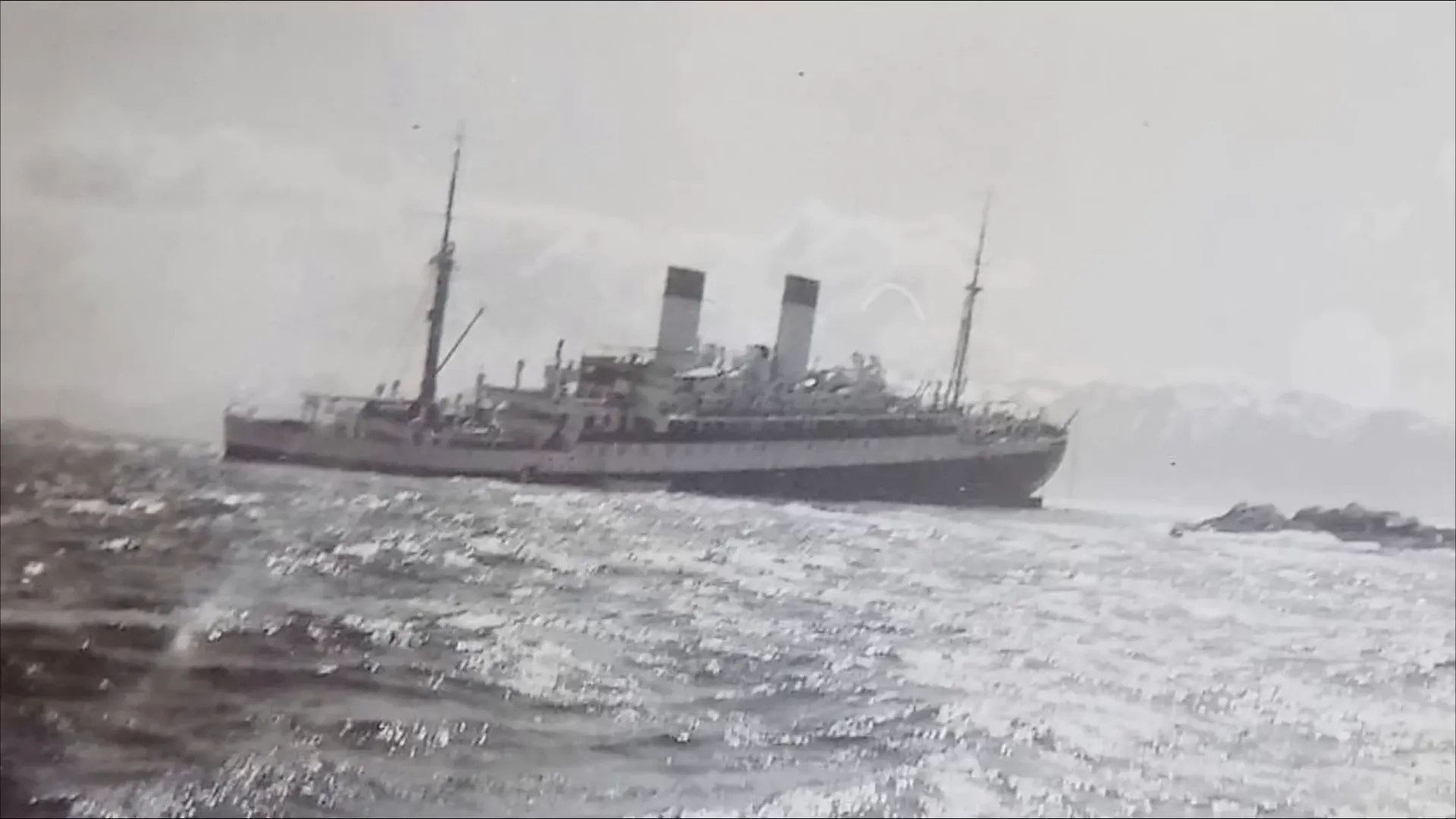
The other crewmen were forced to jump into the very cold waters, where they were picked up by launches waiting below. For weeks, they searched but were unable to find Dryer’s body, whose memory is poignant even today to people who have heard about this courageous sea captain and his final great endeavour into the deep sea.
Inquiry and Legal Proceedings
The sinking of the MV Monte Cervantes prompted an immediate inquiry into the events surrounding the tragedy. On March 6, 1930, a Marine Court in Hamburg convened to investigate the circumstances that led to the ship’s demise. The court meticulously examined the actions of Captain Dryer and his crew, ultimately clearing him of any blame for the accident.

Despite the verdict, the loss of the captain weighed heavily on the maritime community. His commitment to his passengers and crew was evident, and his tragic end underscored the risks faced by those in command of seafaring vessels. The court’s findings, while absolving the captain, did not erase the loss felt by the families and friends of those aboard the ill-fated ship.
Salvage Attempts and Final Resting Place
For over 20 years, the wreck of the Monte Cervantes lay relatively undisturbed on the rocky reef, a silent testament to the maritime disaster. However, with rising metal prices after World War II, the Italian salvage company Salvar obtained rights to the wreck site in 1951. Their plans for salvage were ambitious but faced numerous challenges.
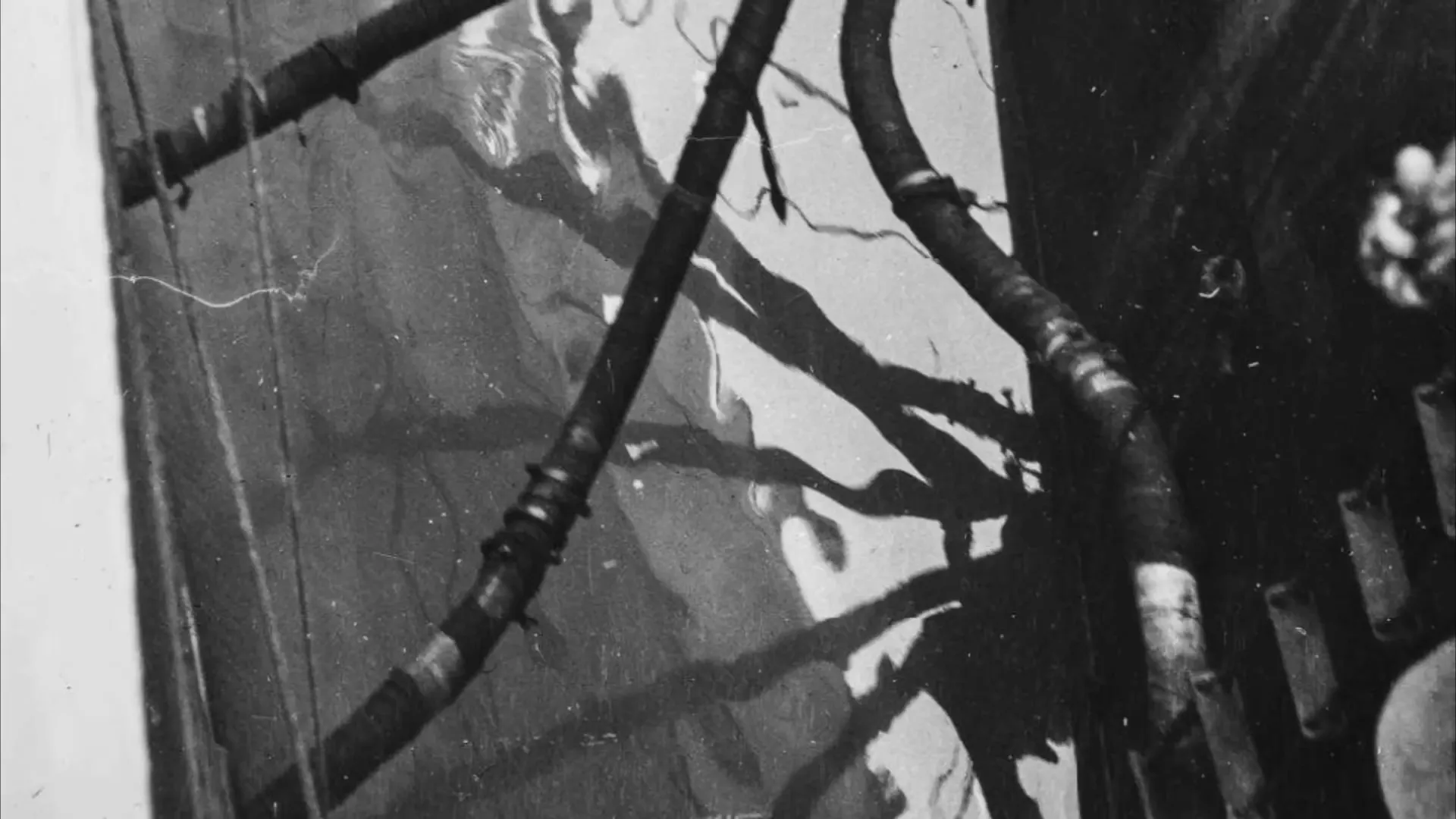
The salvage efforts were ultimately deemed impossible due to the ship’s precarious position and deteriorating condition. In 1954, a major attempt was made to tow the wreck to Ushuaia for dismantling. Unfortunately, the operation faced setbacks, and the Monte Cervantes once again slipped beneath the waves, marking her final resting place at a depth of 130 meters in the Beagle Channel.
Discovery of the Wreck
Years later, interest in the Monte Cervantes was rekindled when a film team from Spiegel TV embarked on an expedition to locate the wreck. In September 2000, they successfully discovered the stern section of the ship at a depth of 115 meters. This marked the first exploration of the hull in over 70 years, a significant moment for maritime historians and enthusiasts alike.
The wreck was inspected by an ROV, and some minor decorative items were collected, including one bottle of red wine, two wine glasses, two ashtrays and a pair of chandeliers, which reside today at the Museum at the End of the World in Ushuaia.
Legacy and Current Status
The Monte Cervante is a magnet for divers today, a portal to the past, a way to explore the skeletal remains of a luxury ocean liner that sank after running aground. The Monte Cervante is an opportunity to immerse oneself in a maritime history and explore the mysteries of the deep where 185 migrants died preparing to flee Mozambique.
Furthermore, the doomed tugboat St Christopher, which became a memorial marker in the channel, lies rusting in the grasses near Ushuaia, her name and home lost to the sea. Her story is still being told today, as an example of the problems that can arise when human ambition clashes with the raw power of the sea.
FAQs About the MV Monte Cervantes
What caused the sinking of the MV Monte Cervantes?
The MV Monte Cervantes was wrecked when she struck an uncharted rock in the Beagle Channel, spilling her lower holds and making her unnavigable.
How many people were on board during the sinking?
There were 1,117 passengers (a significant number) and 255 crew members aboard the MV Monte Cervantes at the time of the sinking; however, this tragic event marked a pivotal moment in maritime history. Although many factors contributed to the disaster, it’s essential to understand the circumstances surrounding it. Because of the sheer volume of individuals on board, rescue efforts became increasingly complicated. But, despite these challenges, the response to the catastrophe was remarkable in its own right.
What happened to Captain Theodore Dryer?
Captain Dryer stayed with the ship, drowned as it was sinking – he is the only fatality of the disaster.
Is the wreck of the MV Monte Cervantes accessible for diving?
Yes, it attracts diving enthusiasts to the area, including those interested in maritime history and the history of the ship.
What artifacts were recovered from the wreck?
Among them, three decorative bottles of red wine, three wine glasses, ashtrays, and chandeliers; all three are now housed at the Museum at the End of the World in Ushuaia.


