


Rather listening to the podcast of this article? Click on the audio player below…
Introduction to the RMS Olympic and Titanic Disaster
It’s Jamie from Old Shipping Lines, and welcome back to a new video, a special one.
In this special video, we delve into the intriguing history of the RMS Olympic, a prominent vessel of the White Star Line. While the Olympic’s story is well-known, today we focus on a pivotal moment in maritime history—the night her sister ship, the RMS Titanic, tragically sank. This discussion will explore the Olympic’s location during that fateful night and the immediate aftermath of the disaster, shedding light on how these events impacted the Olympic.
Joining the conversation is Liam Sharp, a distinguished historian and modeler, known for his work with the YouTube channel Ocean Liner Designs and the game Grand Voyage. Liam will provide insights into the Olympic’s actions on that night, while Jamie will discuss the subsequent effects on the ship.
The video is structured into two parts, offering a comprehensive look at the Olympic’s role and the broader implications of the Titanic disaster.
Rather listen to the podcast of this article?
The Night of the Titanic Sinking
In April 1912, the RMS Titanic embarked on her maiden voyage from Southampton to New York. On the night of April 14th, disaster struck when the Titanic collided with an iceberg at 11:40 PM. Shortly after midnight on April 15th, Captain Smith was informed by designer Thomas Andrews that the ship was doomed. The forward compartments were flooding uncontrollably, exceeding the ship’s design limits.
The Titanic collided with an iceberg, and shortly after midnight on April fifteenth nineteen twelve, ship’s time, captain Smith was informed by designer Thomas Andrews that the ship was doomed.
Captain Smith ordered distress signals to be sent and lifeboats to be prepared. Meanwhile, the RMS Olympic, Titanic’s sister ship, received a distress message at 10:50 PM New York time, indicating that the Titanic was in trouble. Initially, atmospheric interference made it difficult to confirm the situation, but it soon became clear that the Titanic was indeed signaling distress.
The RMS Olympic had barely been out of New York for more than a day when at ten fifty PM on Sunday, April fourteenth nineteen twelve, New York time, she received a wireless message that the Titanic was signaling distress after striking an iceberg.
Captain Haddock of the Olympic calculated a course to assist the Titanic, ordering full power to the engines. However, the Olympic was 505 miles away, making it impossible to reach the Titanic in time. As the Titanic’s bow sank lower, distress messages continued, urging the preparation of lifeboats and requesting positions.
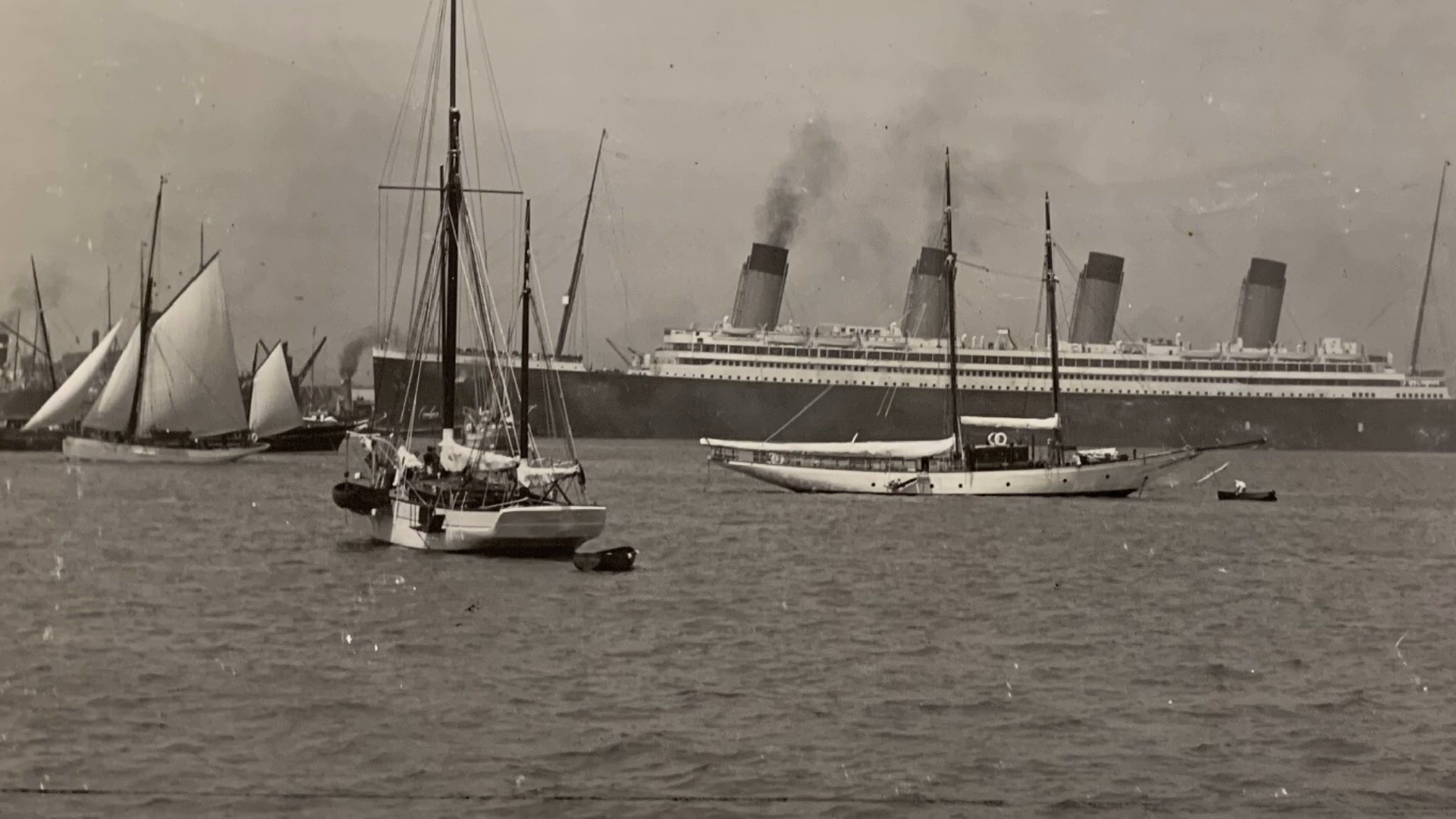
Olympic’s Race to the Titanic
The RMS Olympic, sister ship to the Titanic, was thrust into action upon receiving distress signals from the doomed liner. Captain Haddock of the Olympic was quick to respond, signaling his intent to assist by letting up all available boilers as swiftly as possible. Despite the urgency, the Olympic faced significant challenges due to the distance and time required to reach the Titanic.
At eleven ten PM or approximately one AM local time, the Titanic reported her position as forty one forty six North fifty fourteen West stating we have struck an iceberg.
The Titanic’s position was reported late at night, and by the early hours of April 15, 1912, the situation had worsened. The Titanic’s forecastle was submerged, and the ship was rapidly sinking. The Olympic, meanwhile, was still in the process of building up steam, a task that would take approximately twelve hours for all additional boilers to become fully operational.
Communication between the Olympic and Titanic was frequent but ultimately futile. Despite repeated calls between 4:15 AM and 5:20 AM, the Olympic received no response from the Titanic. By 7:45 AM New York time, the Olympic was still 310 miles away, having covered 195 miles in eight and a half hours at a speed just under 23 knots. This slower pace was due to the time needed for the boilers to reach optimal pressure.
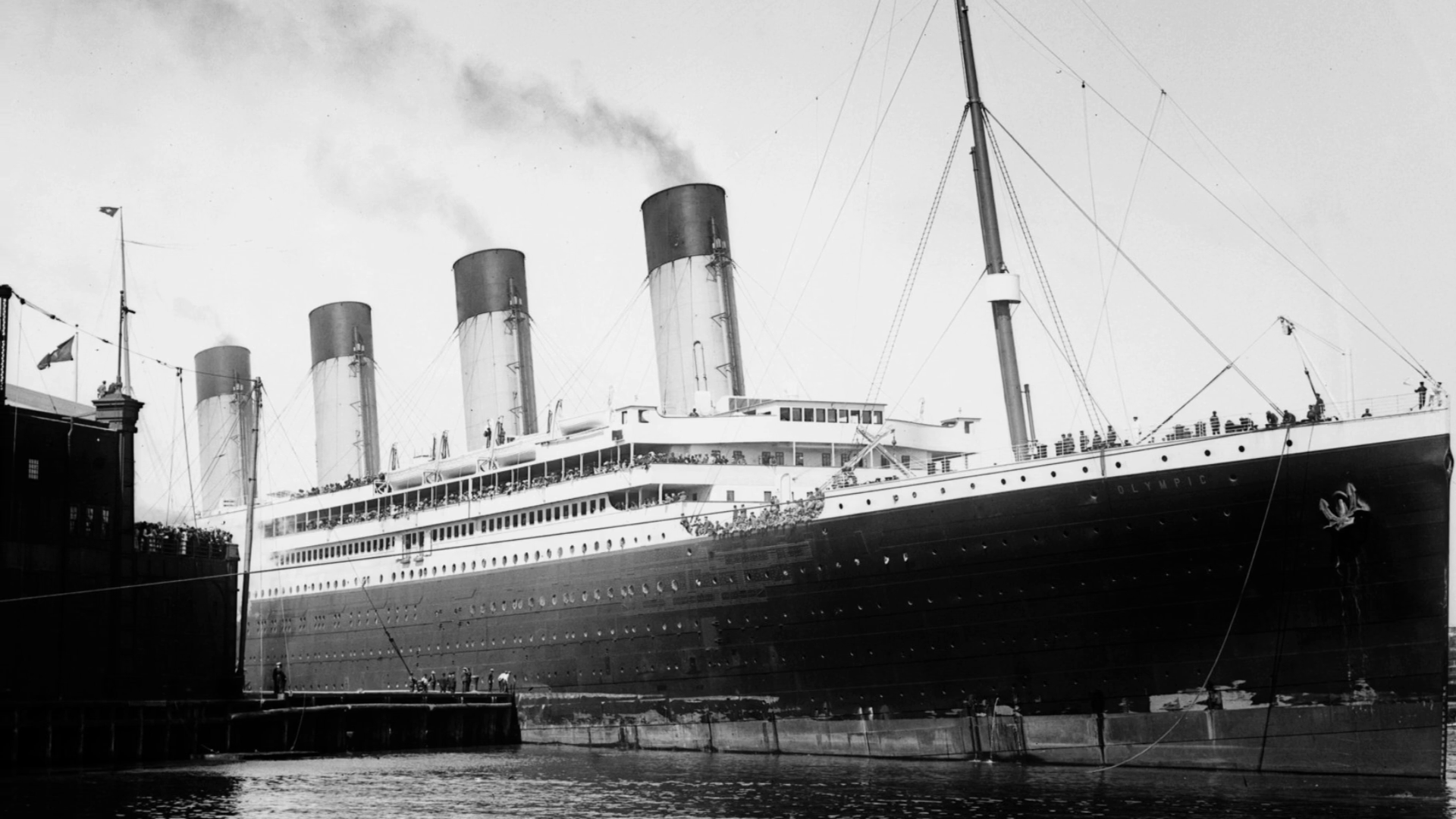
Later that night, Captain Rostron of the RMS Carpathia, which had arrived at the scene, informed the Olympic that continuing towards the Titanic would be futile. The Carpathia had already begun rescue operations, and the Olympic’s assistance was no longer required.
Aftermath and Impact on the RMS Olympic
The aftermath of the Titanic disaster had a profound impact on the RMS Olympic and its crew. The Olympic arrived at Southampton docks by 2 AM on April 21, 1912, approximately a day late despite a fourteen-hour high-speed run.
“The Olympic arrived in Southampton docks by two AM on April twenty first nineteen twelve, approximately a day late despite her fourteen hour high speed run.”
Captain Haddock, who was deeply distressed by the tragic news of the Titanic, was reported to be exhausted from the intense efforts over the past 24 hours. The Daily Mirror noted on April 22, 1912, that he slept through the entire morning after the full details of the tragedy reached him the previous day in Plymouth.
The public and media reaction to the Olympic’s efforts was mixed. While some praised the ship’s attempt to assist, others criticized Captain Haddock for not reaching the Titanic in time. The Olympic’s wireless room had served as a clearinghouse for radio messages, and although the ship offered to take on Titanic’s survivors from the Carpathia, the offer was declined to avoid additional stress for the survivors.
The disaster led to significant changes in maritime safety measures, including lifeboat provisions. The incident highlighted the need for sufficient lifeboats for all passengers, a lesson learned from the Titanic’s insufficient lifeboat capacity.
Criticism and defense of Captain Haddock’s actions were prevalent. Some passengers on the Olympic noticed the ship’s sharp turn and felt a sense of anxiety, while others were unaware of the situation until later. Testimonials from passengers like Uhra and novelist R.H. Benson provide insight into the atmosphere on board during the event.
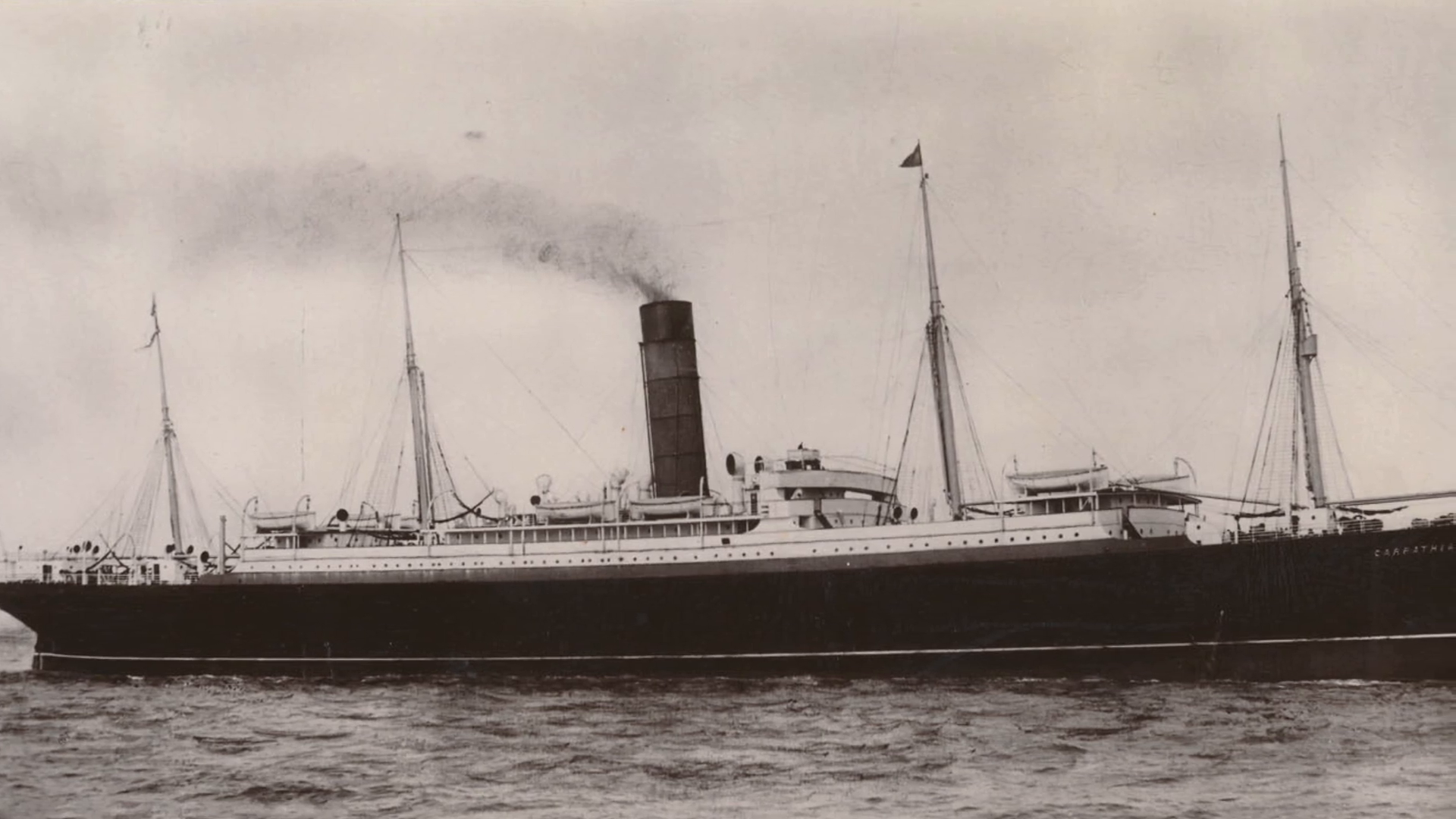
The Mutiny on the RMS Olympic
The RMS Olympic faced a significant challenge shortly after the Titanic disaster. A mutiny was brewing among the crew, driven by concerns over inadequate lifeboat provisions and safety measures. The White Star Line, responsible for the Olympic, was under pressure to address these issues promptly.
Captain Haddock, who had been at the center of controversy due to misleading reports about the Titanic’s passengers, was also involved in managing the situation on the Olympic. The New York Times highlighted the urgency of the situation with a headline on April 23rd, stating, “rush to make Olympics safe.”
The New York Times published an article on April twenty third, the day before sailing, with the headline, rush to make Olympics safe.
The crew’s demands were clear: they wanted better lifeboats and enhanced safety measures before setting sail. The White Star Line responded by arranging for additional collapsible lifeboats, sourced from nearby naval vessels, to be installed on the Olympic.
Captain Haddock played a crucial role in addressing the crew’s concerns. He assured them that all collapsible boats would be replaced with wooden lifeboats, a promise that helped to quell the brewing mutiny.
Curry assured the crew that all collapsible boats would be replaced with wooden lifeboats.
The resolution of this mutiny had a lasting impact on future voyages, as it underscored the importance of adequate safety measures and the need for clear communication between the crew and the ship’s management.
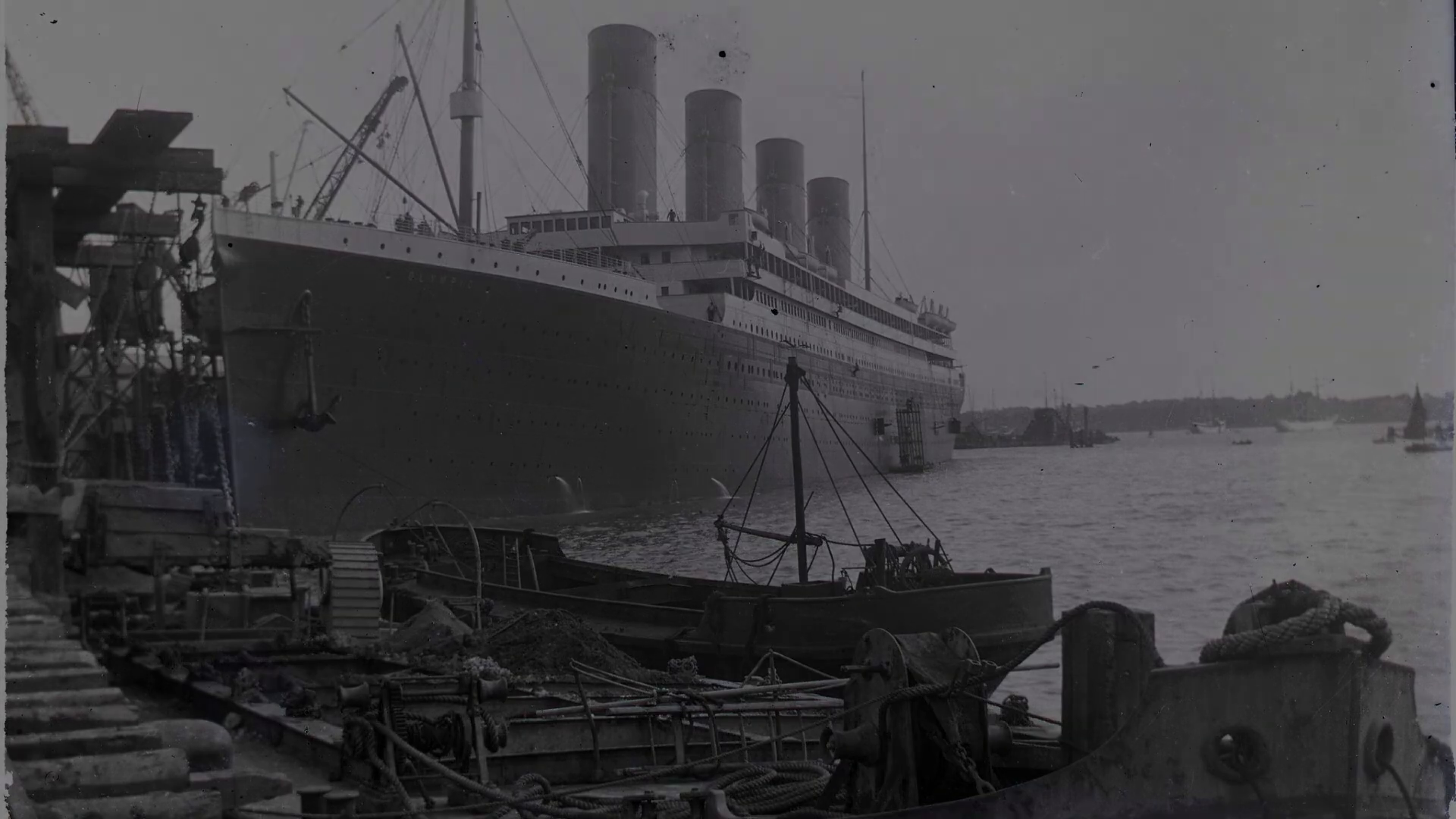
Legal Proceedings and Aftermath
The legal proceedings following the mutiny on the RMS Olympic were a significant event in maritime history. The trial began on Tuesday, April 30th, at the Portsmouth Police Court, where the accused crew members faced charges of willful disobedience to the lawful commands of Captain Haddock.
The trial commenced on Tuesday, April thirtieth at the Portsmouth Police Court where the accused men faced charges of willful disobedience to the lawful commands of captain Haddock.
During the proceedings, both sides presented their arguments. The defense argued that the crew’s actions were justified due to safety concerns over the collapsible lifeboats, while the prosecution maintained that the crew’s refusal to follow orders constituted mutiny.
The verdict, announced on May 5th, favored the White Star Line, reinforcing the company’s authority and the importance of maintaining discipline aboard its vessels.
The verdict, announced on May fifth, favored the White Star Line.
This outcome had a notable impact on the White Star Line’s reputation, as it underscored the company’s commitment to safety and order, despite the challenges faced during the mutiny.
In preparation for the British Board of Trade inquiry, the company took steps to address the concerns raised by the crew, including replacing the collapsible boats with conventional lifeboats. This move was part of a broader effort to restore confidence in the safety measures aboard the Olympic and other vessels in the fleet.
Restoration and Future of the RMS Olympic
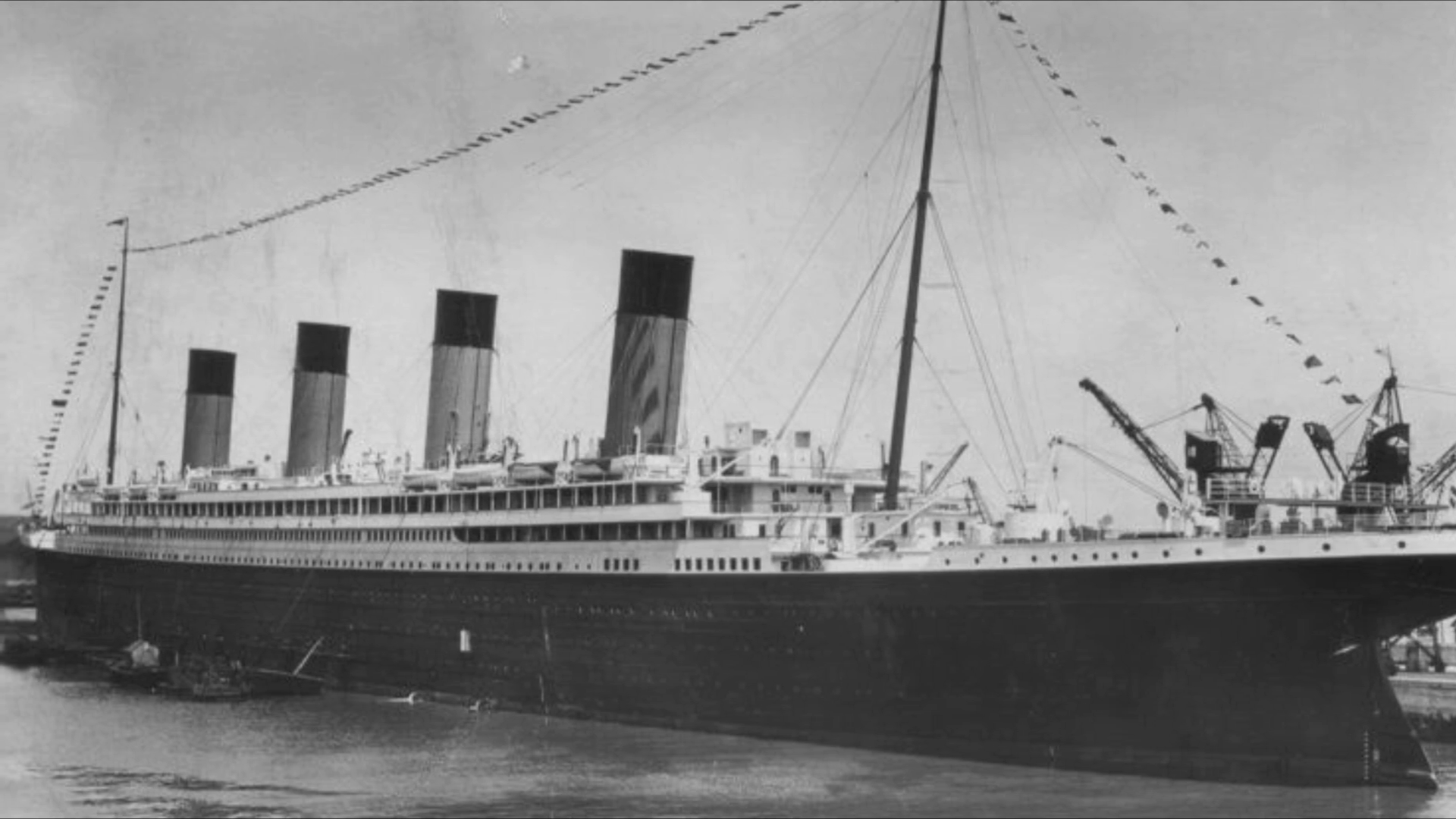
Efforts to restore the RMS Olympic’s reputation were crucial following the Titanic disaster. The ship underwent significant changes, including the installation of new lifeboats and enhanced safety measures to reassure passengers and crew alike. These modifications were part of a broader strategy to ensure the Olympic’s return to service was both safe and successful.
The Olympic remained docked until the fifteenth of the following month, during which time Lord Mercy visited the ship while she was stationed in Southampton. This period allowed for the necessary updates and inspections to be completed, ensuring compliance with new safety standards.
The ship’s return to service was marked by a renewed commitment to safety and reliability. The Olympic resumed its voyages with a union-approved crew and lifeboats, setting sail on May fifteenth. This return was not just a logistical necessity but also a symbolic gesture of resilience and recovery.
Reflections on the Olympic’s legacy post-Titanic disaster highlight the ship’s role in advancing maritime safety. The lessons learned from the Titanic’s tragic fate were instrumental in shaping the future of ocean travel, with the Olympic serving as a testament to these changes.
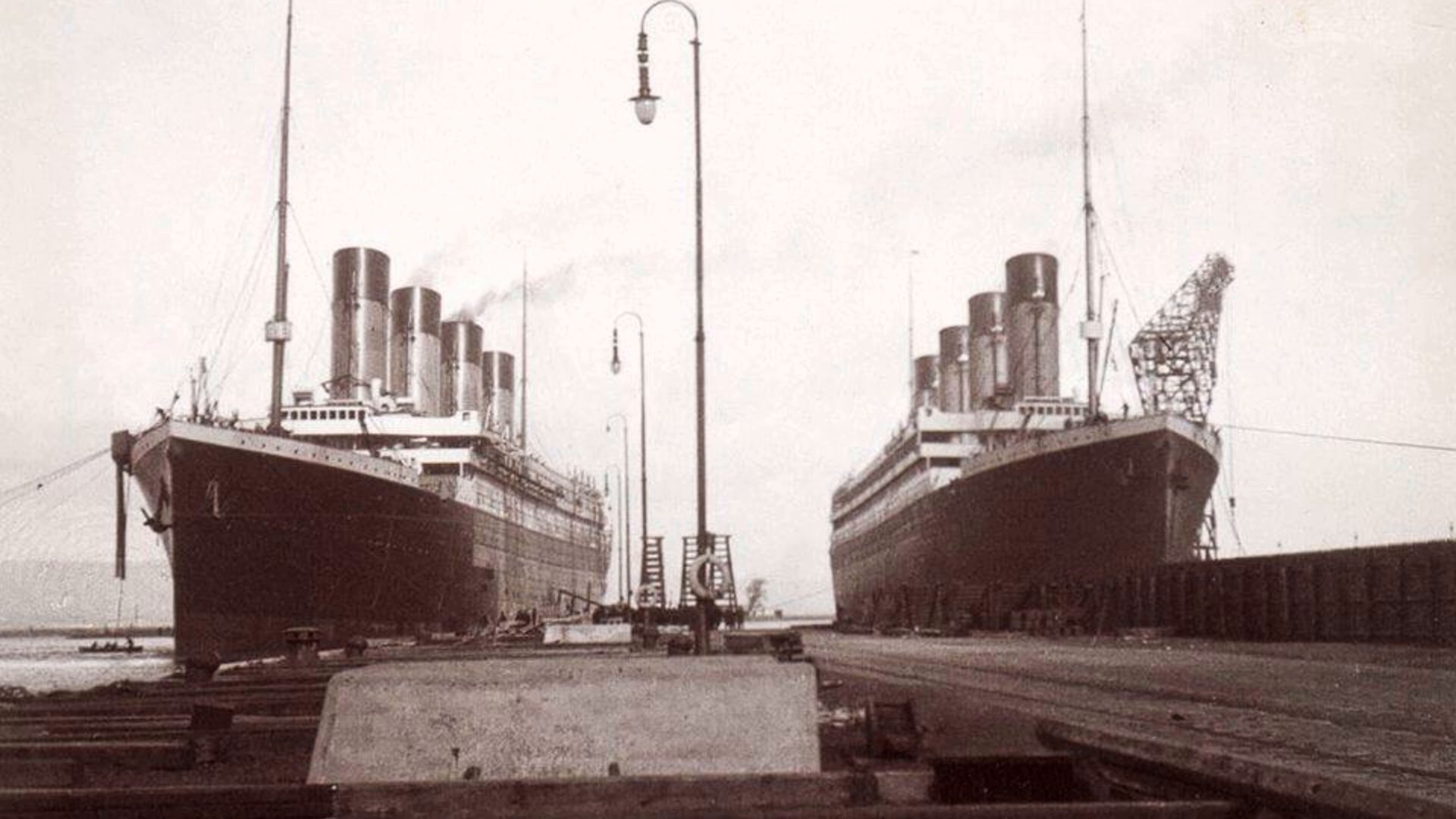
The Olympic returned to Southampton to disembark her passengers and would remain there until her next scheduled voyage with union approved boats and crew on May fifteenth.
Conclusion and Reflections
The journey of the RMS Olympic during and after the Titanic disaster is a compelling narrative of resilience and adaptation. The Olympic faced numerous challenges, from the mutiny of its crew to the scrutiny of legal proceedings, all while under the shadow of the Titanic’s tragic sinking. These events tested the mettle of both the crew and the White Star Line, demanding decisive actions to restore credibility and ensure safety.
The legacy of the Olympic in maritime history is marked by its ability to navigate through adversity. The ship’s story is not just about overcoming immediate challenges but also about the broader implications for maritime safety and the evolution of ship management practices.
In reflecting on these events, it is clear that the Olympic’s story is one of perseverance and transformation. The ship’s ability to continue its voyages and maintain its place in history is a testament to the dedication of those who served aboard and managed her.
Thank you all so very much for watching. I hope you guys enjoyed it. Now if you liked what you saw, please consider subscribing to the channel as that would help out the channel a lot.
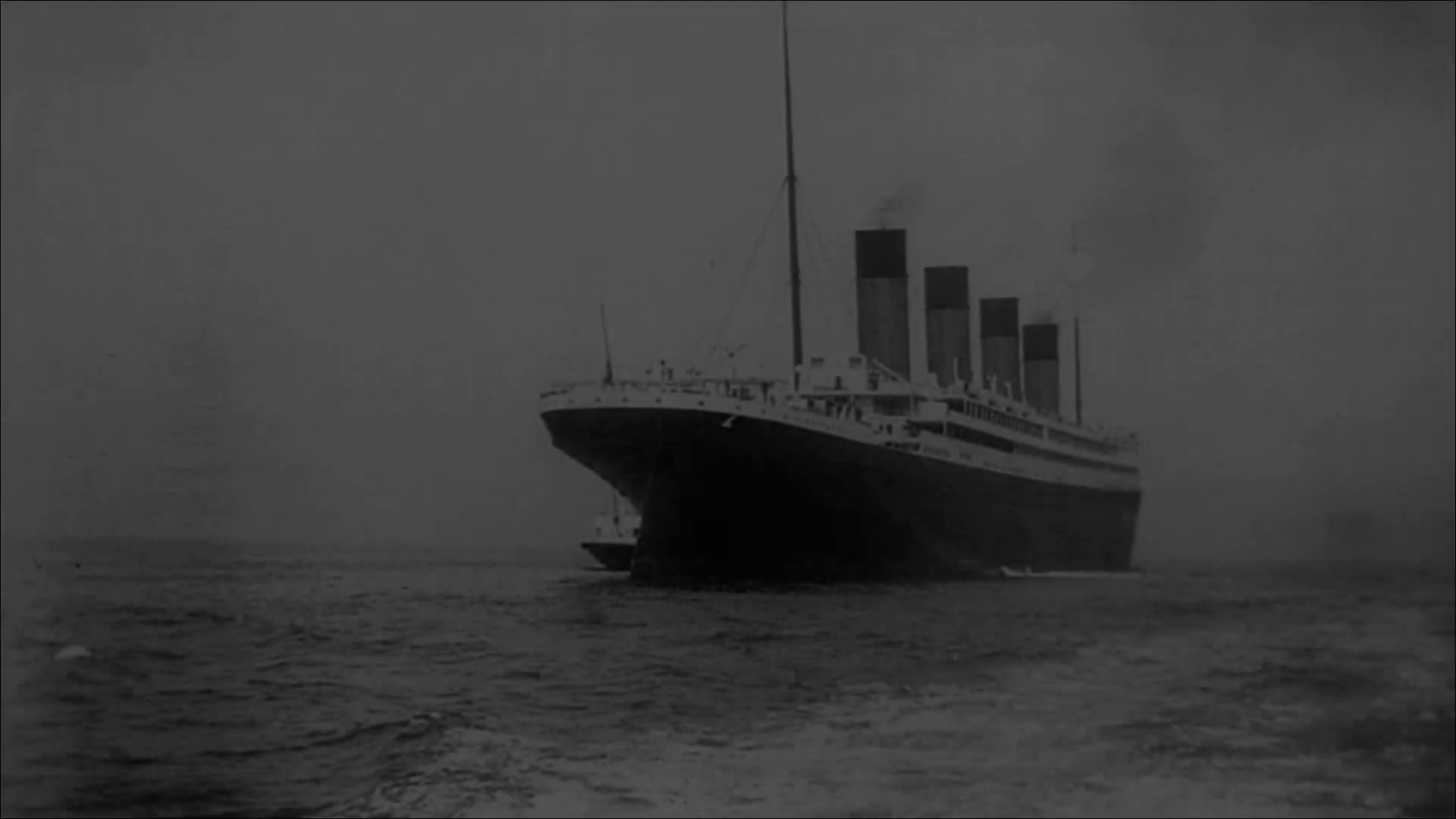
The Olympic’s story continues to captivate and inspire, reminding us of the enduring spirit of exploration and the relentless pursuit of progress in the face of adversity.


